500+ Ocean Cables Carry 99% of the World's Internet
Every email, video call, and meme you send likely travels through hair-thin glass fibers lying at the bottom of the ocean. Over 500 undersea cables spanning a million miles keep the world connected, and the first transatlantic fiber-optic cable was just pulled up after 38 years.
Right now, your internet connection is probably powered by cables lying thousands of feet below the ocean surface, alongside some of Earth's strangest sea creatures.
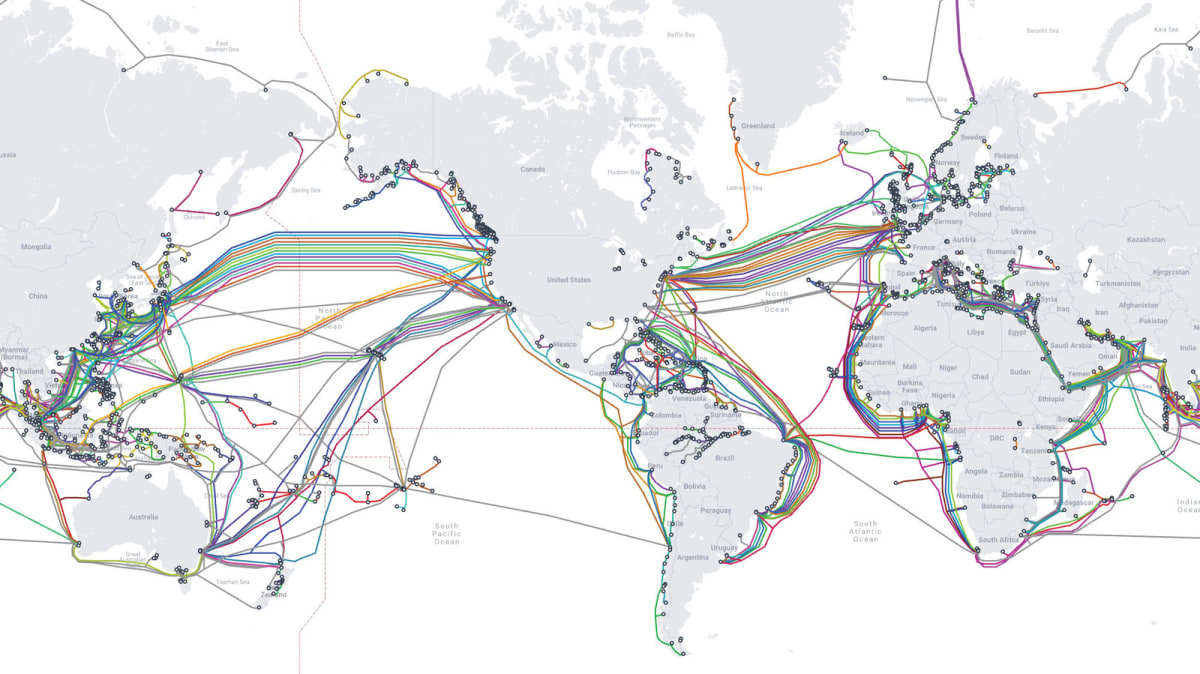
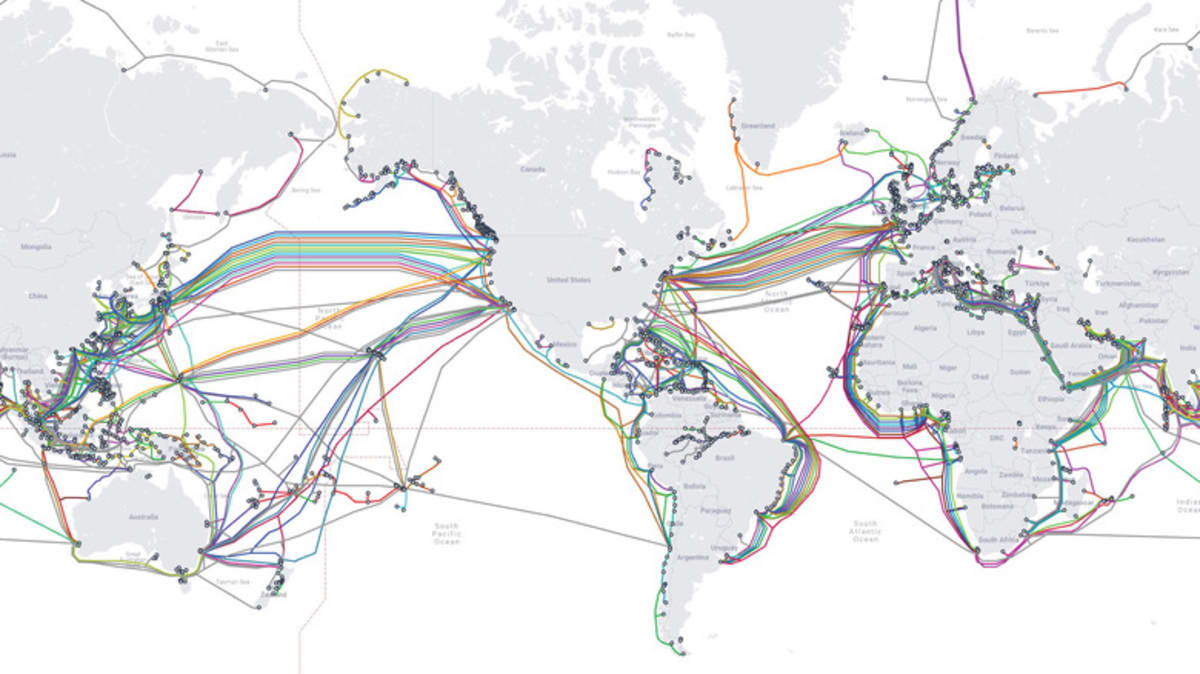
About 99 percent of international internet traffic travels through undersea cables. These remarkable engineering feats keep our world connected in ways most of us never think about.
More than 500 cables currently sit on ocean floors worldwide. Laid end to end, they would stretch over a million miles and wrap around Earth multiple times.
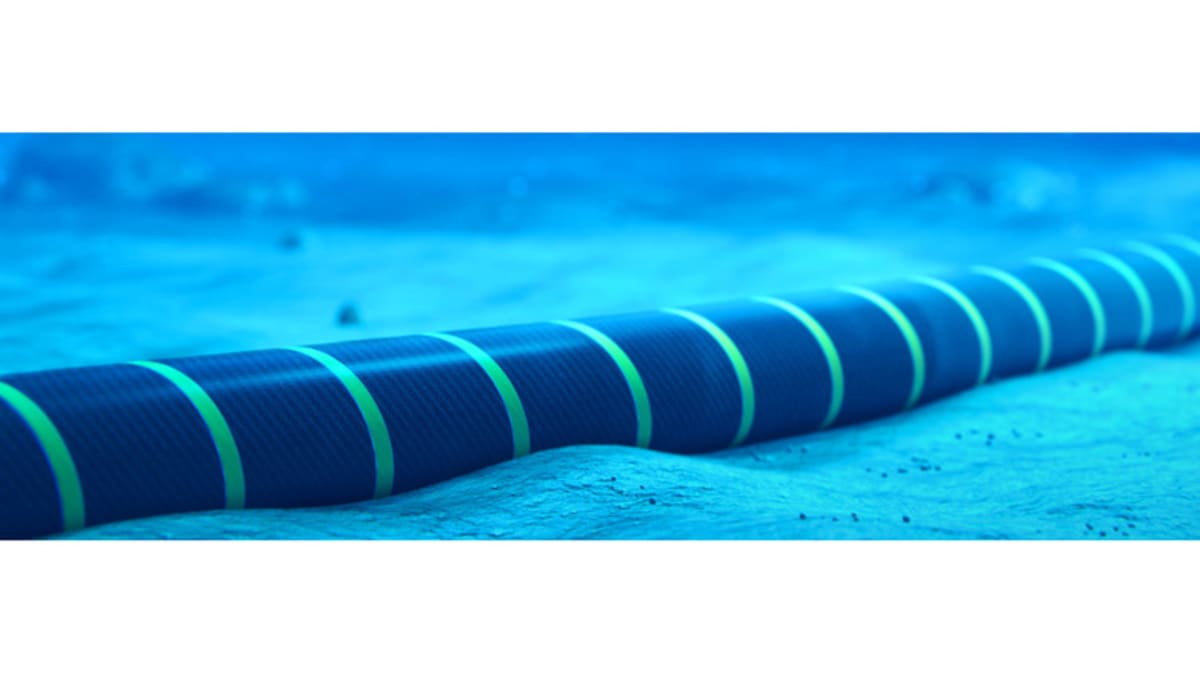
Each cable is roughly as thick as a garden hose, but inside are glass fibers no thicker than a human hair. Lasers send billions of coded light pulses through these fibers every second, carrying everything from work emails to video calls between continents.
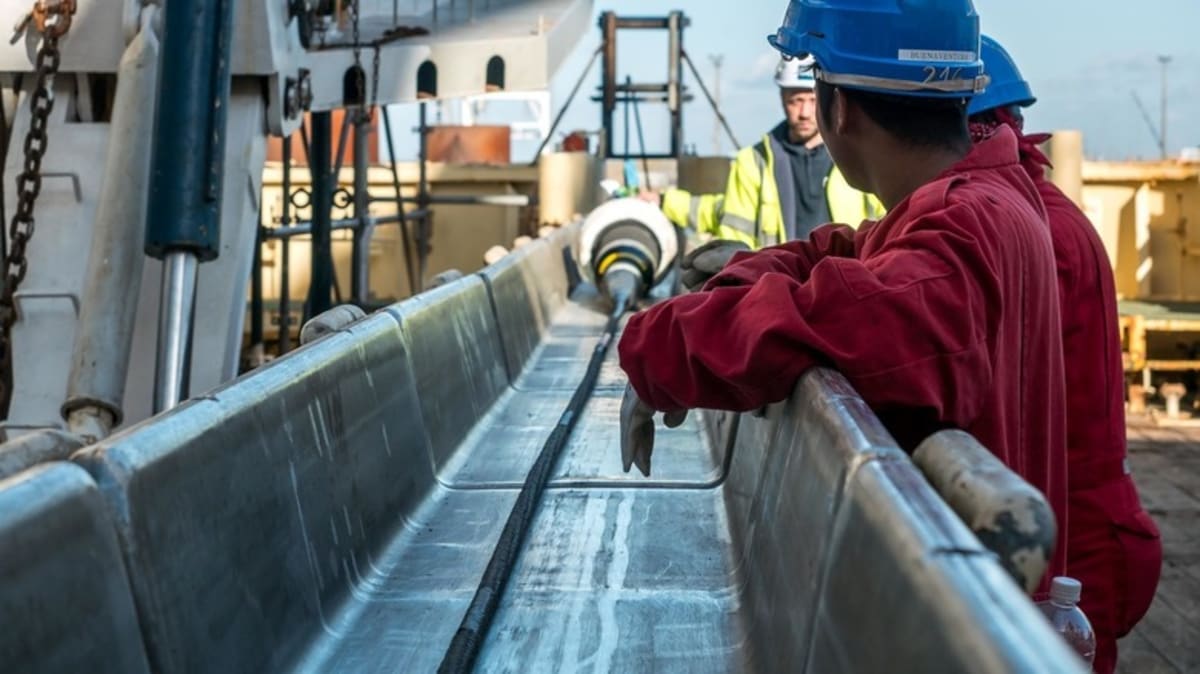
Getting these cables into place takes remarkable patience. Engineers first chart routes that avoid underwater obstacles, then workers spend about a month spooling the cable onto ships.
The ships then crawl across the ocean at just 6 miles per hour, about the speed of a light jog. Crews can spend months at sea, slowly feeding cable through openings at the ship's stern.
If rough weather hits, workers cut the line, attach it to a buoy, and wait out the storm elsewhere. When conditions improve, they retrieve the cable, splice it back together, and continue their journey.
This year, workers pulled up TAT-8, the very first transatlantic fiber-optic cable, after 38 years on the ocean floor. It had sat unused since 2002, when a fault made repairs too expensive.
The cables face constant challenges. The UN reports 150 to 200 cable incidents each year, with 80 percent caused by ship anchors or fishing equipment.
Most regions have backup cables to handle outages. But in 2022, the island nation of Tonga lost all internet access for over a month when a volcano eruption damaged its only cable.
The Ripple Effect
These cables represent one of humanity's most ambitious infrastructure projects. They quietly enable global collaboration, connect families across continents, and make remote work possible for millions.
The TAT-8 recovery shows how the industry is maturing. Workers retrieved valuable copper for recycling and freed up space for newer, faster cables that will serve the next generation.
Each cable can move hundreds of terabits of data per second, and new ones are constantly being laid. The average lifespan is 25 years, meaning teams are always planning decades ahead to keep the world connected.
These humble cables lying in ocean depths make our hyperconnected world possible, one light pulse at a time.
More Images

Based on reporting by Engadget
This story was written by BrightWire based on verified news reports.
Spread the positivity!
Share this good news with someone who needs it