AI System Uses 'Daydreaming' to Remember Like a Brain
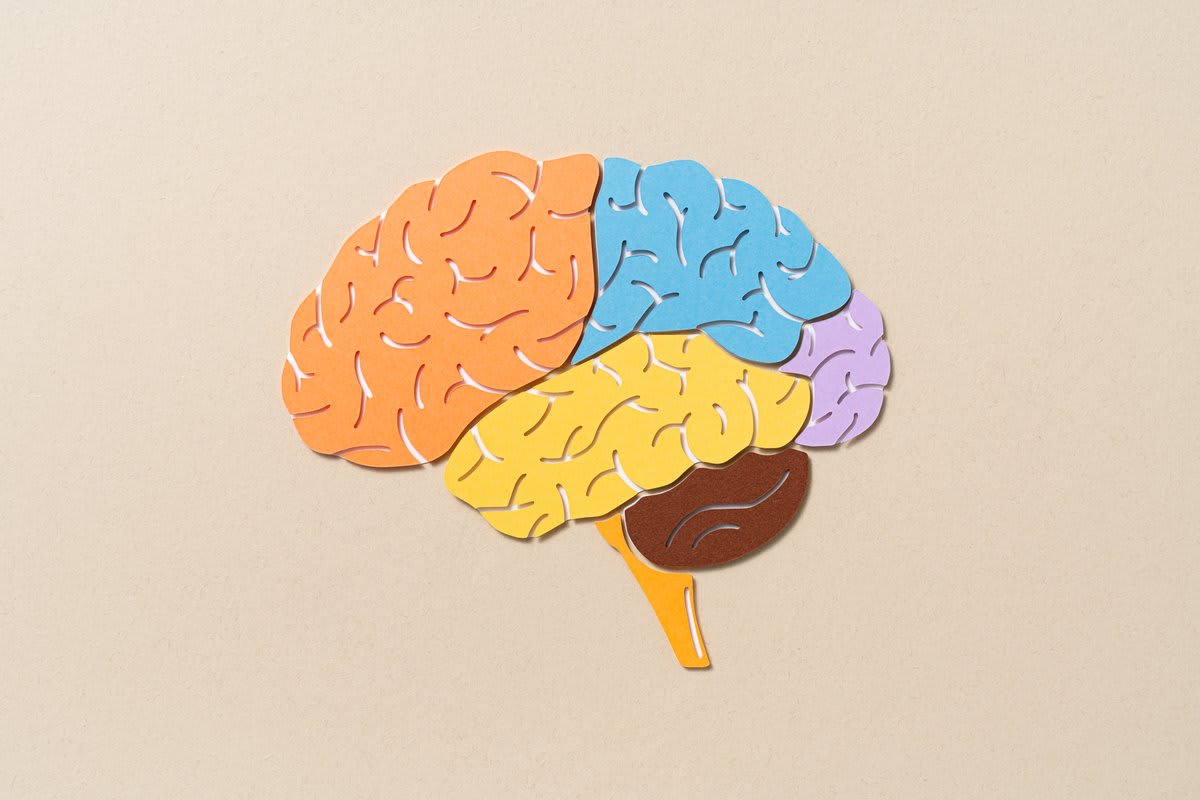
Scientists developed a brain-inspired AI that uses a sleep-like process called "daydreaming" to store memories without forgetting them. The breakthrough works on messy real-world data that previously broke similar systems.
An AI system that mimics how our brains dream is changing how machines remember things.
Researchers at Tohoku University in Japan upgraded a memory algorithm called Daydreaming that lets neural networks store and recall information just like biological brains do. The system now handles lopsided, messy data that trips up traditional AI, maintaining near-perfect recall where earlier methods failed completely.
The breakthrough matters because almost no real-world data is evenly balanced. Photos are mostly bright sky or dark shadow, medical images have patterns that cluster together, and everyday information is naturally skewed.
The system uses something called a Hopfield network, one of the oldest models of how brains might hold memories. It works with simple units that flip on or off and pull each other toward familiar patterns, storing each memory like a ball at the bottom of a basin.
Traditional versions could only store about 14 memories for every 100 neurons before breaking down. When researchers tried cramming in more, the networks created phantom memories that felt real but were completely false.
That's where dreaming comes in. During an offline phase, the network runs through random patterns, finds its false memories, and weakens them while strengthening real ones.
"We combined daytime learning with the cleaning and consolidation phase of sleep, as if we were also dreaming during the day," said Federico Ricci-Tersenghi, a physicist at Sapienza University of Rome who worked on the earlier version.
The newest upgrade solves a problem that plagued the 2025 version. Instead of storing raw values, the system now focuses on how each piece of information differs from the average across all memories.
"If, instead, we work only on what changes relative to the average face, the differences emerge clearly," Ricci-Tersenghi explained. Stripping out the shared background leaves only the distinctive part of each pattern, which is exactly what recall needs to keep memories separate.
Why This Inspires
The system learns locally, touching only pairs of connected units rather than the whole network at once. That makes it much more realistic for how actual neurons might work in our own brains.
The network can now store nearly one memory per neuron, close to the theoretical limit, and it does so without any hand-tuning. A single fixed setting works across different types of data.
As researchers cranked up the imbalance in test data from even to heavily skewed, the new version maintained the same tolerance for noise throughout. It reconstructed complete memories from rough starting points that defeated older approaches entirely.
The secret lies in how the internal wiring spreads its influence across many more directions than older systems, creating a kind of pecking order that helps recall lean on the most powerful signals first.
Understanding how these brain-inspired models separate signal from noise could help build artificial intelligence that's easier to interpret and lighter on energy. The research proves that taking inspiration from how our own brains dream and remember can lead to smarter, more resilient machines.
Based on reporting by Google News - AI Breakthrough
This story was written by BrightWire based on verified news reports.
Spread the positivity!
Share this good news with someone who needs it