500 Tiny Skinks Get Fresh Start on Predator-Free Island
Blue-tailed skinks once hunted to just 66 survivors by invasive snakes are now thriving on a new island home. The species could grow from near extinction to hundreds of thousands strong.
A tiny lizard with a brilliant blue tail just got a second chance at survival, and the turnaround is nothing short of remarkable.
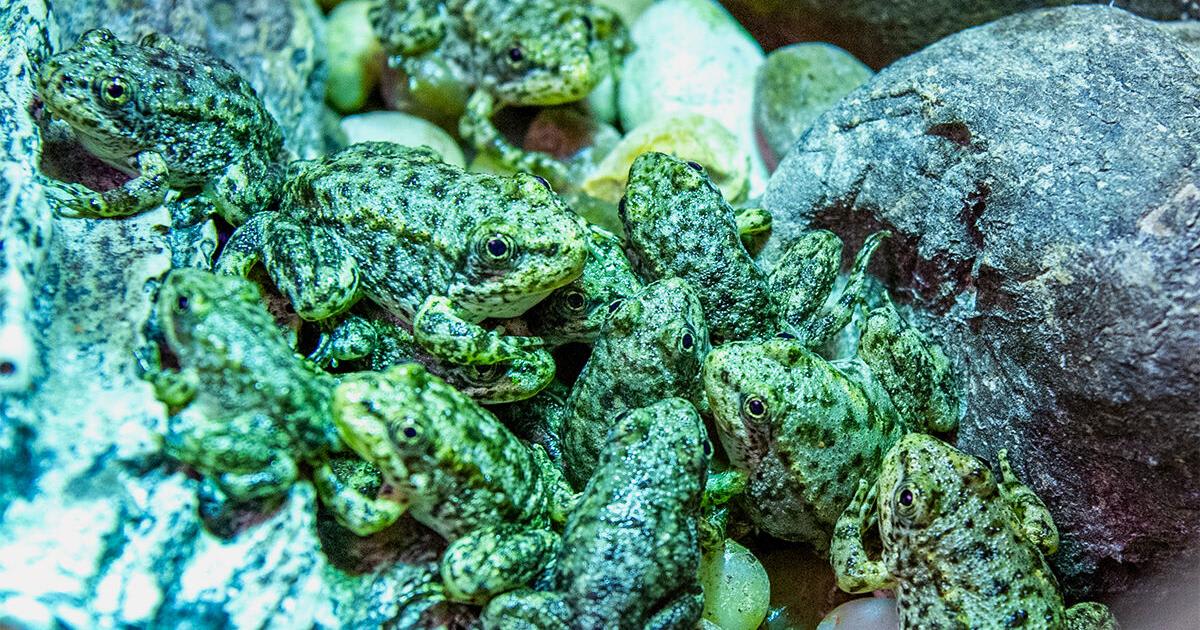
More than 500 blue-tailed skinks were released on Horsburgh Island in the Cocos (Keeling) Islands this July, marking a stunning comeback for a species that nearly vanished forever. Just 17 years ago, invasive wolf snakes on Christmas Island had hunted these 10-centimeter lizards so relentlessly that only one small population remained clinging to survival.
By 2009, researchers found just 66 blue-tailed skinks left in the wild. Extinction seemed inevitable as the South-east Asian wolf snakes continued their devastating hunt across Christmas Island, located 2,900 kilometers northwest of Perth.
Parks Australia acted fast, capturing those last survivors and launching an urgent breeding program. The gamble paid off spectacularly. Those 66 skinks multiplied to 400, then provided the foundation for relocations to two smaller predator-free islands in 2019 and 2020.
Each of those islands now hosts thriving populations of around 5,000 skinks. Horsburgh Island, the newest home, is 50 times larger than the previous sites and could support hundreds of thousands of lizards.
Christmas Island locals still remember when blue-tailed skinks were everywhere, their bright tails flashing across gardens and trails. "They were very well described with their bright blue tails," said Parks Australia coordinator Shayla Stefanetti, noting how residents noticed when they disappeared.
The skinks traveled to their new home in special containers by air and sea. Researchers carefully chose Horsburgh Island for its size and complete absence of the predators that devastated their original habitat.
The Ripple Effect
This rescue represents more than saving one small lizard. The project shows how quick action and dedicated conservation can pull species back from the brink of extinction. From 66 survivors to potentially hundreds of thousands demonstrates what's possible when scientists refuse to give up.
The wolf snakes remain on Christmas Island with no viable control methods yet available, so the skinks cannot return home. But their new island homes offer something better: safety, space, and the chance to flourish without fear.
Threatened species manager Brendan Tiernan called the transformation "huge" for both the species and the national park. Going from extinct in the wild to flourishing populations represents a milestone few conservation efforts achieve.
The bright blue tails are flashing across island shores again, a living reminder that extinction doesn't have to be the final chapter.
More Images


Based on reporting by ABC Australia
This story was written by BrightWire based on verified news reports.
Spread the positivity!
Share this good news with someone who needs it