%2Ffile%2Fattachments%2F2997%2F14300024_667918.jpg)
500-Year-Old Aztec Codex Returns Home to Mexico
A priceless manuscript depicting the rise and fall of the Aztec empire is back in Mexico for the first time in 184 years. The Azcatitlan Codex, on loan from France, reconnects modern Mexicans with their Indigenous heritage.
After nearly two centuries abroad, a rare window into Aztec civilization has finally come home.
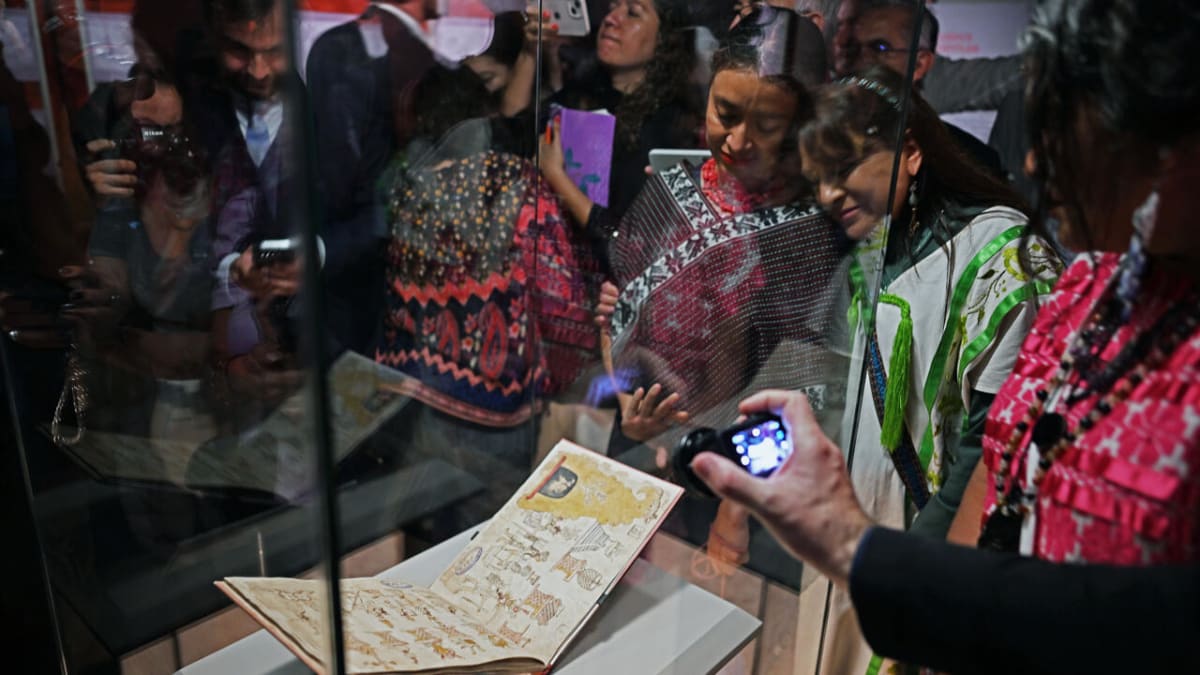
The Azcatitlan Codex, a 16th-century manuscript created by an Indigenous Otomi craftsman, arrived in Mexico City this September on loan from France's National Library. The artifact hasn't touched Mexican soil since 1840.
This isn't just an old book. The codex tells the complete story of the Mexica people through stunning pictograms blended with European writing, from their mythical origins in Aztlan to the founding of their grand capital Tenochtitlan, now Mexico City.
It documents the succession of Aztec rulers and captures a civilization's final chapter when Spanish conquistadores arrived. The manuscript survived what the empire could not: the 1521 fall of Tenochtitlan to Hernan Cortes, who looted and destroyed the city.
France and Mexico arranged the exchange to celebrate 200 years of diplomatic friendship. Mexico will loan France the Codex Boturini in return, creating a cultural bridge between the nations.
Why This Inspires
For descendants of the Mexica peoples, seeing the codex feels like welcoming an ancestor home. Maria Eugenia Castañeda, a Mexica representative, explained that these manuscripts give her community identity and elevate their morale during challenging times.
The codex proves that Indigenous knowledge systems were sophisticated and worthy of preservation. By combining Mesoamerican and European artistic traditions, the unknown Otomi artist created something that transcended cultural boundaries.
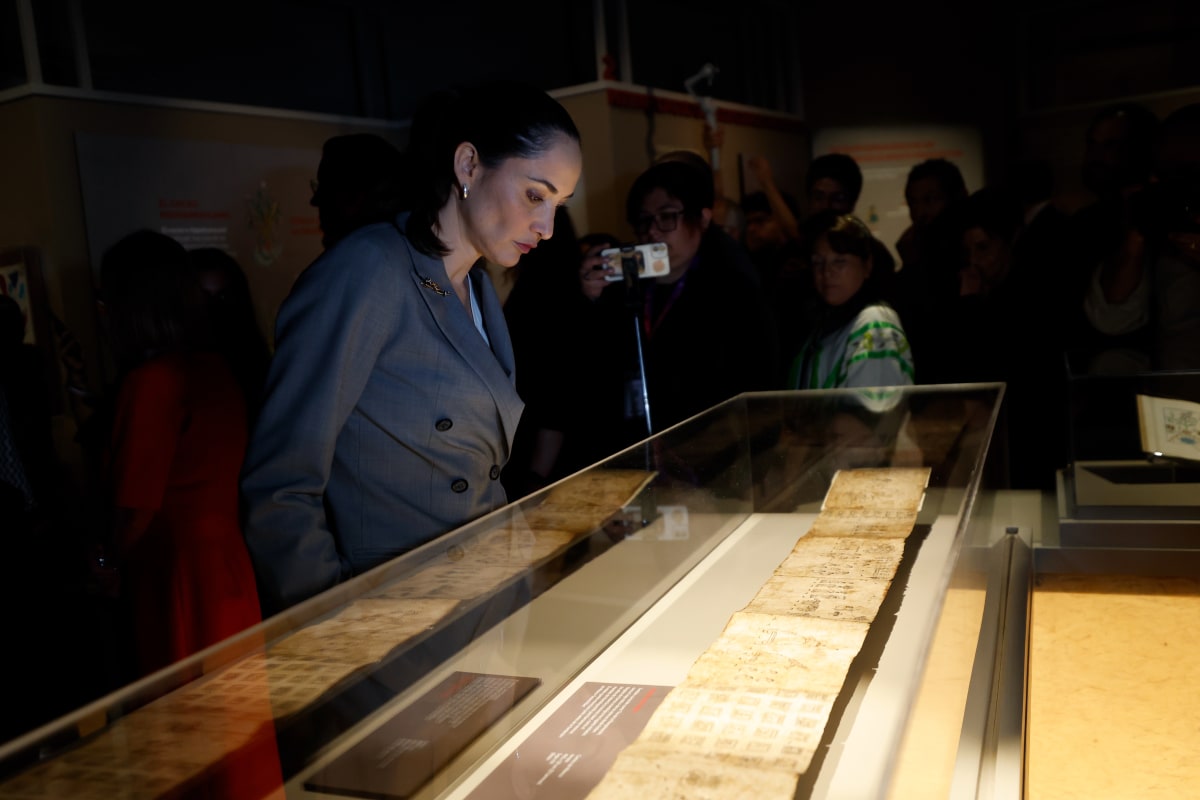
Thousands are visiting Mexico City's National Museum of Anthropology to see the manuscript before it returns to France in December. Many stand silently before the pages, tracing the pictograms with their eyes, reconnecting with stories their ancestors knew.
Historians like Maria Castañeda de la Paz from Mexico's National Autonomous University continue studying the codex, uncovering new details about pre-colonial life. Each viewing teaches something forgotten.
The temporary homecoming reminds us that cultural heritage belongs to the people whose stories it tells, even when distance separates them.
More Images
Based on reporting by Daily Maverick
This story was written by BrightWire based on verified news reports.
Spread the positivity!
Share this good news with someone who needs it