50,000 Humpback Whales Return to Great Barrier Reef
Australia's humpback whale population has surged from 500 survivors of industrial whaling to 50,000 today, creating one of the world's greatest conservation comebacks. Now the real challenge begins: helping humans and whales share these busy waters safely.
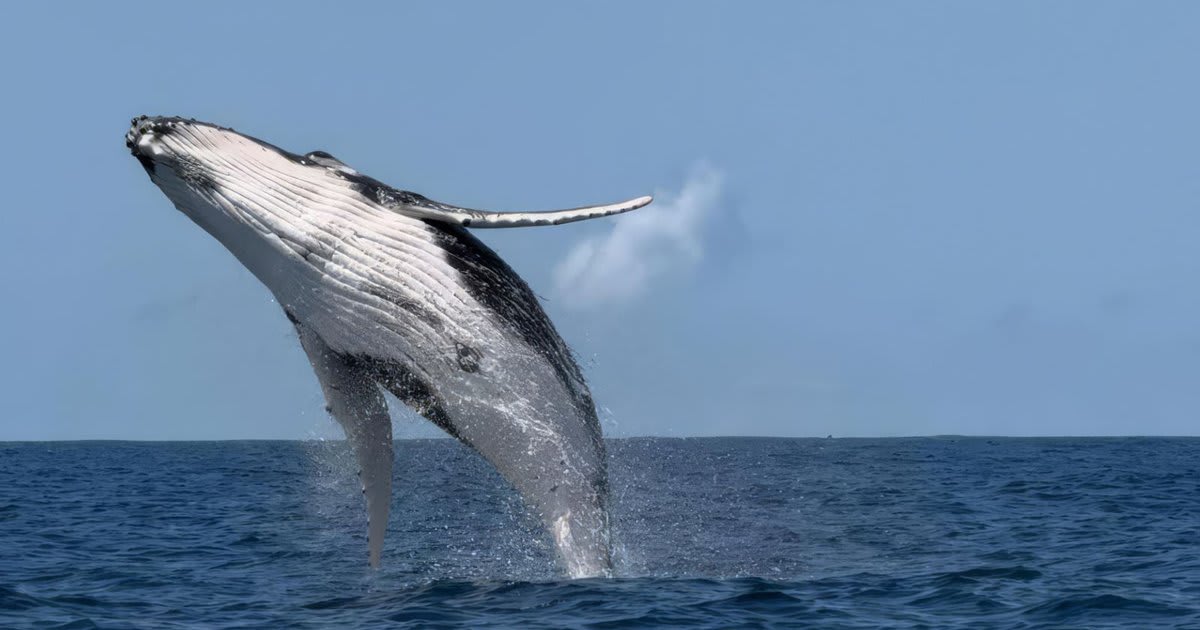
When 40 tons of whale launches itself out of the water off Queensland's coast, you're watching one of conservation's greatest success stories play out in real time.
Humpback whales are flooding back to the Great Barrier Reef. Six decades ago, industrial whaling had slashed Australia's east coast population to just 500 desperate survivors. Today, around 50,000 humpbacks migrate through these waters annually, breaching, tail-slapping, and raising their calves in the same ocean that nearly lost them forever.
Dr. Roger Beeden, Chief Scientist at the Great Barrier Reef Marine Park Authority, calls it "one of the great wildlife recovery stories." The numbers tell an astonishing tale: from near extinction to a population that could peak at 60,000 whales as soon as this year.
But success brings unexpected homework. More whales now share waters crowded with commercial ships, tourism boats, recreational sailors, and swimmers. Reports of people unlawfully swimming with or disturbing whales jumped sixfold last season, from two incidents in 2024 to 12 in 2025.
Social media hasn't helped. Close encounters captured on video and shared online can encourage others to get dangerously near these magnificent animals, putting both species at risk.
The whales aren't just a conservation win. They're an economic powerhouse. In 2025 alone, nearly 650,000 domestic visitors went whale watching in Queensland, contributing almost $670 million to the state economy. Another 310,000 international visitors joined whale watching tours across Australia.
The Ripple Effect
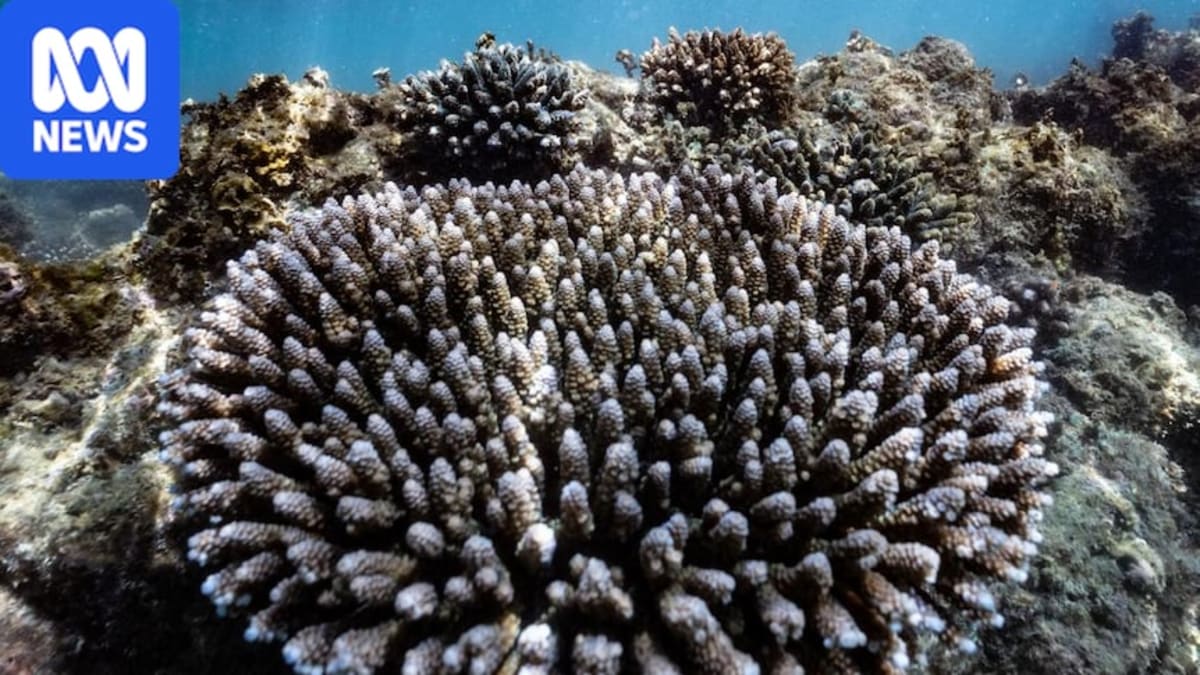
The humpback comeback reminds us that coral reefs don't exist in isolation. The Great Barrier Reef Marine Park protects an interconnected web of coral gardens, seagrass meadows, islands, and the extraordinary animals depending on them.
Female humpbacks mate face to face, hugging with their 5-meter flippers. They travel up to 10,000 kilometers from Antarctica to give birth in Queensland's warm waters. Mother whales produce up to 600 liters of toothpaste-thick milk daily to feed their calves. Male humpbacks sing complex songs that travel 50 kilometers underwater.
These intimate details matter because they reveal what we're protecting. Every breach, every song, every calf born represents resilience on a species-wide scale.
"The return of the humpback shows what conservation can achieve," Beeden says. Finding the right balance between experiencing these animals and giving them space is now Queensland's defining conservation challenge.
Tour operators, recreational boaters, and swimmers are learning new rules of coexistence. Keep your distance. Don't chase or corner whales. Let them control the encounter. Simple guidelines that could determine whether this success story continues for another 60 years.
The whales did their part by surviving and coming back; now it's our turn to welcome them home properly.
Based on reporting by Google News - Wildlife Recovery
This story was written by BrightWire based on verified news reports.
Spread the positivity!
Share this good news with someone who needs it