Indigenous Rangers Map NT Reef, Find New Coral Species
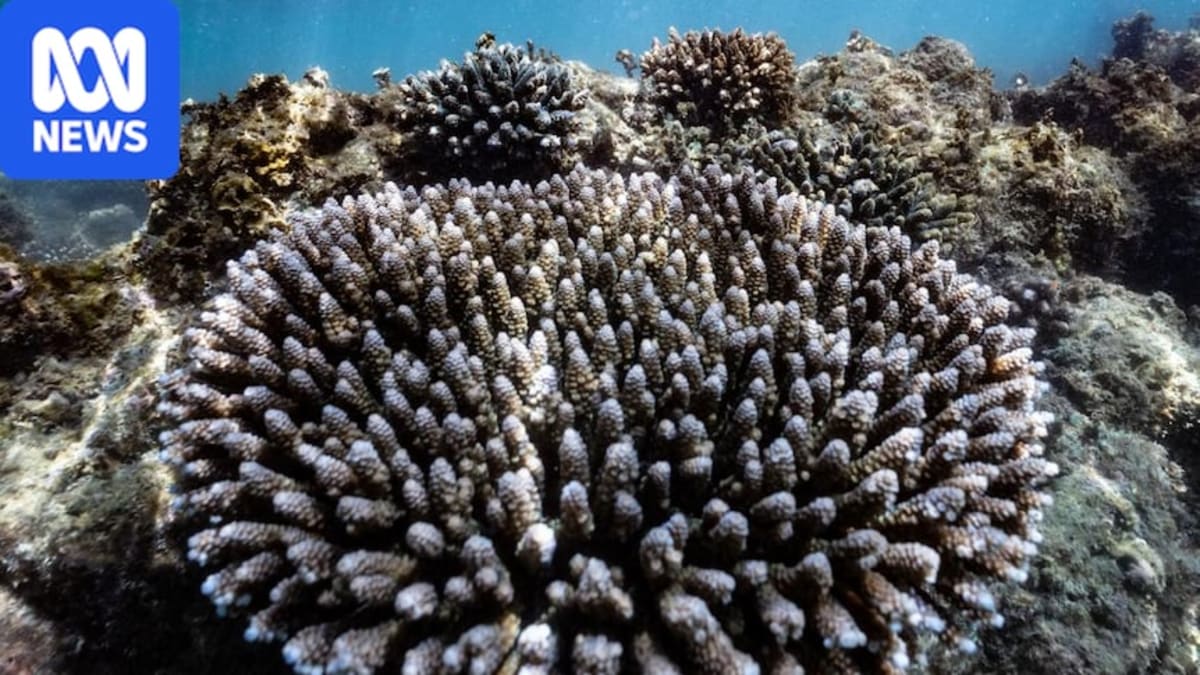
When cutting-edge technology failed to predict coral bleaching, Indigenous rangers in Australia's Northern Territory trusted their eyes and made scientific history. Their partnership with researchers not only confirmed the bleaching event but also discovered potentially new coral species.
Indigenous rangers in Australia's Northern Territory noticed something wrong with their coral reefs in 2024, and their observations just rewrote the rulebook on reef monitoring.
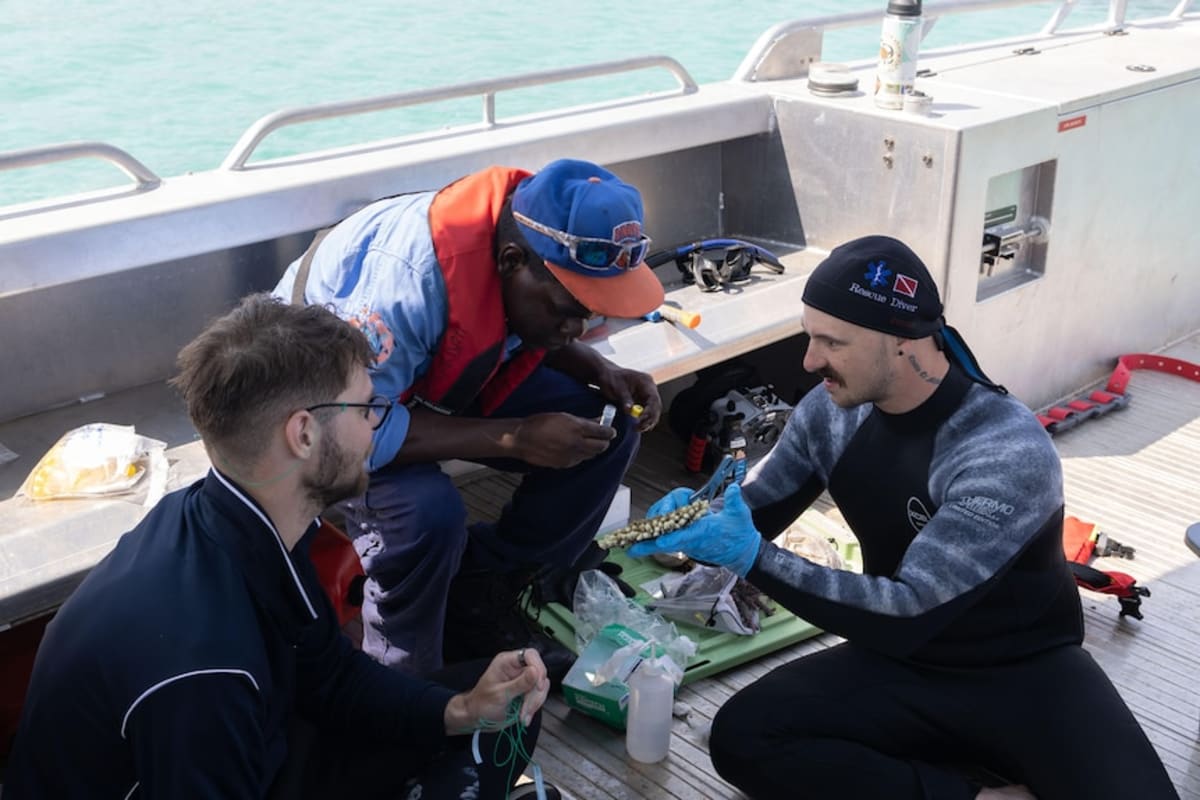
The Anindilyakwa Land and Sea Rangers spotted coral losing color off Groote Eylandt's coast and raised the alarm with University of Technology Sydney researchers. What happened next became the first complete mapping of this remote reef system in history.
Here's what makes this remarkable: global predictive models completely missed the bleaching event. These high-tech systems are designed to warn scientists when warming waters threaten coral, but they failed to flag Groote Eylandt despite elevated temperatures causing real damage.
"Only by having connections on the ground were we able to see why that was happening," said UTS researcher Emma Camp. The discovery revealed a crucial gap in our reef protection technology and proved the irreplaceable value of local knowledge.
The rangers didn't stop at documenting bleaching. Working alongside researchers, they navigated crocodile-infested waters, dodged venomous jellyfish, and braved cyclone season to survey every corner of their sea country.
Their dedication paid off spectacularly. The team catalogued several unrecognized coral species that researchers believe may be entirely new to science.
"I'm almost certain there's a few that haven't been found before," said Kirsten Eden from the Anindilyakwa Land Council. The discoveries are now undergoing formal identification, and traditional owners will have the honor of naming any confirmed new species in their native language.
Why This Inspires
This project flips the usual script on scientific research. Instead of outside experts arriving with technology to study remote communities, Indigenous rangers drove the entire effort using their intimate knowledge of local ecosystems. Their observations didn't just complement the science; they made the science possible when sophisticated predictive models fell short.
The research also established a permanent baseline for monitoring the reef's health going forward. Future scientists can now track changes over time and better understand how these northern reefs respond to warming oceans and severe weather.
Beyond Groote Eylandt, the work offers a blueprint for other Indigenous ranger groups protecting Australia's vast coastline. It proves that combining traditional stewardship with modern research methods creates something more powerful than either approach alone.
The rangers are already sharing their methods with other Indigenous land management groups across Australia's remote regions, multiplying the project's impact across thousands of miles of coastline that rarely see scientific attention.
More Images



Based on reporting by ABC Australia
This story was written by BrightWire based on verified news reports.
Spread the positivity!
Share this good news with someone who needs it