512-Million-Year-Old Ecosystem Discovered in China
Scientists in China have uncovered 8,681 fossils from 153 species at a stunning new site, with nearly 60% never seen before. The discovery offers a rare window into ocean life after Earth's first mass extinction.
Scientists have struck fossil gold in the mountains of southern China, uncovering an extraordinary underwater ecosystem frozen in time for 512 million years.
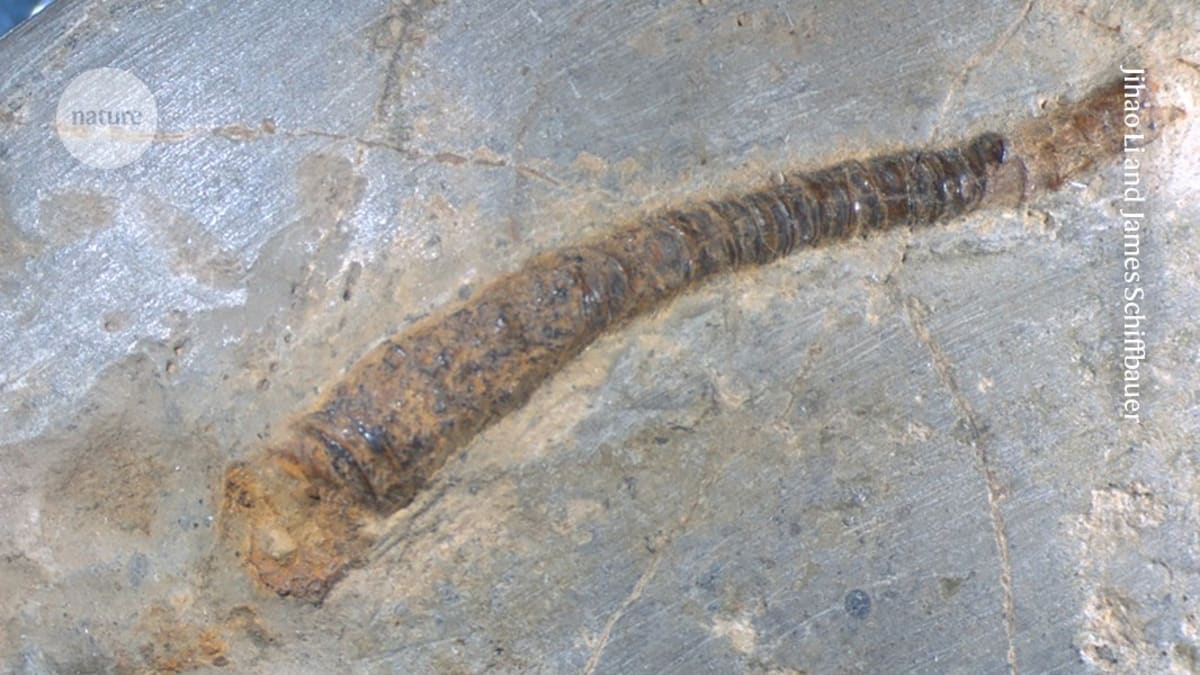
Since 2021, researchers led by Han Zeng at the Nanjing Institute of Geology and Palaeontology have carefully excavated 8,681 fossils from a quarry in Hunan Province. The collection includes 153 different species, and nearly 60% of them are completely new to science.
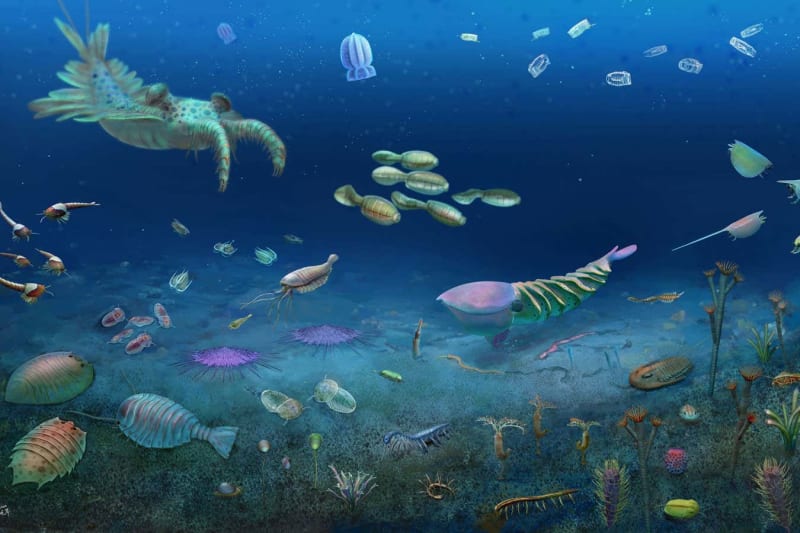
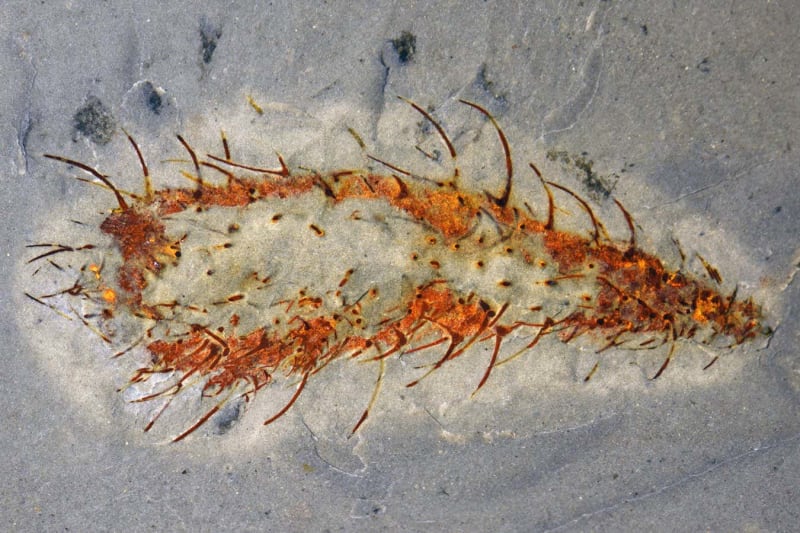
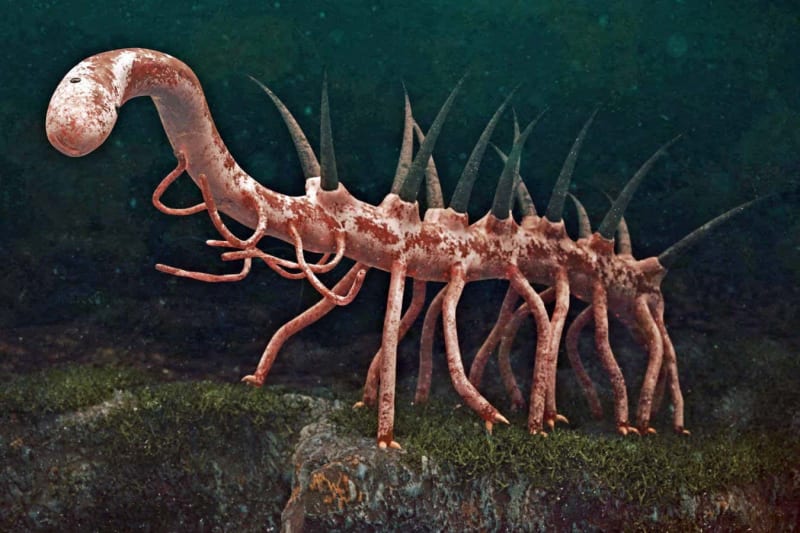
The team calls this ancient ecosystem the Huayuan biota, and experts say it rivals Canada's famous Burgess Shale as one of the most important fossil sites ever discovered. What makes it special isn't just the number of species but the incredible detail preserved in the rocks.
The fossils capture life shortly after the Sinsk event, a mass extinction that wiped out many shallow water creatures around 513 million years ago when ocean oxygen levels plummeted. These deep ocean animals survived because they lived at the edge of the continental shelf, away from the devastation.
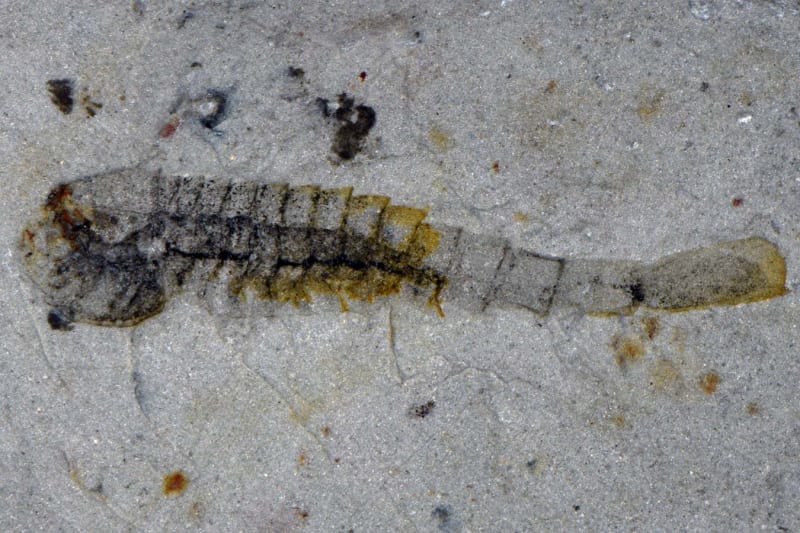
Most of the fossils are arthropods, ancient relatives of today's insects and crustaceans. But the site also preserves molluscs, jellyfish relatives, and shelled creatures called brachiopods. The largest predator was an 80-centimeter-long arthropod named Guanshancaris kunmingensis that ruled the ecosystem.
The preservation is stunning. Scientists can see walking legs, antennae, gills, guts, eyes, and even neural tissues. The animals were buried quickly under fine mud, creating perfect conditions to preserve even the softest body parts.
One surprising find connects ancient oceans across the globe. Two species previously found only in Canada's Burgess Shale have now turned up in China, halfway around the world. This suggests that baby animals traveled vast distances on ocean currents, spreading life across the ancient seas.
Why This Inspires
This discovery reminds us that Earth has always been resilient. After catastrophic extinction events wiped out countless species, life not only survived but found ways to thrive in new environments. The deep ocean became a refuge where diverse communities flourished.
The team hasn't finished sorting through all their finds yet, and new species keep emerging from the rocks. They're still searching for fish fossils, which could reveal even more about this ancient world. Every new discovery helps scientists understand how life recovered and adapted after one of Earth's darkest moments.
The story of the Huayuan biota shows nature's incredible ability to bounce back and evolve in the face of devastation.
More Images
Based on reporting by Google: fossil discovery
This story was written by BrightWire based on verified news reports.
Spread the positivity!
Share this good news with someone who needs it