How India's Fish Balance Salt and Water to Survive
From freshwater ponds to the Arabian Sea, fish across India have evolved remarkable biological systems to maintain perfect water and salt balance in their bodies. The science behind osmoregulation explains how a rohu thrives in a Bengal pond while mackerel survive salty ocean waters.
A rohu swimming in a freshwater pond and a mackerel gliding through the Arabian Sea face opposite survival challenges, yet both have evolved perfect solutions to the same problem: keeping their bodies balanced.
India's fish live across an extraordinary range of habitats spanning Himalayan rivers, village ponds, coastal lagoons, and nearly 7,500 kilometers of coastline. Survival in these diverse environments depends on a constant biological balancing act called osmoregulation.
The science begins with osmosis, the movement of water across membranes in response to salt concentration differences. Freshwater species like rohu, catla, and mahseer have body fluids saltier than surrounding water, so water naturally flows into their bodies.
To prevent becoming too diluted, these fish drink very little water. Instead, they produce large amounts of dilute urine to remove excess water while specialized gill cells actively absorb essential salts from their environment.
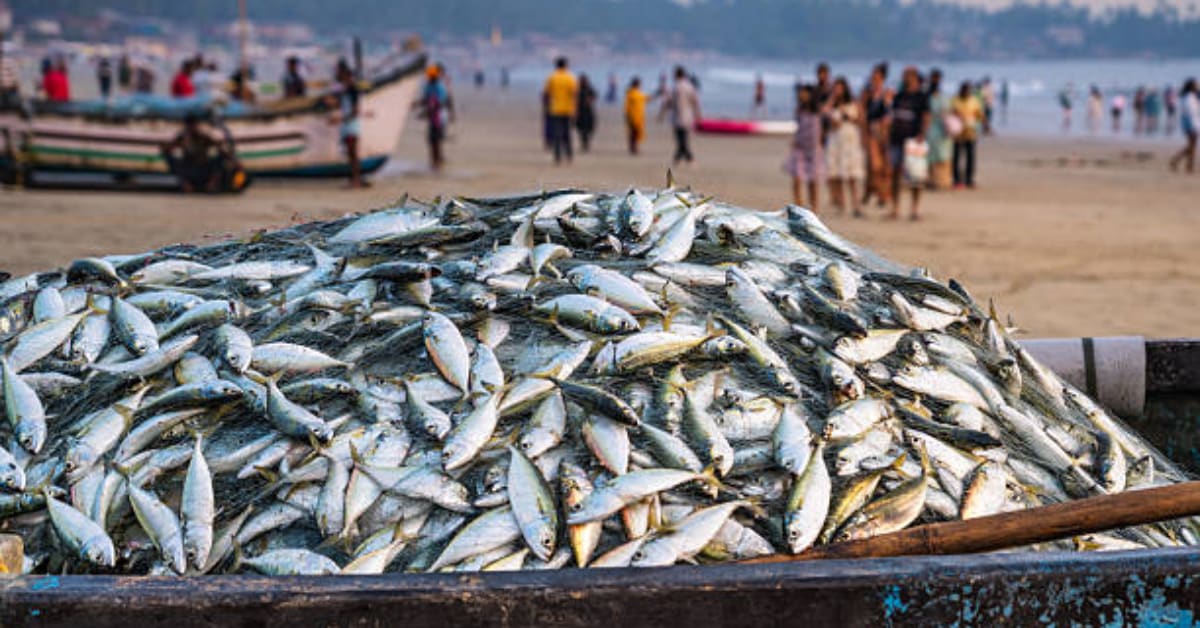
Marine fish face the reverse challenge. Seawater is saltier than the body fluids of species like Indian mackerel, sardines, and pomfrets, causing water to leave their bodies.
These ocean dwellers drink seawater, absorb the water they need, and use their gills and kidneys to remove excess salt. The continuous adjustment keeps their cells functioning properly despite living in water that would dehydrate them.
Some fish navigate both worlds. India's estuaries, mangroves, and backwaters contain brackish water where salinity changes with tides and rainfall.
The hilsa perfectly demonstrates this adaptability. This beloved fish spends most of its life in coastal waters before migrating into freshwater rivers to breed, adjusting its entire salt and water regulation system during the journey.
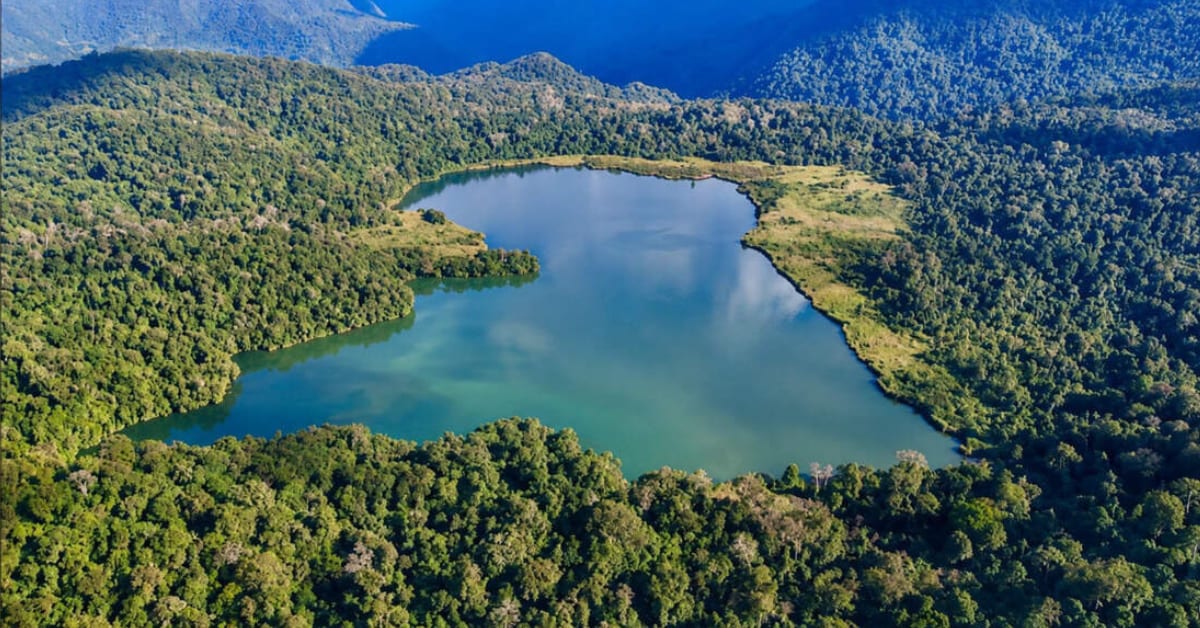
Places like Chilika Lagoon in Odisha, Kerala's backwaters, and the Sundarbans support fish that must cope with constantly changing water chemistry. These transition zones matter enormously for biodiversity and the fishing communities whose livelihoods depend on them.
Why This Inspires
Understanding how fish adapt to different environments connects science to cultural identity across India. The Bengali rui, Maharashtra's bangda, and Kerala's mathi each represent not just biological marvels but also regional food traditions and coastal livelihoods.
Freshwater aquaculture has made species like rohu widely available in inland markets. Recent efforts to replenish indigenous fish populations in rivers now connect conservation science with supporting fishing communities, ensuring these remarkable creatures continue thriving in India's diverse waters.
The next time you see fish at a market, remember the invisible biological systems working constantly to keep them alive in waters ranging from mountain streams to open ocean.
More Images
%2Fenglish-betterindia%2Fmedia%2Fmedia_files%2F2026%2F08%2F26%2Ffood-5-2026-08-26-09-07-01.png)
%2Ffilters%3Aformat(webp)%2Fenglish-betterindia%2Fmedia%2Fmedia_files%2F2026%2F08%2F26%2Ffood-6-2026-08-26-09-09-03.png)
%2Ffilters%3Aformat(webp)%2Fenglish-betterindia%2Fmedia%2Fmedia_files%2F2026%2F08%2F26%2Ffood-7-2026-08-26-09-10-42.png)
Based on reporting by The Better India
This story was written by BrightWire based on verified news reports.
Spread the positivity!
Share this good news with someone who needs it