82 Zebra Sharks Rewilded in World's First Shark Release
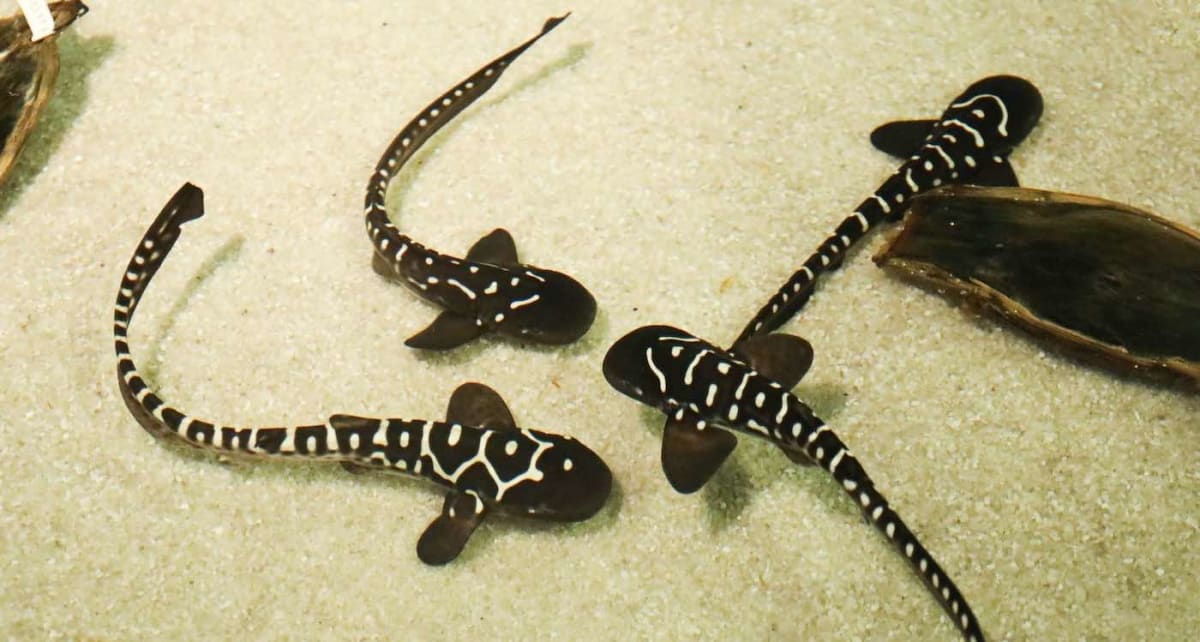
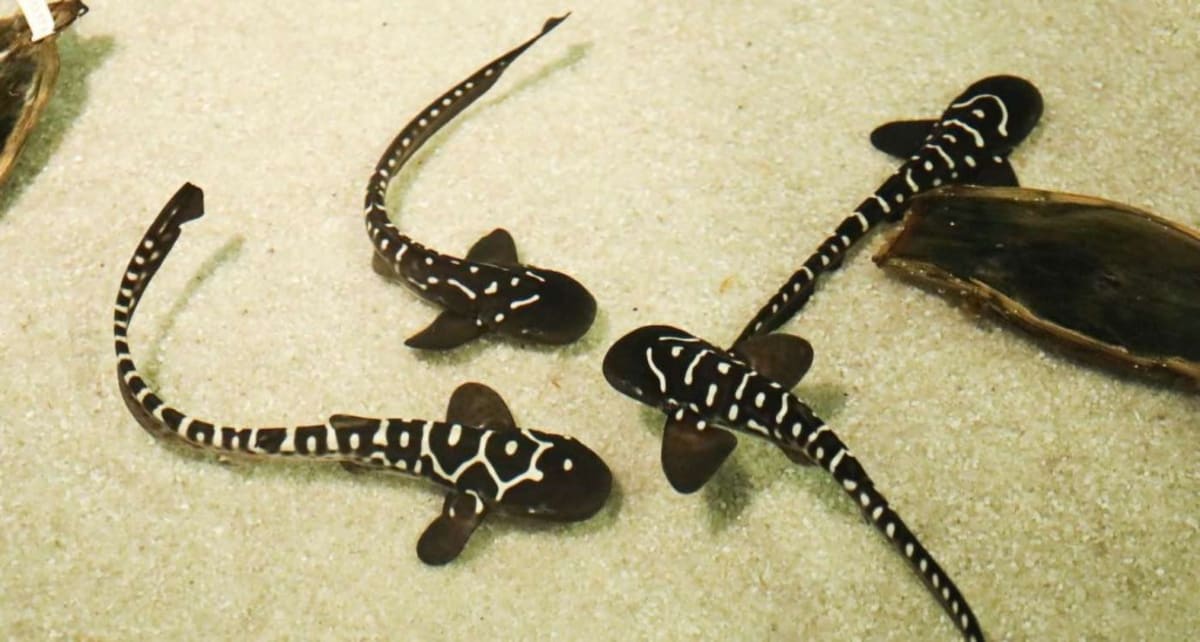
An international team of 60 aquariums across 15 countries just pulled off something never done before: rewilding sharks. Eighty-two zebra shark pups, raised in captivity and released into Indonesian waters, are now thriving in the wild.
In the waters off Raja Ampat, Indonesia, zebra sharks were nearly gone. Overfishing for their fins had driven these striped bottom dwellers to the brink, with only 20 adults remaining by 2019.
Then 60 aquariums in 15 countries decided to try something radical. They launched ReShark, the world's first captive breeding and release program for sharks.
Three years of preparation later, the results are swimming free. Eighty-two shark pups, hatched and raised in aquariums worldwide, now patrol a 17,760 square mile marine sanctuary in Indonesia.
The program started with a simple problem: too many eggs. When ReShark's executive director Mark Erdmann visited Singapore's SEA Aquarium, staff told him their zebra sharks were laying so many viable eggs they couldn't keep up.
Erdmann saw an opportunity. Zebra sharks lay eggs, making them perfect candidates for captive breeding, unlike sharks that give birth to live young.
Now aquariums ship viable eggs in special containers to nurseries in Raja Ampat and Phuket, Thailand. There, trained specialists nicknamed "shark nannies" raise the hatchlings until they reach three feet long, then release them into protected waters.
Satellite tags track every move. The data shows the young sharks are foraging successfully and staying within sanctuary boundaries, safe from the illegal fishing that endangered them in the first place.
The Ripple Effect
The real test comes between 2028 and 2035, when these captive-bred sharks reach sexual maturity. If they reproduce in the wild, this method could transform shark conservation worldwide.
Forty-three percent of all shark species lay eggs. That means this approach could help save dozens of endangered shark populations if it succeeds with zebra sharks.
ReShark isn't just releasing animals and hoping for the best. They're working directly with local Thai and Indonesian fishermen, teaching them about the sharks' vulnerability and ecological importance, turning former hunters into conservation allies.
By 2028, researchers will know if these aquarium-born sharks can breed in the wild and rebuild their population from just 20 adults to a thriving community.
More Images
Based on reporting by Good News Network
This story was written by BrightWire based on verified news reports.
Spread the positivity!
Share this good news with someone who needs it