Mobile Hatcheries Saving Caribbean's Endangered Queen Conch
Scientists launched solar-powered mobile labs across the Caribbean to rescue queen conch snails from extinction, turning conservation into a community celebration. Eight hatcheries are now raising thousands of baby conch while teaching locals about ocean restoration.
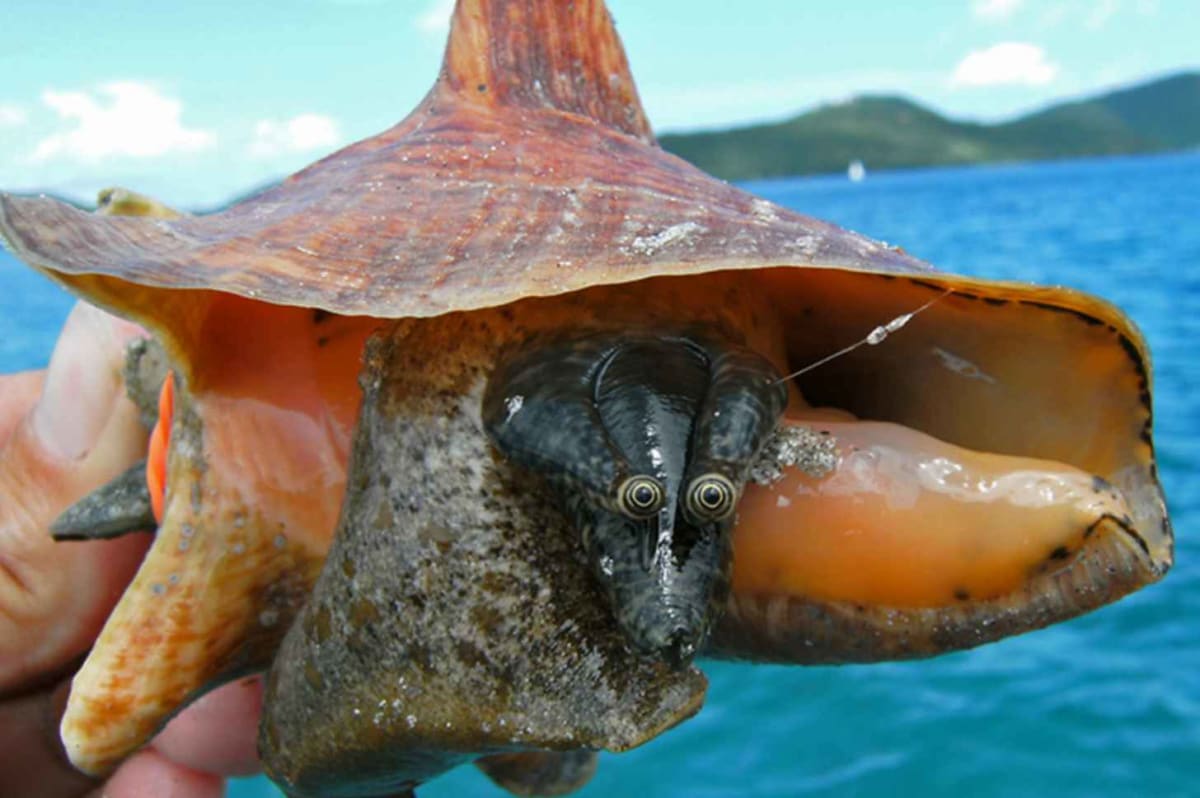
Once upon a time, Caribbean fishers could wade into shallow waters and scoop up armfuls of pink-shelled queen conch snails. Today, overfishing and warming waters have pushed these giant marine snails toward extinction.
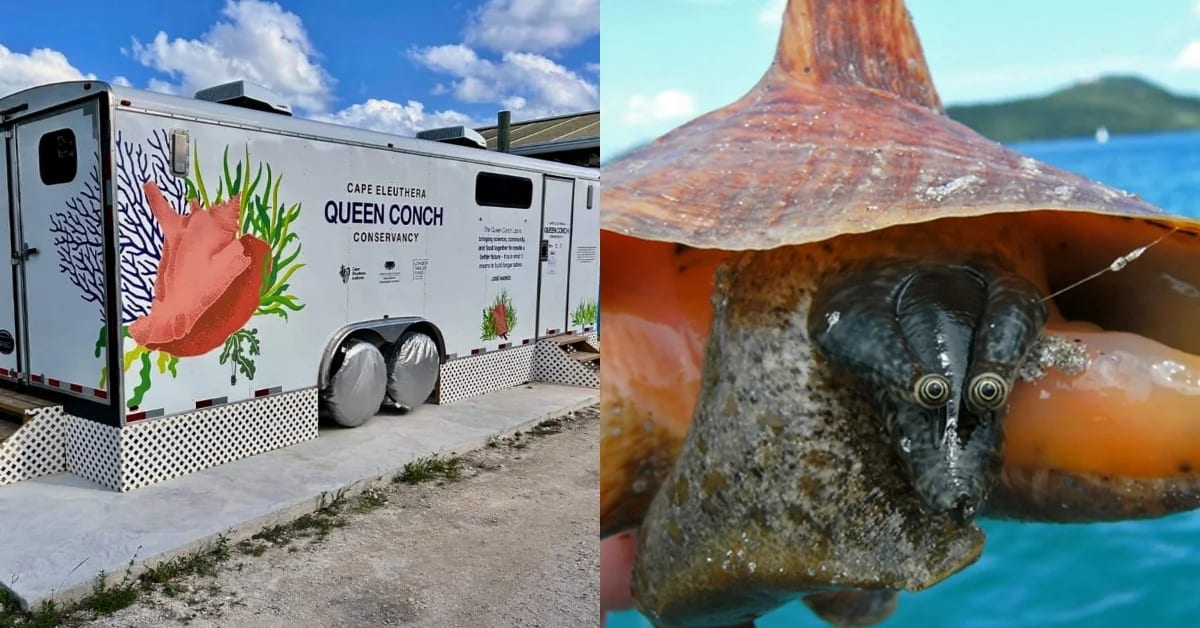
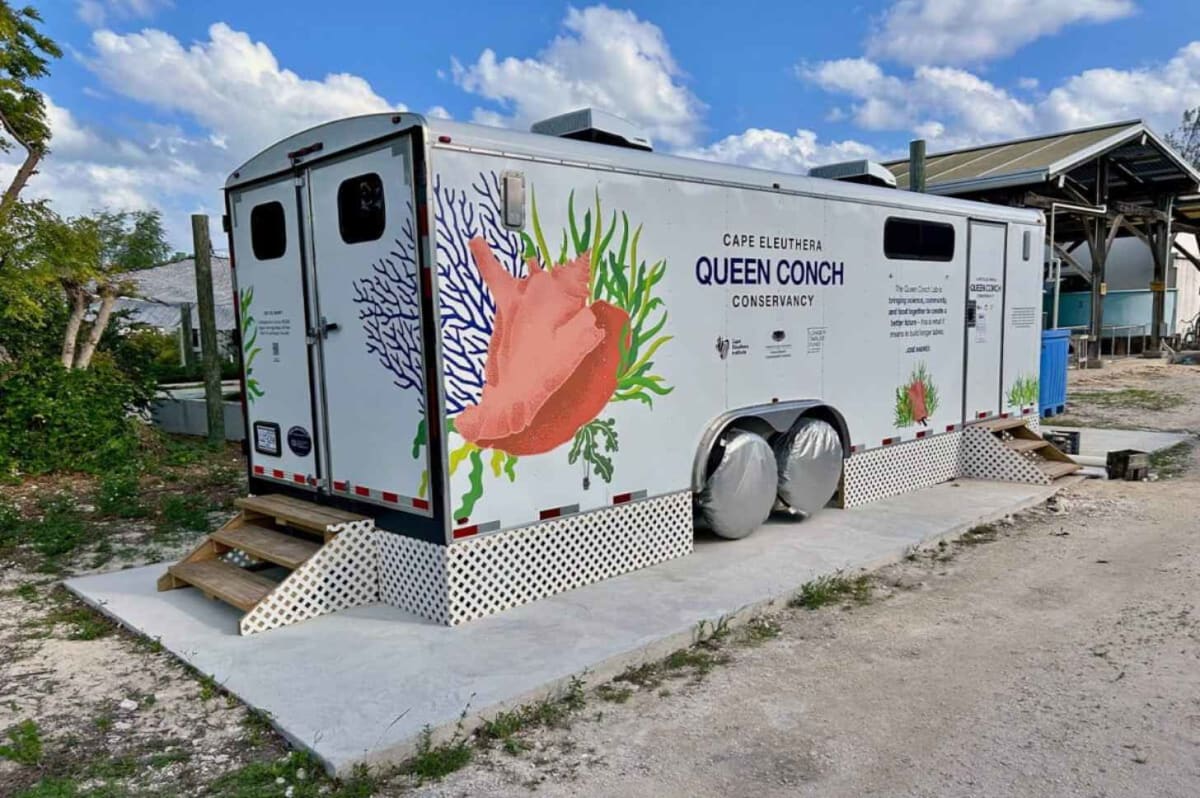
But scientists have rolled out an unexpected solution: hatcheries on wheels. The Queen Conch Lab at Florida Atlantic University is deploying solar-powered mobile nurseries across Caribbean islands to protect baby conch through their most vulnerable weeks of life.
The survival odds for baby conch are brutal. Only one in 10,000 juveniles typically makes it to adulthood, mostly because predators devour them during their first fragile months floating in the ocean.
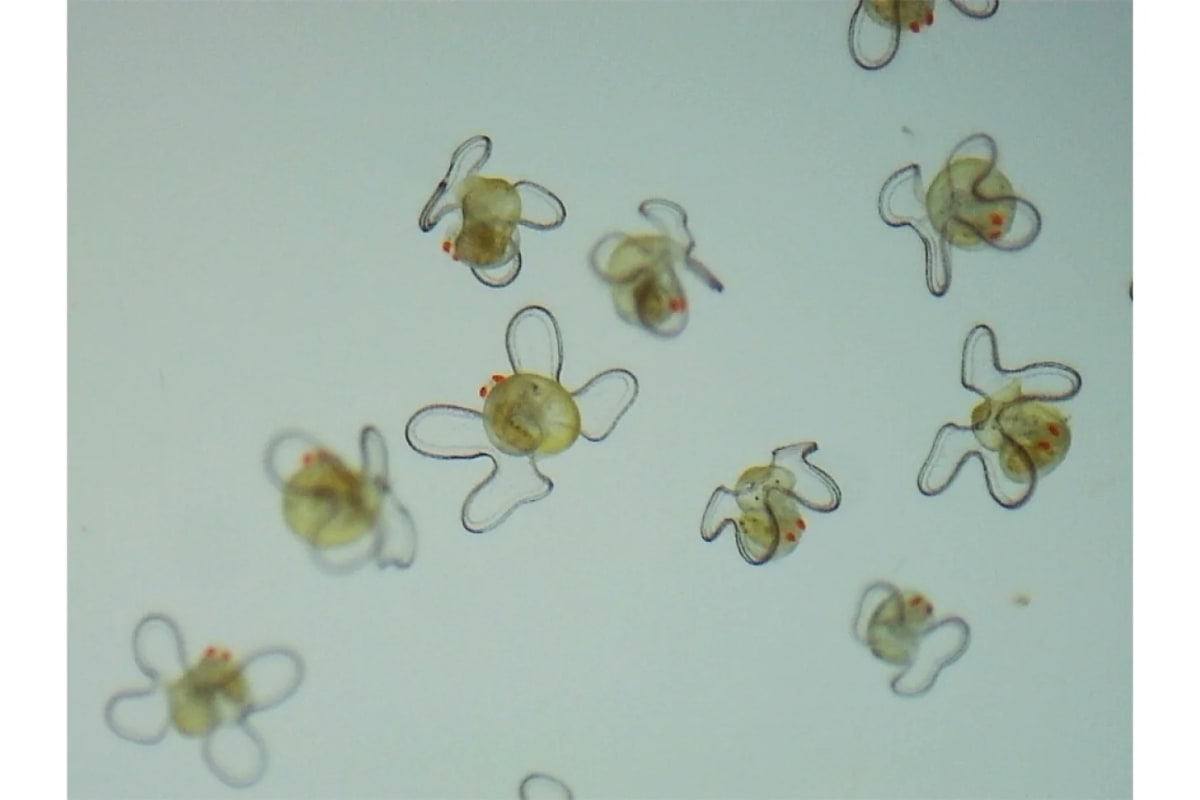
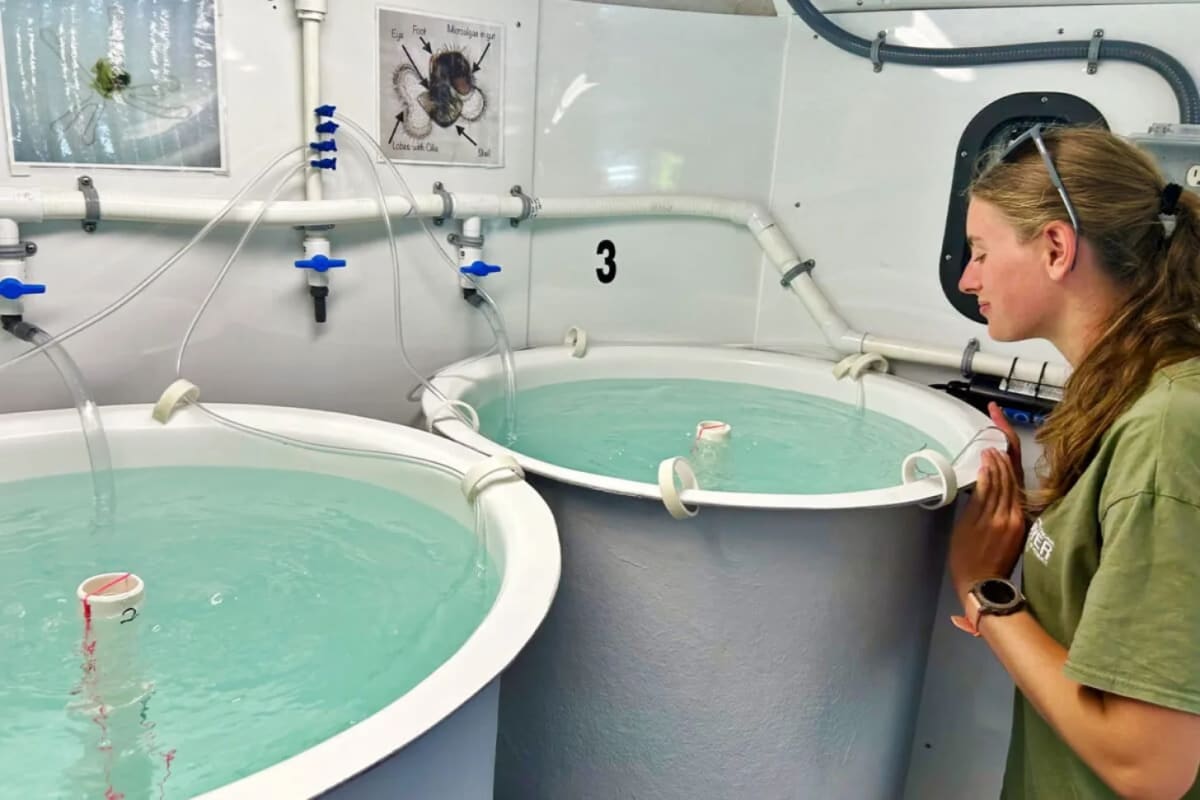
Here's how the mobile labs work. Fishers collect about a quarter of a female conch's egg mass, which contains hundreds of thousands of eggs. Back at the hatchery, the eggs hatch into tiny larvae that feed on phytoplankton grown right in the lab.
After three weeks, staff place them on trays with their favorite food, seagrass covered in diatoms, triggering their transformation into recognizable crawling snails. At one year old, the young conch move to protected ocean pens, then finally return to wild nurseries where they'll reach adulthood in two to three years.
The eighth mobile lab on Eleuthera island in the Bahamas just celebrated its first hatch in June. It plans to release 2,000 juvenile conch each year.
The labs are about the size of a shipping container, making them easy to transport between islands or move inland when hurricanes threaten. Solar panels power most operations, though air conditioning units kick in during the hottest months to keep the baby conch comfortable.
The Ripple Effect
Director Megan Davis says the real magic happens when schools and community members visit the hatcheries. Students peer into tanks to watch microscopic larvae transform, learning about ocean ecosystems while literally helping save a species.
"By bridging aquaculture, fishery, conservation, and restoration all in one place, the local community gains an understanding of all the aspects needed for good management," Davis explains. The labs have become outdoor classrooms where locals don't just learn about conservation but actively participate in it.
Some researchers question whether hatcheries alone can restore wild conch populations decimated by decades of overfishing. But the mobile labs offer something beyond numbers: they're turning conservation into a hands-on community effort, one baby conch at a time.
Since 2022, these rolling nurseries have been spreading hope across the Caribbean, proving that sometimes the best way to save a species is to bring the solution directly to the people who love it most.
More Images
Based on reporting by Good Good Good
This story was written by BrightWire based on verified news reports.
Spread the positivity!
Share this good news with someone who needs it