560-Million-Year-Old Animal Found in Arctic Sheep Field
A rock that fell from a Norwegian cliff split open to reveal a perfectly preserved ancient creature that looks like a fern but rewrites how we understand early animal life. The discovery suggests dozens more unknown organisms could be hiding in the Arctic cliffs above.
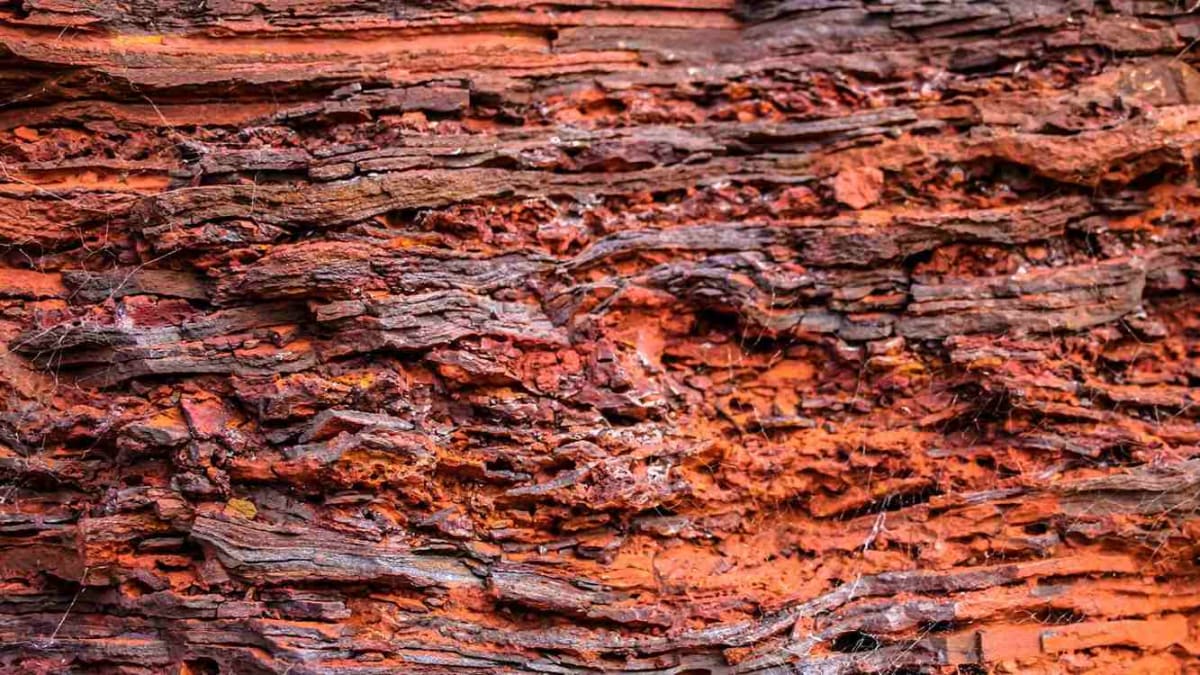
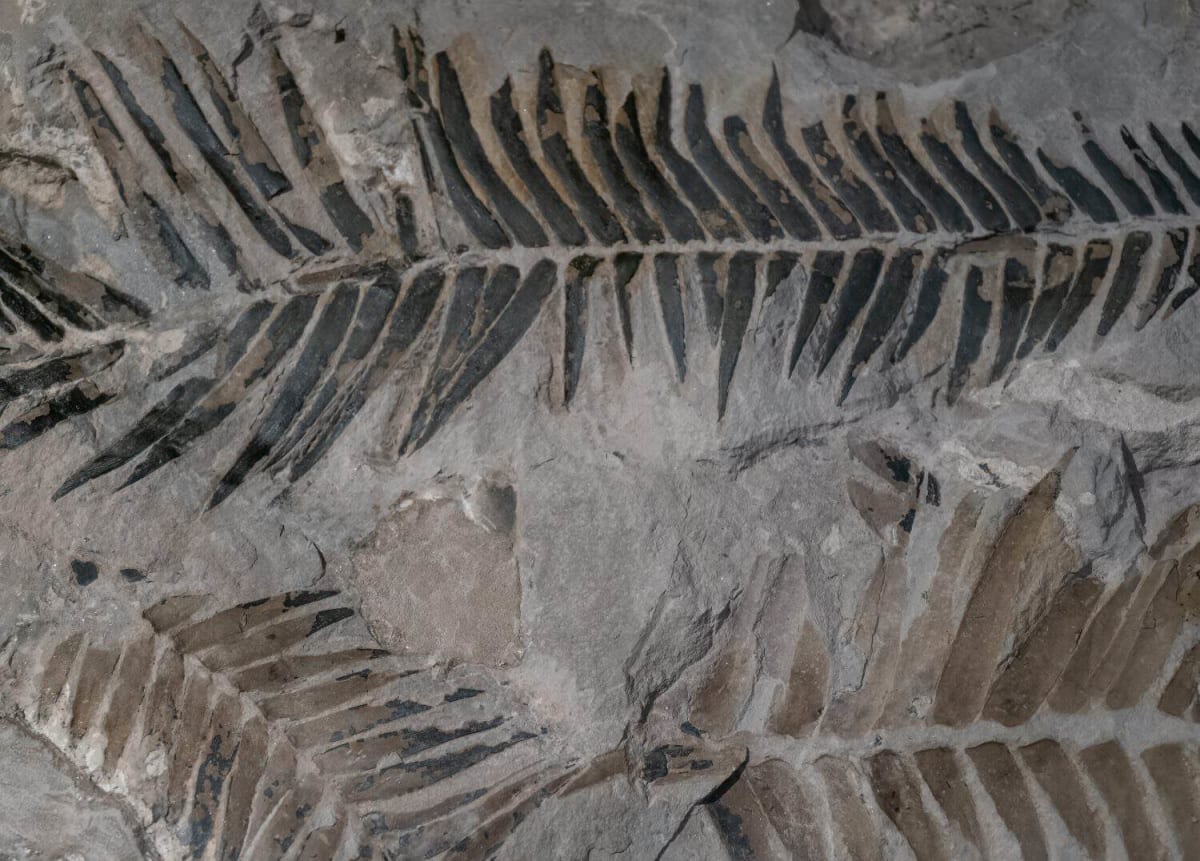
When a rock tumbled off a cliff in Norway's Arctic sheep fields and cracked open, scientists discovered something that shouldn't exist: a 560-million-year-old animal preserved in perfect three-dimensional form.
The fossil belongs to Charnia, one of Earth's earliest animals from the Ediacaran Period. It looks exactly like a fern, but this ancient creature lived deep underwater where no sunlight could reach.
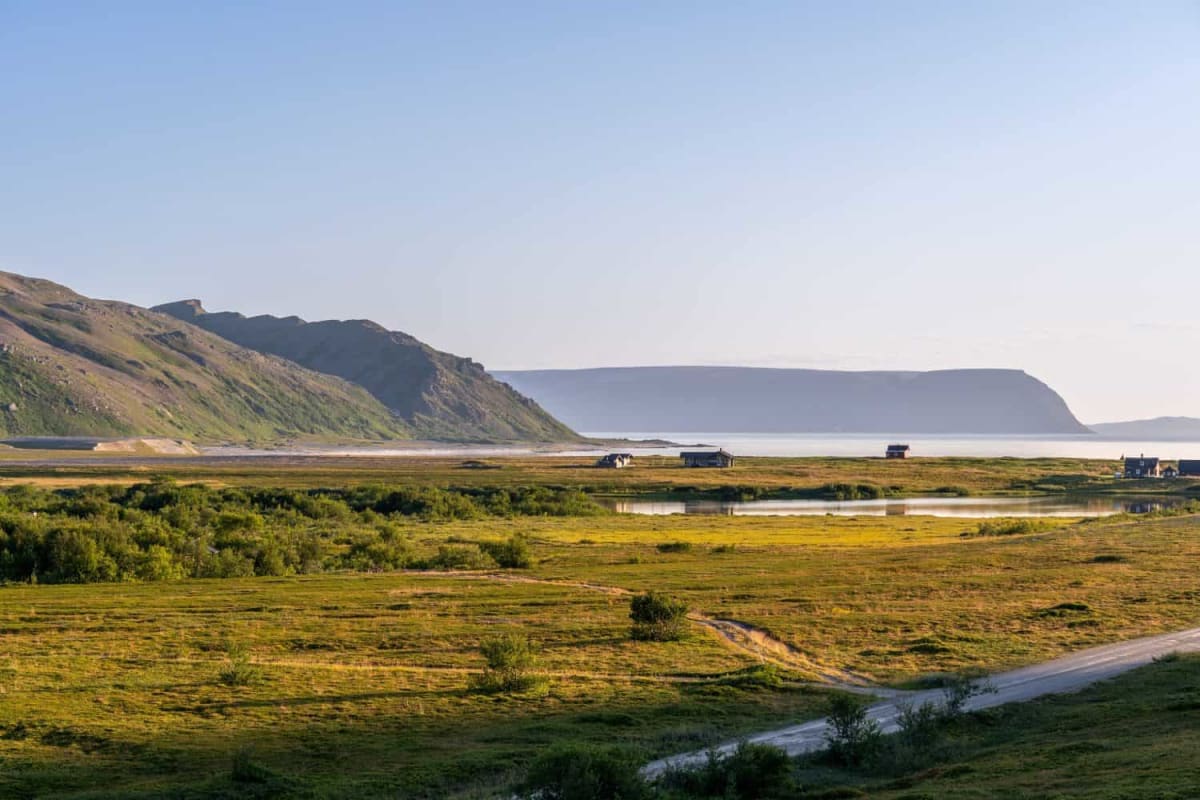
Researchers from the University of Cambridge were examining the rocky plains of Finnmark, Norway, when they found the specimen. The region sits in the remote Norwegian Arctic, where sheep now graze on land that was once an ancient seafloor.
What makes this creature so strange is what it's missing. Charnia had no mouth, no organs, and couldn't move around. Think of it as a living bag of goo, similar to a modern jellyfish but even simpler.
The way it died tells an amazing story. An underwater avalanche likely swept up the creature and buried it instantly in sediment. That sudden burial preserved its ridges and three-dimensional shape, something that almost never happens with soft-bodied organisms from this time period.
Professor Neil Davies from Cambridge's Department of Earth Sciences explained that most fossils from this era are flat impressions, squashed under layers of rock. Finding one that kept its original form is extraordinarily rare.
Why This Inspires
This discovery happened because scientists decided to look somewhere new. Dr. Yorick Veenma noted that researchers usually return to the same well-known fossil sites repeatedly, but this find proves that remarkable discoveries are waiting in unexpected places.
The team believes the Norwegian cliffs above the sheep field could hide an entire undiscovered community of ancient life. Davies described what might be up there: weird umbrella-shaped creatures and organisms that don't match anything found elsewhere.
The discovery challenges how we define animal life itself. These ancient organisms had none of the features we associate with animals today, yet they represent some of the first complex life forms on Earth.
For scientists willing to venture beyond familiar territory, the Arctic plains of Northern Europe may hold secrets about life's earliest days that have been waiting 560 million years to be found.
More Images

Based on reporting by Google: fossil discovery
This story was written by BrightWire based on verified news reports.
Spread the positivity!
Share this good news with someone who needs it