6 Countries Team Up to Save Jaguars, Rhinos, and Gorillas
Wildlife doesn't recognize borders, and now neither does conservation. Six countries just wrapped up a groundbreaking program that's helping them protect endangered species together—from jaguars crossing Colombia and Panama to rhinos in Chad and South Africa.
When a jaguar crosses from Colombia into Panama, it doesn't stop to show a passport. Now, the people protecting these big cats aren't letting borders stop them either.
The Global Wildlife Program just completed its first peer-learning initiative, bringing together conservation teams from six countries to share strategies for protecting endangered species. Funded by the Global Environment Facility and led by the World Bank, the program connects 38 countries across three continents in one of the world's largest wildlife conservation partnerships.
Colombia and Panama kicked off the exchanges by tackling their shared jaguar crisis. Deforestation, illegal trafficking of jaguar parts, and human-wildlife conflict threaten these iconic cats across both nations.
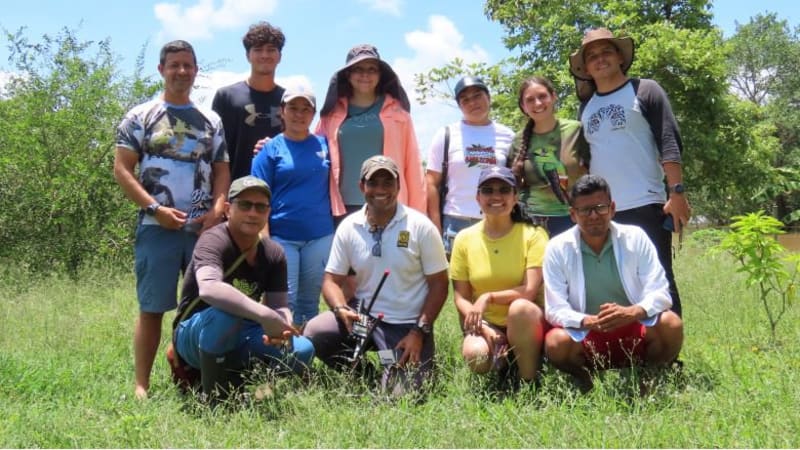
In April 2025, Colombian representatives traveled to Panama to learn about community-led conservation. They met with Panama's Ministry of Environment, Indigenous leaders, and the Yaguará Panama Foundation to discuss monitoring techniques and ecological connectivity.
"Just as the jaguar has no borders, we too should not place barriers on our collaboration," said William Espinosa, who leads Colombia's Jaguar Corridor Initiative. The countries agreed to create a binational cooperation plan and establish a regional network of Indigenous and rural communities to lead jaguar conservation in their territories.
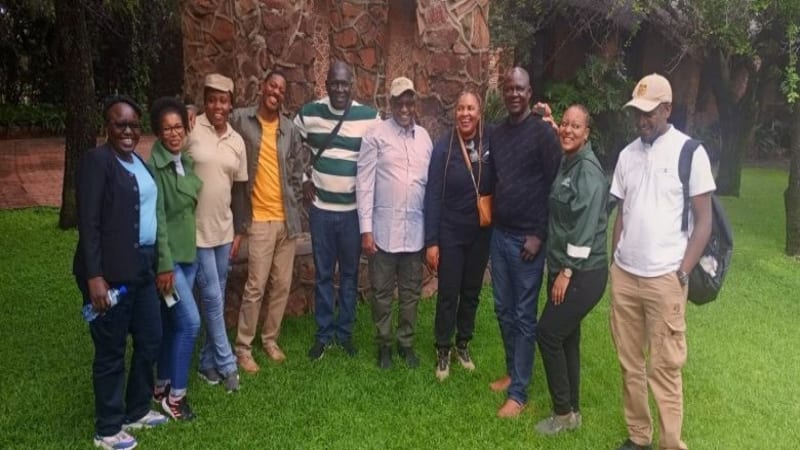
Meanwhile, Chad and South Africa teamed up to combat the organized criminal networks driving illegal wildlife trade. In February 2025, Chad's Ministry of Environment visited South Africa to study how the country treats wildlife crime as serious organized crime, complete with laws targeting corruption, fraud, and money laundering.
The Chad team identified specific measures they could adopt back home, particularly around intelligence gathering and cross-border cooperation. Both countries lose precious wildlife to poaching incursions that threaten not just species survival but also undermine governance.
Bhutan and Uganda focused on a different challenge: how to grow nature-based tourism while protecting habitats. Bhutan, known for cultural heritage tourism, wants to develop more wildlife experiences.
Uganda showed them how it's done. The country's revenue-sharing program with local communities has created community-managed tourism enterprises around national parks, delivering economic benefits while protecting critical habitats for chimpanzees and gorillas.
The Ripple Effect
These exchanges aren't just nice meetings. They're creating tangible cooperation agreements, shared legal frameworks, and community networks that will protect wildlife for generations.
When countries share what works, they amplify their collective impact far beyond what any single nation could achieve alone. Panama and Colombia are now positioned to implement the region's first Action Plan for Jaguar Conservation together.
For wildlife that roams freely across borders, protection finally does too.
More Images

Based on reporting by Google News - Conservation Success
This story was written by BrightWire based on verified news reports.
Spread the positivity!
Share this good news with someone who needs it