Japan Hosts Global Scientists to Transform Food Systems
Four young agricultural scientists from developing nations received FAO sponsorships to attend Japan's premier horticultural congress, where global experts gathered to tackle food security challenges. The event highlighted how innovation in horticulture can create practical solutions for small-scale farmers worldwide.
Young researchers from Vietnam, the Philippines, Colombia, and India just got a career-changing opportunity that could help feed millions.
The Food and Agriculture Organization sponsored four emerging scientists to attend the 32nd International Horticultural Congress in Kyoto this August. Binh Quang Hoang, Rona Kay Gabriel Franco, Maria Camila Remolina, and Pasham Sahithi Reddy joined thousands of international experts exploring how better farming techniques can transform food systems.
FAO Director-General QU Dongyu spent three days in Japan meeting with these young researchers and horticultural leaders. He emphasized that scientific breakthroughs only matter when they reach the farmers who need them most, especially those working small plots of land.
The congress brought together scientists, researchers, and agricultural experts to share innovations that could make farming more productive and sustainable. Japan's deep cultural connection with plants provided an inspiring backdrop for discussions about the future of food.
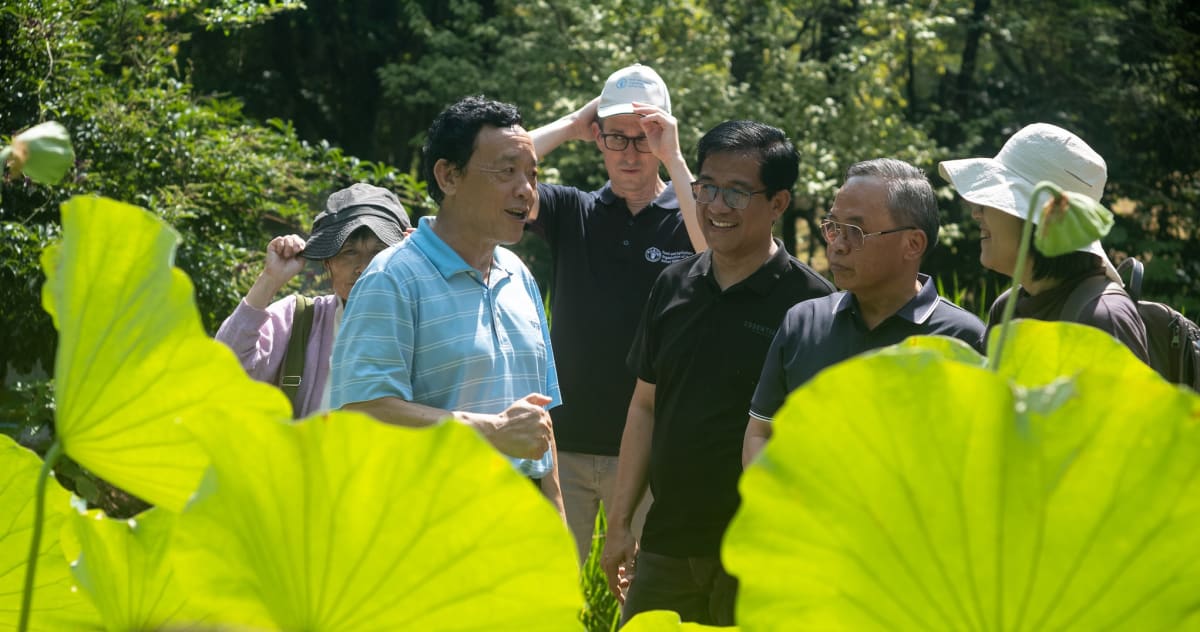
Director-General QU visited the Man'yo Botanical Garden in Nara, which features plants from Japan's oldest poetry collection. The garden demonstrates how Japan has honored its relationship with nature for over a thousand years while continuously advancing agricultural science.
The timing matters because Japan will host the International Horticultural Expo 2027 in Yokohama next year. Countries and organizations worldwide will showcase how plants and innovative farming techniques contribute to sustainable development.
The Ripple Effect
Supporting young scientists from developing nations creates a multiplier effect that extends far beyond one conference. These four researchers return home with new knowledge, international connections, and cutting-edge techniques they can adapt to local conditions.
Small-scale farmers in Vietnam, the Philippines, Colombia, and India could soon benefit from innovations these scientists bring back. Better crop varieties, improved growing methods, and sustainable practices often start in research labs before transforming entire communities.
The congress highlighted how international cooperation accelerates agricultural progress. When scientists share discoveries across borders, solutions spread faster to the people who need them most.
Director-General QU encouraged the young researchers to think bigger and longer-term about horticulture's development. Their generation will shape how the world grows food for decades to come.
The future of feeding our planet depends on investing in the next generation of agricultural scientists who understand both tradition and innovation.
Based on reporting by Google News - Japan Innovation
This story was written by BrightWire based on verified news reports.
Spread the positivity!
Share this good news with someone who needs it
%2Ffile%2Fattachments%2Forphans%2FMLJoburg-91_220988.jpg)