Scientists Turn Plastic Bottles Into Edible Vanilla Cookies
Researchers at Southern Illinois University just cracked the code on turning plastic water bottles into safe, edible cookies using specially programmed microbes. The innovation could one day help feed people in disaster zones and even astronauts on deep space missions.
Scientists have figured out how to transform plastic bottles into cookies you can actually eat, and it's not science fiction.
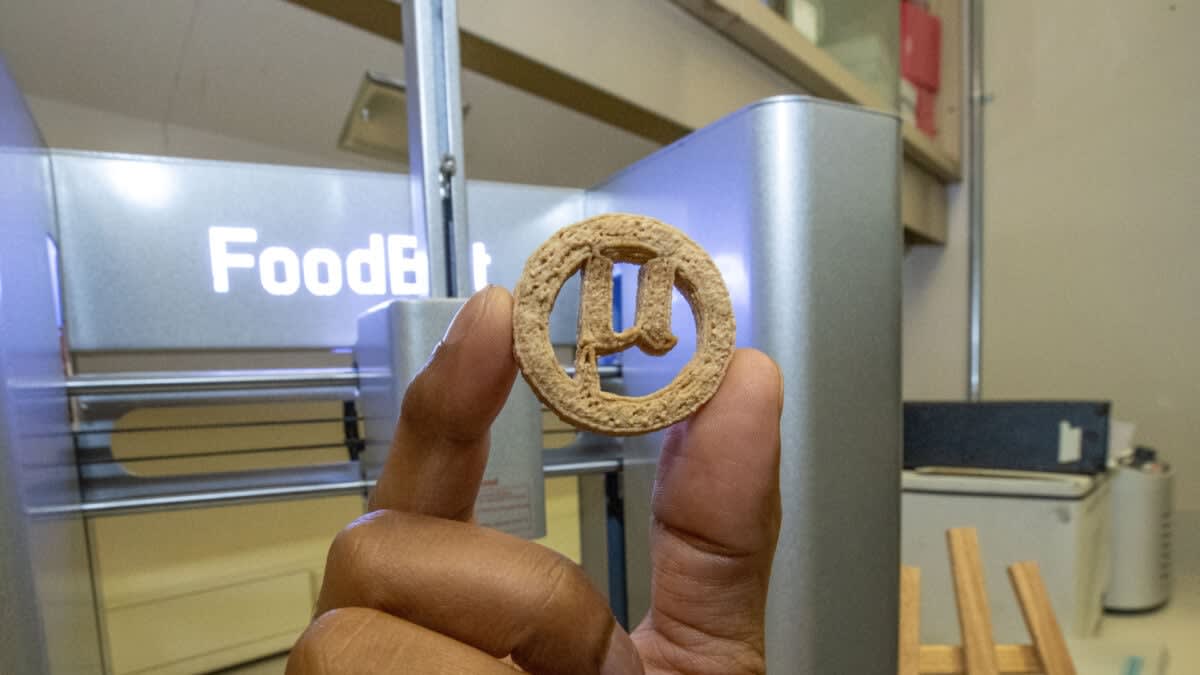
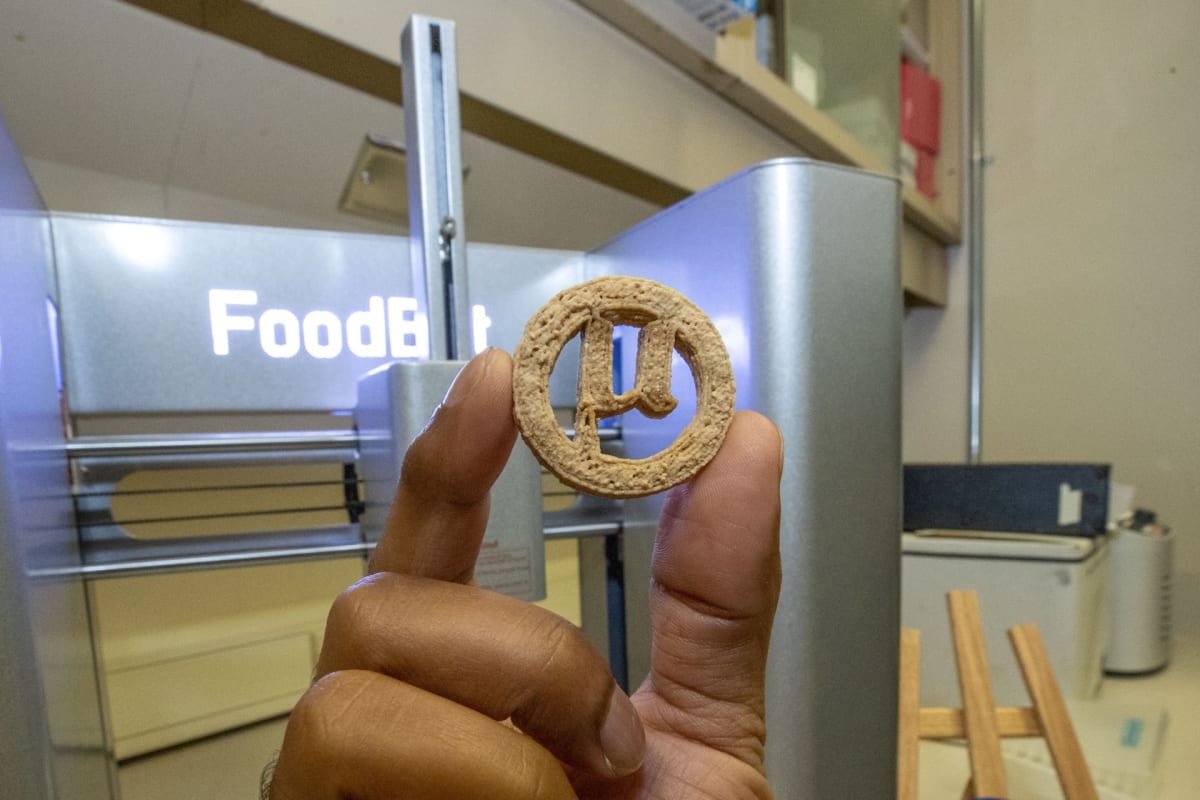
Researchers at Southern Illinois University Carbondale created edible cookies called "µBites" using the same plastic found in soda and water bottles. The team presented their breakthrough today at the American Chemical Society's annual meeting.
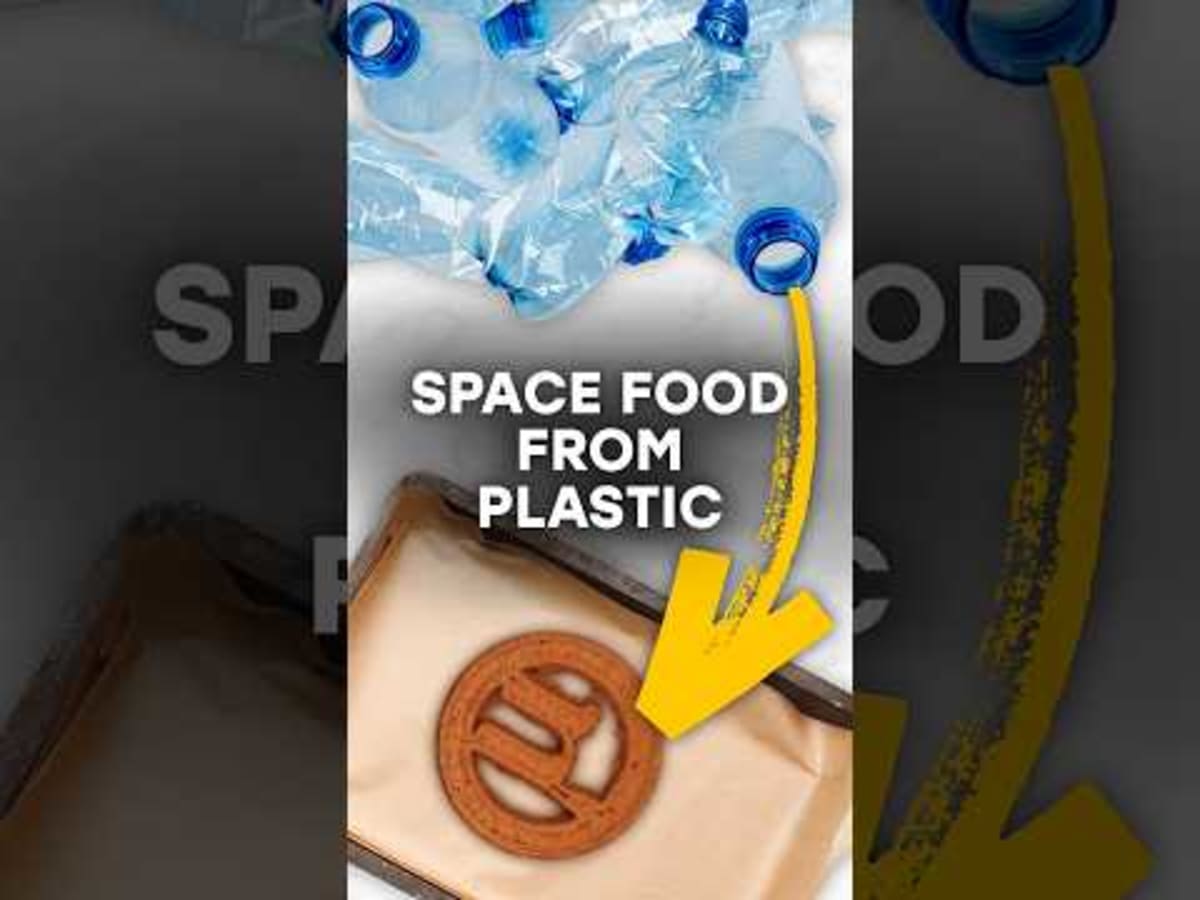
The process sounds like magic, but it's brilliant biochemistry. The scientists first break down PET plastic using hot, high-pressure water and oxygen, mixing it with plant materials like corn stalks and leaves to create bite-sized pieces.
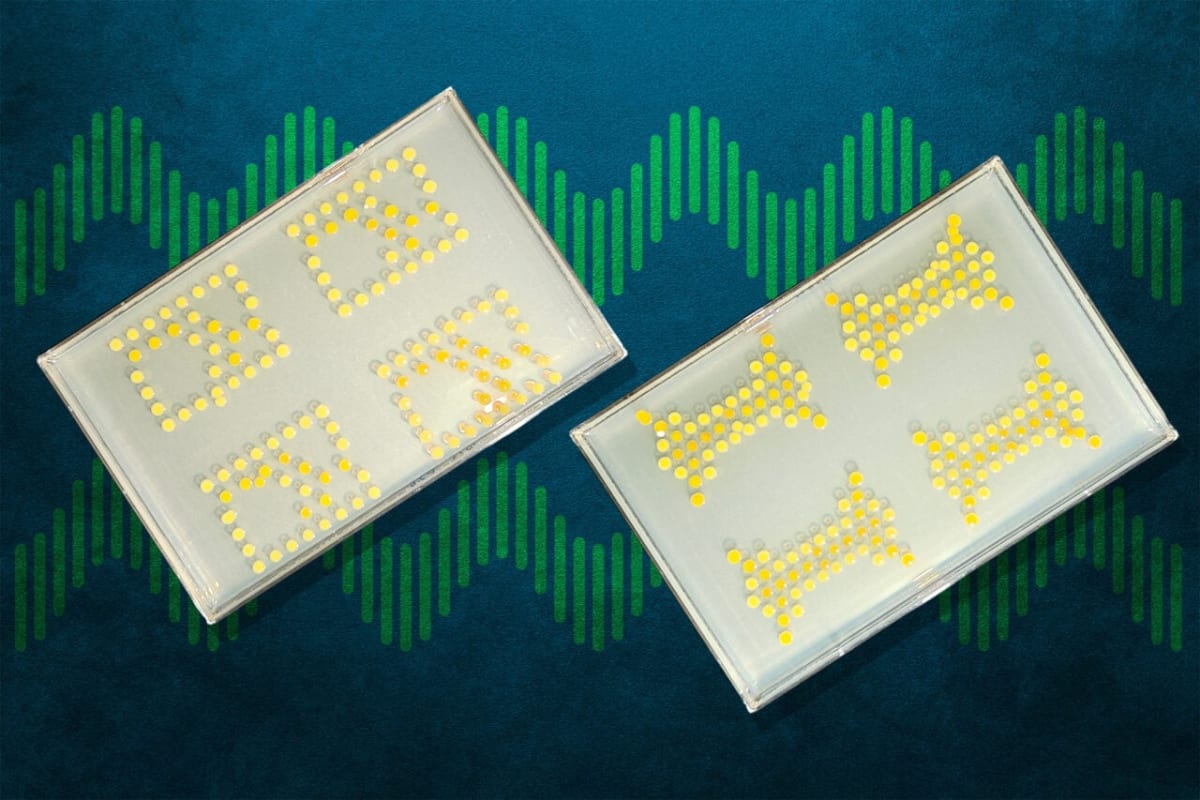
Then comes the clever part. The team uses specially programmed yeasts and microbes to convert the plastic molecules into proteins, vitamins, and even vanilla flavoring.
"Microbes are very clever," explained Lahiru Jayakody, a biochemist leading the project. "So, we are using their traits to solve the problems we created."
After the microbes work their magic, the researchers add fiber, starch, and sweetener, then use a 3D printer to shape the mixture into actual cookies. The result is a food source that's been confirmed safe for consumption, though the team is still waiting for institutional approval to conduct official taste tests.
The project started as an entry in NASA's Deep Space Food Challenge, which asked scientists to develop innovative food production methods for resource-limited environments. While µBites didn't win the competition, it sparked something bigger.
The team created one yeast strain that turns plant biomass into vanilla flavoring and another that converts plastic components into beta-carotene, a rich source of vitamin A. Each cookie packs real nutritional value along with familiar taste.
The Ripple Effect
Beyond feeding future astronauts, this breakthrough addresses a massive global challenge. Food demand is expected to jump 35 to 56 percent by 2050, with about 30 percent of the world's population at risk of hunger.
The innovation also tackles plastic waste head-on. Every year, millions of tons of PET bottles end up in landfills and oceans, and this technology offers a way to transform that pollution into nutrition.
There are still hurdles to clear. Right now, producing 2.2 pounds of µBites costs about $60, so the team needs to dramatically reduce expenses before the cookies can reach stores. Jayakody also acknowledges the challenge of convincing people that plastic-derived food is safe and appealing.
But the research team stays optimistic about scaling up production and bringing costs down. "The way to address that, I believe, is by using microbes," Jayakody said about solving future food scarcity.
What started as a wild idea to feed astronauts could end up feeding disaster survivors and eventually help ensure nobody goes hungry on an increasingly crowded planet.
More Images
Based on reporting by Google News - Science
This story was written by BrightWire based on verified news reports.
Spread the positivity!
Share this good news with someone who needs it