6 Indian Fabric Designs That Conquered Global Fashion
From French markets to Scottish mills, six Indian textile patterns traveled the world and became fashion staples. Chintz, paisley, and ikat each carry centuries of craft history that still shapes what we wear today.
The next time you spot a paisley scarf or a seersucker suit, you're looking at centuries of Indian craftsmanship that traveled across oceans to become global fashion icons.
These six motifs didn't just influence world fashion. They revolutionized it, changing how entire continents dressed and creating industries that still thrive today.
Indienne captured French royalty's attention so completely that King Louis XIV demanded these nature-inspired prints for his kingdom. Armenian traders first brought the fabrics from India to Marseille, where the colorful sunflower patterns became so beloved that locals started copying the designs. Today, walk through any market in France's Provence region and you'll still see these "Indians" dominating shop windows.
Chintz impressed the British so much they renamed it. Originally called kalamari after the bamboo pen used to create the patterns, the fabric featured everything from trees to folk tales. The British changed the name to chintz, derived from the Indian word "cheent" meaning spotted.
Ikat dates back so far that it appears in fifth-century wall frescoes at the Ajanta Ellora caves. Unlike other fabrics where designs are woven onto cloth, ikat's unique look comes from wrapping and dyeing threads before weaving, creating its distinctive blurred patterns.
Seersucker gets its name from the Persian phrase meaning "milk and sugar." Weavers create its signature bumpy texture by putting two thread colors at different tensions onto the loom, producing alternating smooth and puckered stripes.
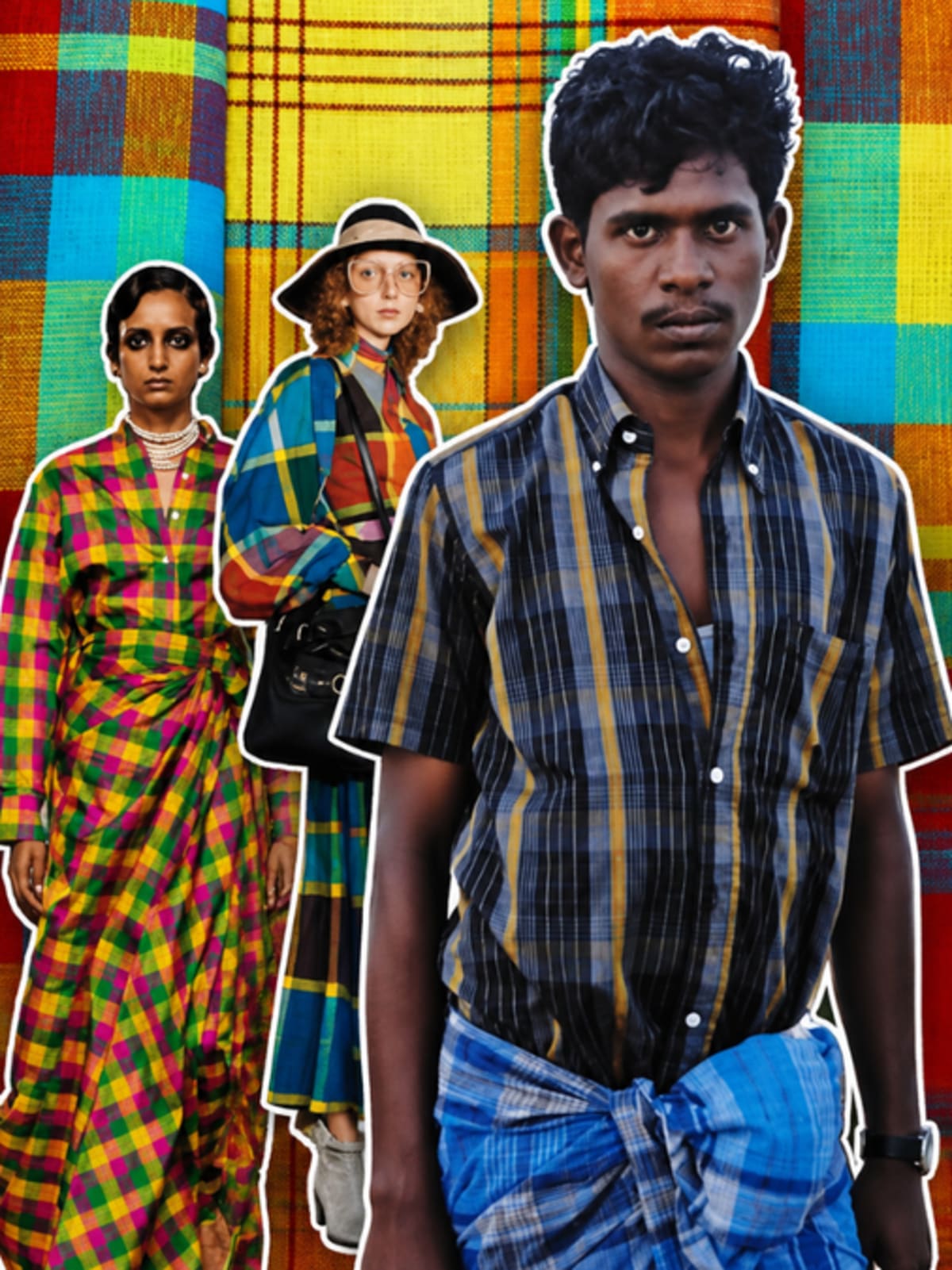
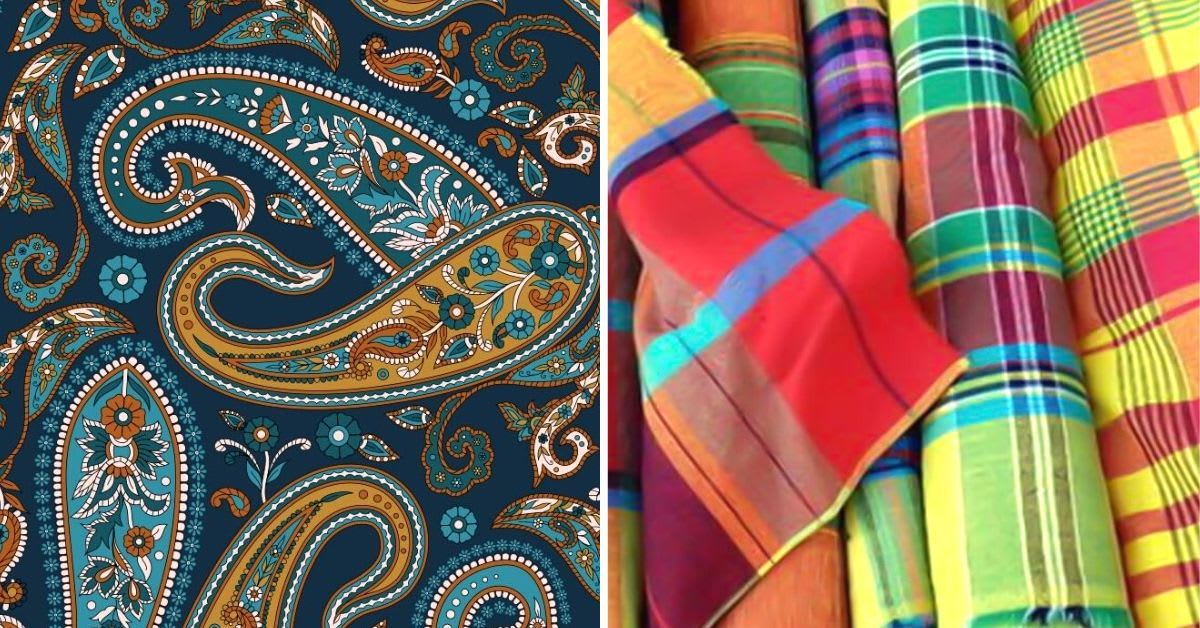
Madras plaid requires such delicate handling that the yarn isn't even combed before weaving. Artisans hand-dye the yarn in holders filled with dye, salt, soda, water and stabilizers, creating the fabric's characteristic bumpy texture that's survived since the 12th century.
Paisley combines a tree symbolizing eternity with seeds representing fertility and patterns echoing the Chinese yin yang. Legend says the pine cone designs originated in Persia, but the pattern got its English name from Paisley, Scotland, where mills produced the prints for eager European markets.
Why This Inspires
Each motif carries stories of artisans who perfected techniques over generations, creating designs so beautiful they crossed cultural boundaries. What started as local Indian craft traditions became so universally loved that countries renamed them, replicated them, and built entire industries around them.
These patterns prove that authentic craftsmanship transcends borders, turning regional art into timeless global treasures that still make us stop and admire a piece of fabric.
More Images
%2Fenglish-betterindia%2Fmedia%2Fpost_attachments%2Fuploads%2F2022%2F06%2Ffabrics-1656135988.jpg)
%2Fenglish-betterindia%2Fmedia%2Fpost_attachments%2Fuploads%2F2022%2F06%2F1656074932470_2_11zon-1656131305-500x500.jpg)
%2Fenglish-betterindia%2Fmedia%2Fpost_attachments%2Fuploads%2F2022%2F06%2F1656074933377_5_11zon-1656131354-500x500.jpg)
Based on reporting by The Better India
This story was written by BrightWire based on verified news reports.
Spread the positivity!
Share this good news with someone who needs it
%2Fhttps%3A%2F%2Ftf-cmsv2-smithsonianmag-media.s3.amazonaws.com%2Ffiler_public%2Fc9%2F05%2Fc905a52f-0314-4ce0-993c-206eadb5d2c4%2Fgrc-2019-c-00772large.jpg)