60 Nations Meet to Save Endangered Emperor Penguins
Countries worldwide are gathering in Japan this week to strengthen protections for emperor penguins, newly declared endangered due to melting sea ice. The Antarctic Treaty talks could establish new safeguards for these beloved birds and their fragile home.
Nearly 60 countries are joining forces in Hiroshima this week to protect one of nature's most iconic creatures before it's too late.
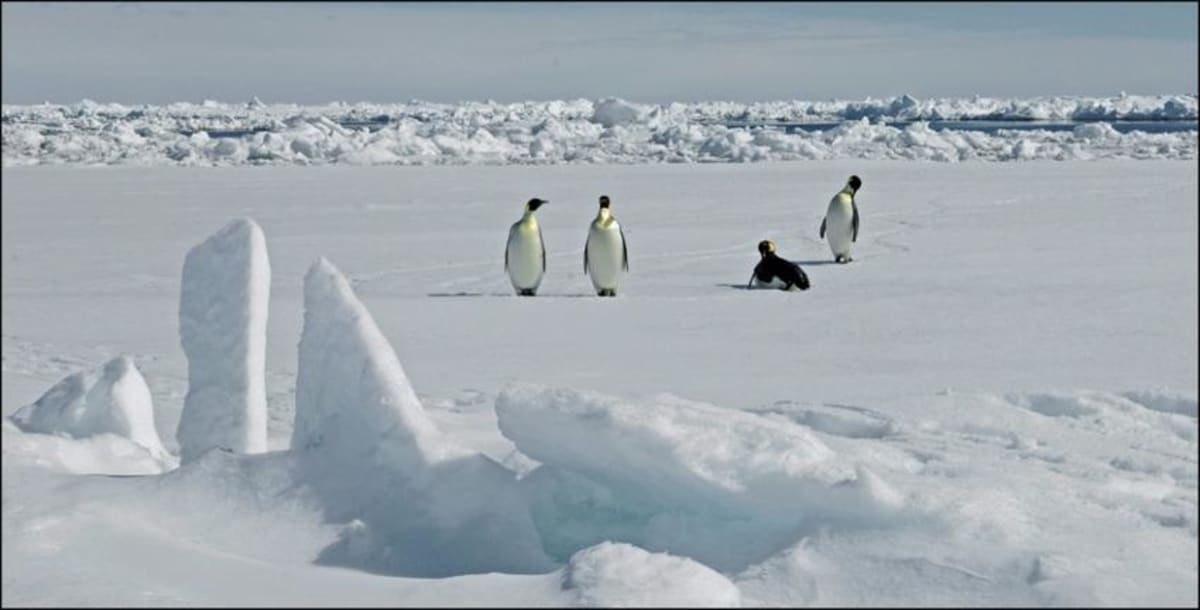
Emperor penguins, the largest penguin species known for their striking black and gold plumage, were declared endangered last month by the International Union for the Conservation of Nature. Now diplomats and scientists from nations including the United States, China, Russia, and Ukraine are working together to give these Antarctic icons stronger legal protections.
The problem is stark. Climate change is causing the sea ice where emperor penguins live, hunt, and raise their chicks to break up earlier each year. Without stable ice platforms, breeding colonies collapse and penguin populations plummet.
Conservation group WWF is pushing for emperor penguins to receive "specially protected species" status at this week's Antarctic Treaty meeting. That designation could restrict shipping routes and tourism activities that add pressure to already struggling penguin populations.
The timing couldn't be more critical. Antarctica saw nearly 120,000 tourists visit in 2024-25, a sharp increase that's raising concerns about environmental impact. Activities now range from traditional cruises to kayaking, hot air ballooning, and even motorbiking across pristine ice.
The Bright Side
Despite tensions between nations on other global issues, the Antarctic Treaty continues to bring countries together around shared conservation goals. The 1959 agreement designates Antarctica as a land of science and peace, proving that international cooperation is possible even in difficult times.
Francisco Berguno, executive secretary of the Antarctic Treaty Secretariat, emphasized Antarctica's crucial role in regulating Earth's climate and oceans. The decisions made in Hiroshima will help ensure human activity in the region remains environmentally responsible and scientifically driven.
Japan's Hideki Uyama, who is chairing the meeting, acknowledged that managing Antarctica's booming tourism has become a key priority. Delegates are considering new restrictions on certain areas and activities, along with possible visitor quotas to protect wildlife.
While sources say a final decision on upgraded penguin protections may not come this week, the fact that 50 countries are at the table discussing solutions represents meaningful progress.
These conversations are the first step toward ensuring emperor penguins don't slide toward extinction by century's end.
More Images

Based on reporting by Japan Today
This story was written by BrightWire based on verified news reports.
Spread the positivity!
Share this good news with someone who needs it