60 Years Later, This Barrage Still Waters Bihar's Farms
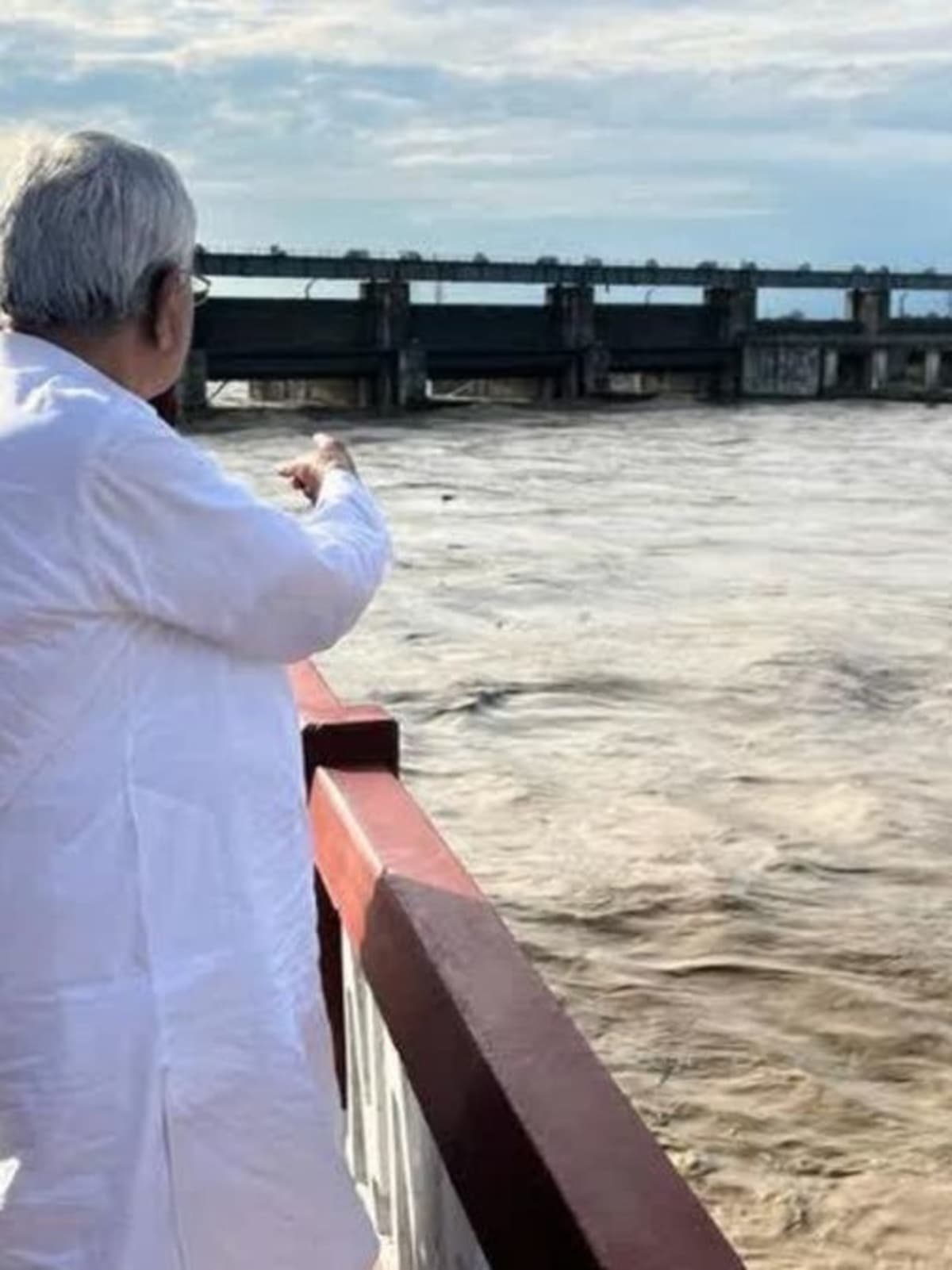
A massive structure on the India-Nepal border has quietly fed millions of farms for six decades. The Gandak Barrage at Valmikinagar turned a flood-prone river into a lifeline for three regions.
Imagine a river that could destroy your crops one season and save them the next. For generations, farmers along the Gandak River lived with exactly that uncertainty.
On May 4, 1964, India and Nepal inaugurated a solution that would change everything. The Gandak Barrage at Valmikinagar was designed to do what seemed impossible: tame one of the Himalayan region's mightiest rivers and put its waters to work.
The Gandak originates high in the Himalayas before crossing into India at West Champaran, near the Nepal border. Communities along its banks knew the river as both blessing and curse, providing fertile soil while unleashing devastating floods almost annually.
The barrage project took longer than expected. Construction started in December 1963 with a target completion of June 1967, but the massive structure wasn't finished until March 1969. At 743 metres long, it became the foundation for an entire water management system.
Two major canal networks branch out from the barrage: the Western Main Canal and the Eastern Main Canal. Together, they carry Gandak water deep into the agricultural heartlands of Bihar, Uttar Pradesh, and Nepal, turning once uncertain farmland into reliable growing zones.
The numbers tell the story of its power. On July 31, 2003, the barrage recorded a downstream discharge of 639,750 cusecs during peak floods. Even in the 2024 flood season, it managed flows of 562,500 cusecs, allowing engineers to monitor and respond to the river's moods.
The Ripple Effect
The barrage didn't just change how water moved through the region. It transformed how millions of farmers planned their seasons and fed their families.
Before the project, farmers gambled with every planting season. Too little rain meant crop failure. Too much rain meant watching fields wash away. The canal system gave them something precious: predictability.
The project also became a model for India-Nepal cooperation on shared water resources. Both countries contributed to planning and construction, and both continue to benefit from its irrigation network today. It proved that rivers flowing across borders don't have to divide communities.
Sixty years later, the Gandak Barrage remains a crucial piece of Bihar's water infrastructure. It's not a glamorous megaproject that makes headlines, but it's done something more valuable: worked quietly and consistently for six decades, watering crops and stabilizing communities season after season.
Some structures make history with a single dramatic moment, but others write it slowly, one growing season at a time.
Based on reporting by The Better India
This story was written by BrightWire based on verified news reports.
Spread the positivity!
Share this good news with someone who needs it