600-Year-Old Grape Seed Links Medieval Wine to Today's Pinot
Scientists discovered a grape seed in a 15th-century French toilet that's genetically identical to grapes used in modern pinot noir wine. The finding proves winemakers have preserved the same grape varieties for six centuries.
A grape seed found in a medieval toilet just revealed that we're drinking the same wine our ancestors enjoyed 600 years ago.
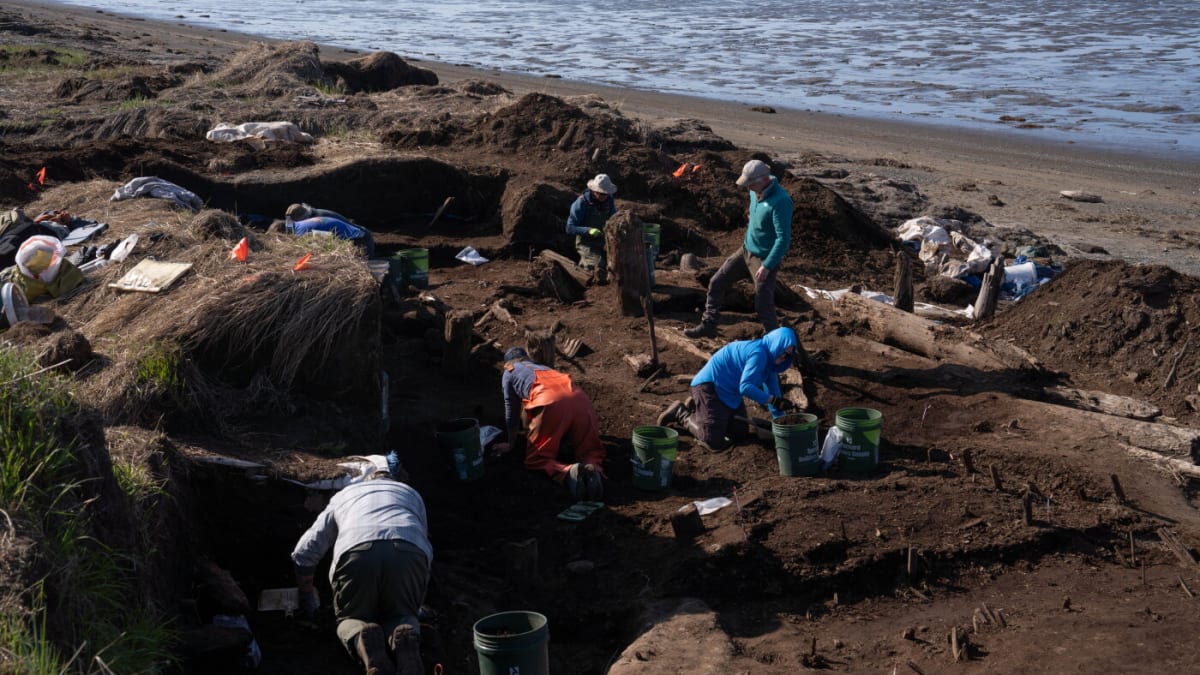
Scientists analyzing a seed from a 15th-century hospital lavatory in Valenciennes, northern France, discovered it was a perfect genetic match for grapes used in today's pinot noir production. The seed had been preserved in what doubled as a waste disposal area, creating ideal conditions for its survival through the centuries.
The discovery does more than connect us to the past. It provides the first genetic proof that winemakers successfully maintained specific grape varieties through clonal propagation for six centuries, confirming what historical documents could only suggest.
Paleogeneticist Ludovic Orlando of the University of Toulouse put the timeline in perspective: Joan of Arc lived during the same era. "She could have eaten the same grapes as us," he said.
The research team didn't stop with one seed. They sequenced the genomes of 54 grape seeds spanning from 2,300 BC during the Bronze Age through the medieval period, published in Nature Communications.
Their findings trace a fascinating journey of grape cultivation across Europe. The earliest specimens came from wild vines near Nimes around 2,000 BC, while cultivated vines first appeared in southern France between 625 and 500 BC when Greek colonists brought viticulture to the region.
Roman times saw extensive mixing of grape varieties from Spain, the Balkans, the Caucasus, and the Middle East. Northern France became a melting pot where imported cultivated varieties blended with indigenous wild vines.
Why This Inspires
This discovery celebrates human dedication to preserving something beautiful across generations. For 600 years, winemakers carefully maintained these grape varieties through meticulous cultivation, creating an unbroken chain from medieval France to modern vineyards.
The technique of clonal propagation involves preserving cuttings from particular vines to reproduce identical plants. Evidence shows this practice existed as early as the Iron Age, demonstrating remarkable agricultural sophistication.
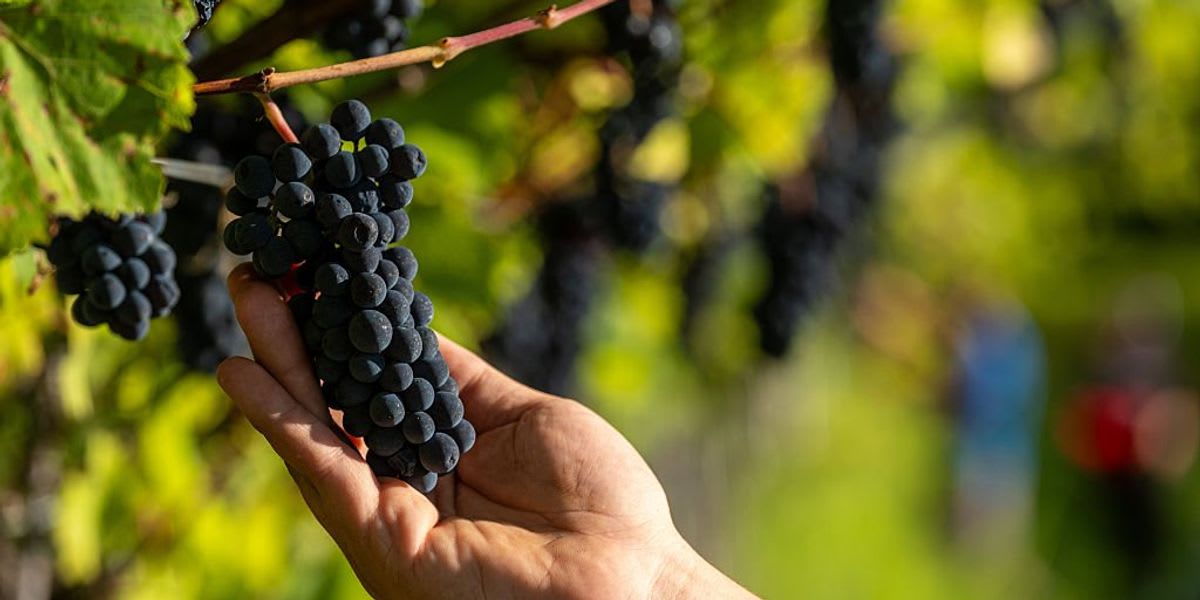
Today, pinot noir ranks as the fourth most cultivated grape variety worldwide, with its spiritual home in Burgundy. Every glass connects drinkers to centuries of careful stewardship and tradition.
Study co-author Laurent Bouby explained that outside of paleogenomics, proving these ancient cultivation techniques was nearly impossible. Now genetic science confirms what passionate winemakers achieved through observation and dedication alone.
The research team is excited to collaborate with historians who can access texts describing historical winegrowing practices, potentially unlocking even more connections between ancient and modern viticulture.
This tiny seed survived six centuries to tell us that some traditions are worth preserving, and the best things in life only get better with time.
Based on reporting by Regional: france breakthrough discovery (FR)
This story was written by BrightWire based on verified news reports.
Spread the positivity!
Share this good news with someone who needs it