60,000 Seabirds Turn Belgian Wind Farm Into Feeding Haven
Scientists expected seabirds to avoid Belgium's Thornton Bank wind farm, but 60,000 gulls arrived instead, turning turbine foundations into safe roosting spots. The wind farm accidentally created an artificial reef that transformed how these birds feed and rest.
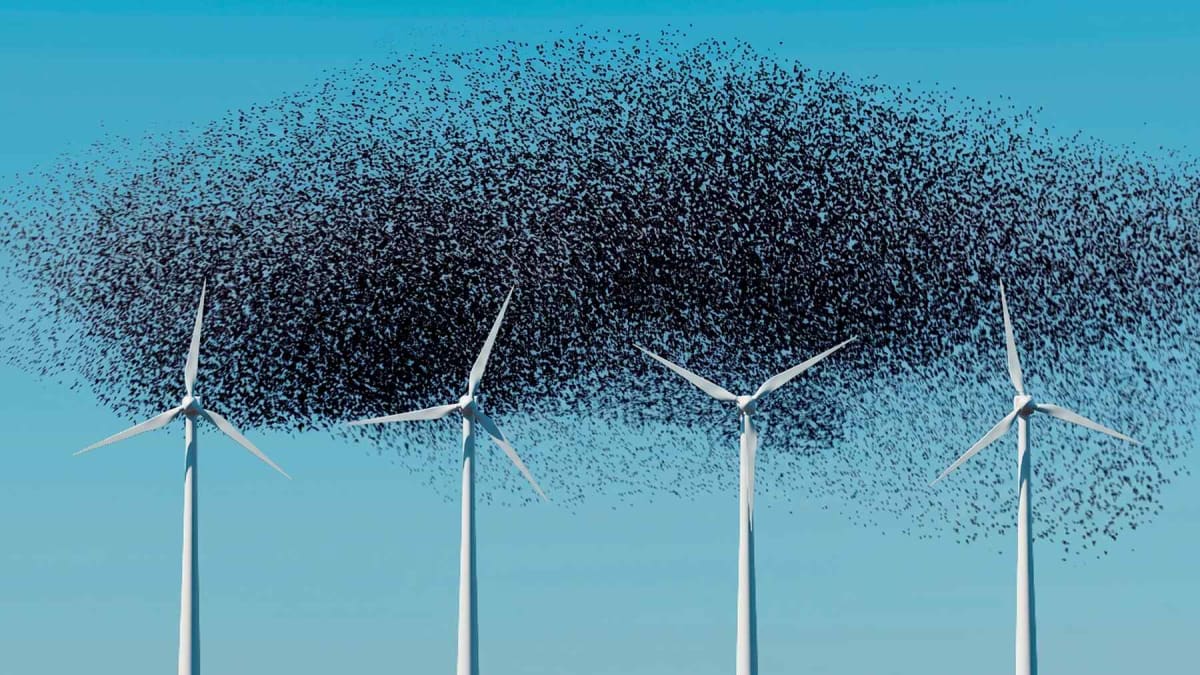
When Belgium built the Thornton Bank wind farm in the North Sea, researchers braced for birds to flee the area. Instead, more than 60,000 gulls showed up and made it home.
Scientists from Belgium's INBO and the Pacific Northwest National Laboratory tracked bird behavior at the massive offshore wind farm for years. They expected most seabirds would avoid the turbines completely. What happened next surprised everyone.
Some species did avoid the area entirely. Northern gannets dropped by 97%, and little gulls declined by 89%. These pelagic birds saw the turbines as threats and stayed away.
But three gull species had the opposite reaction. Great black-backed gulls surged more than six times their original numbers. Herring gulls nearly tripled. Sandwich terns increased more than five times, mostly hovering near the edges.
Researchers tagged 133 birds with GPS trackers to understand why. The answer lay beneath the surface. The turbine foundations acted like an artificial reef, attracting fish and creating a concentrated food supply.
The gulls weren't just visiting for quick meals. They spent half their time roosting safely on the turbine foundations themselves, turning the wind farm into an unexpected ocean sanctuary. Instead of constantly flying to find food, they could rest and eat in one reliable location.
The discovery reveals how offshore wind farms can accidentally create new marine ecosystems. The structures change underwater habitats, which shifts where fish gather, which changes where birds feed. The North Sea is rapidly expanding its wind capacity to meet energy demands for Belgium, the Netherlands, Germany, and the UK.
The Bright Side
This unexpected benefit doesn't erase concerns about construction noise or impacts on marine mammals during installation. But it shows that some wildlife can adapt to renewable energy infrastructure in surprising ways.
The wind farm essentially created a service station in the middle of the ocean. Gulls that once traveled long distances for food now have a reliable hub. The turbines provide both meals and safe resting spots far from shore.
As the North Sea transforms into one of the world's largest offshore wind hubs, understanding these wildlife interactions becomes crucial. Not all birds benefit equally, but the massive gull congregations show that renewable energy and thriving wildlife populations can coexist.
The 60,000 gulls that call Thornton Bank home prove nature finds opportunity in unexpected places.
More Images

Based on reporting by Google News - Wind Energy
This story was written by BrightWire based on verified news reports.
Spread the positivity!
Share this good news with someone who needs it