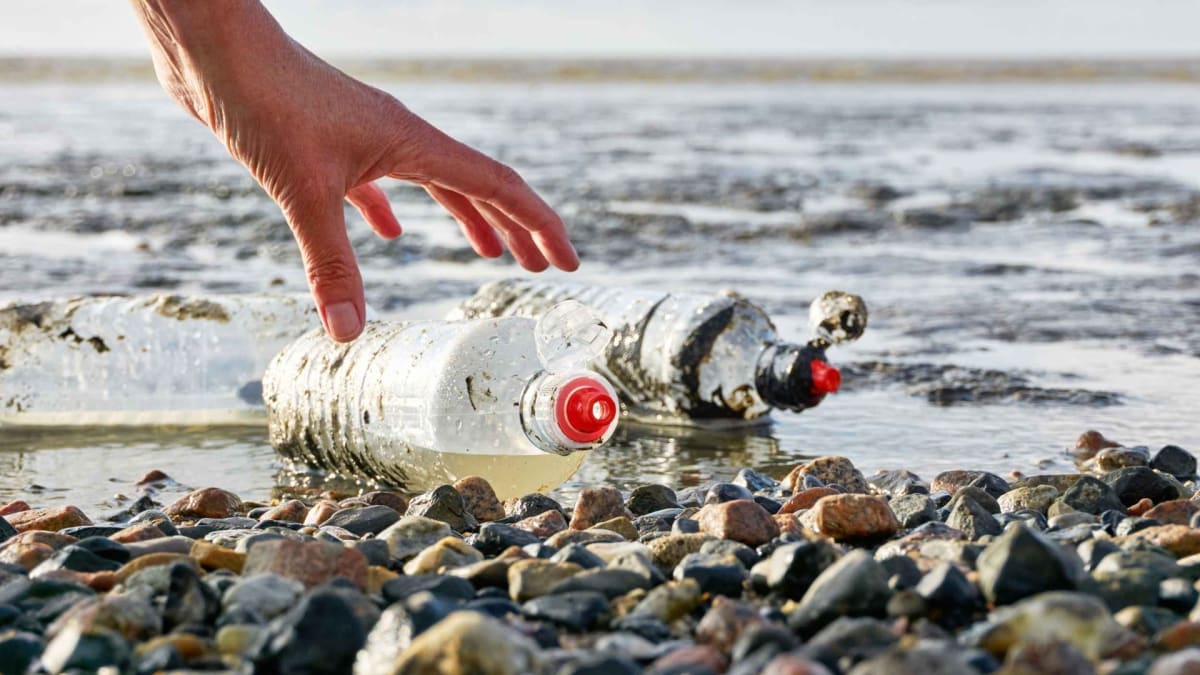
630,000 Volunteers Remove 14 Million Items from Beaches
In the world's largest beach cleanup, volunteers across 15,000 miles of coastline turned a pollution problem into proof that people power works. Their efforts removed nearly 14 million pieces of trash and created a data treasure trove showing exactly where waste systems fail.
Last September, 630,000 volunteers armed with trash bags accomplished something remarkable. They removed 13.9 million pieces of litter from beaches, rivers, and waterways around the world in a single coordinated campaign.
The 40th annual International Coastal Cleanup, organized by Ocean Conservancy, did more than beautify coastlines. Volunteers counted and classified every item they found, transforming a beach sweep into the world's largest pollution inventory.
Plastic bottles topped the list at 1.3 million collected, followed by 1.2 million cigarette butts and nearly 900,000 bottle caps. The count revealed roughly 22 items removed per volunteer, turning individual effort into massive collective impact.
"Most bottles are used for mere minutes and yet can last in the environment forever," explained Allison Schutes, the nonprofit's senior director of conservation cleanups. That simple truth drove volunteers to spend their Saturday morning wading through shoreline debris.
What began in Texas in 1986 with just 2,800 volunteers has grown into a global movement. Nearly 20 million people have now participated over four decades, removing more than 405 million pounds of trash and logging close to 440 million individual items.
The data collection matters beyond the cleanup itself. Researchers use these records to test whether policies actually work, comparing cleanup results before and after laws change.
A 2025 study in Science found that areas with plastic bag bans or fees saw bags drop by 25 to 47 percent as a share of collected litter. The volunteer counts provided the evidence that proved targeted rules can shift what ends up on beaches.
The wildlife stakes are real. Research examining over 10,000 animal necropsies found plastic in 35 percent of seabirds, 47 percent of sea turtles, and 12 percent of marine mammals studied. Some cases showed fatal digestive blockages caused by swallowed bottles and bags.
The Ripple Effect
Beyond the immediate shoreline transformation, these cleanups are changing policy. Ten U.S. states now have bottle deposit laws, where shoppers pay a small fee and get it back when they return empty containers. The approach turns trash into treasure, giving bottles value beyond the recycling bin.
The cleanup data also supports producer responsibility laws that require companies to help fund collection and disposal systems. When volunteers document millions of branded bottles washing up year after year, it becomes harder to ignore who creates the packaging in the first place.
Reuse and refill systems are expanding too, reducing the number of new containers entering circulation. Communities are pairing deposits with convenient return points, making the right choice the easy choice.
The 2025 cleanup proved that individual actions multiply into measurable change when 630,000 people show up with the same goal. Every bottle collected is one less threat to a sea turtle, one less eyesore on a beach, and one more data point pushing systems toward solutions that prevent pollution before it starts.
Based on reporting by Google News - Ocean Cleanup
This story was written by BrightWire based on verified news reports.
Spread the positivity!
Share this good news with someone who needs it


