Luxembourg Refugee Center Celebrates 10 Years of Success
A decade after opening in a former industrial site, Dudelange's refugee center proves cooperation between government, volunteers, and community can create lasting positive change. The facility that was meant to last eight years continues thriving thanks to locals who turn solidarity into daily action.
Ten years ago, shipping containers on an old steel factory site became something unexpected: proof that welcoming refugees can strengthen a community instead of dividing it.
The Dudelange reception center opened in March 2016 with a simple plan. Local government, the National Reception Office, and Luxembourg Red Cross would work together to house refugees in temporary containers for eight years maximum. A decade later, those same containers are still in use, but now they represent something much bigger than emergency housing.
Mayor Dan Biancalana credits the center's success to one decision made before the first refugee arrived. The city held open houses and discussion evenings with local residents, asking for volunteers and addressing concerns upfront. That transparency created trust from day one.
"International solidarity is not simply an empty phrase in Dudelange," Biancalana said. "It's something we put into practice in everyday life."
Volunteers make the difference between a building and a community. They teach homework help, run cooking classes, offer language lessons, and organize activities that connect newcomers with longtime residents. Marc Wagener, director general of the Luxembourg Red Cross, calls this volunteer network the secret ingredient.
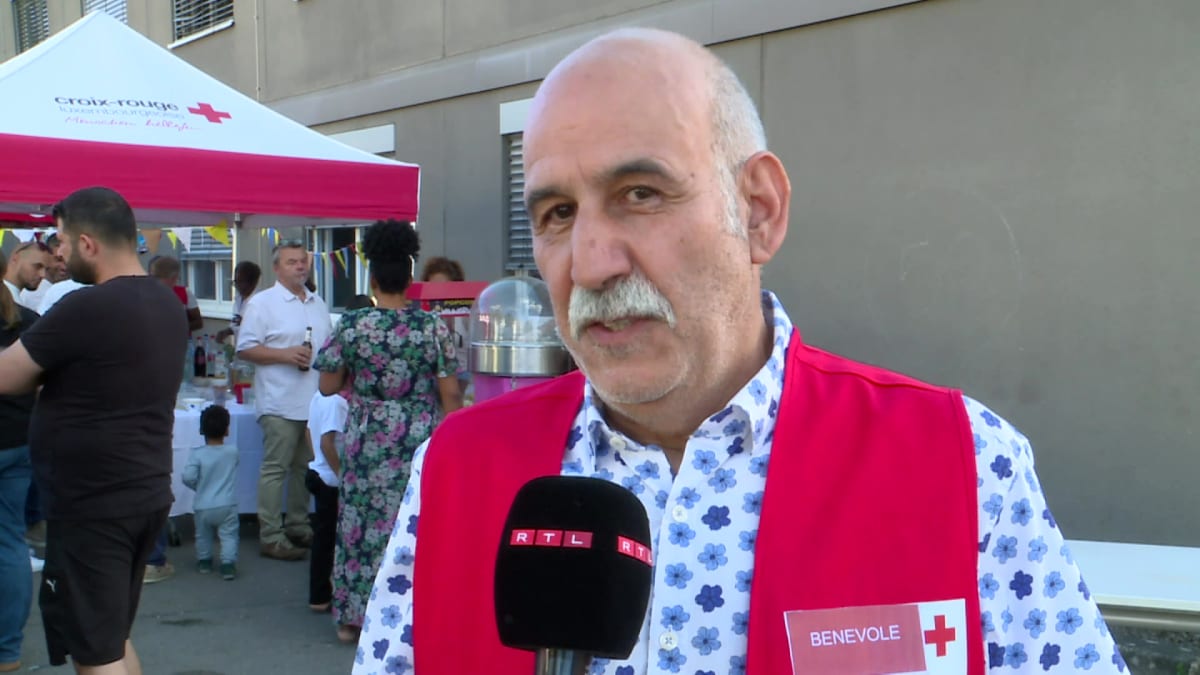
Among those volunteers is Victor Yazdani, who has shown up every week for ten years. He arrived in Luxembourg 41 years ago as a refugee from Iran and worked for the municipality for 27 years. When the center opened, officials asked him to help because he understood both sides of the refugee experience.
Yazdani remains happy to help people arriving from different countries, turning his own difficult journey into hope for others.
The Ripple Effect
The center's impact extends far beyond its containers. Local schools integrated refugee children into classrooms. Community associations invited families to events. Neighbors became mentors. Each small act of inclusion created larger patterns of belonging.
Family Affairs Minister Max Hahn emphasized that centers like Dudelange work because they treat housing as a beginning, not an ending. From day one, residents learn languages, explore local culture, and prepare for jobs or education. The goal is always moving forward.
That approach matters more than ever. Hahn reports that Luxembourg faces continued pressure from refugee arrivals, with many Ukrainians currently fleeing recent Russian bombardments. Each person arrives exhausted from a long journey, and reaching Luxembourg doesn't mean that journey is over.
But in Dudelange, at least, it means arriving somewhere built on cooperation instead of fear. A place where former refugees volunteer to help new arrivals, where mayors hold community meetings before opening centers, and where shipping containers on an old factory site become symbols of what communities can achieve together.
Ten years proves the model works.
More Images
Based on reporting by Google News - Cooperation Success
This story was written by BrightWire based on verified news reports.
Spread the positivity!
Share this good news with someone who needs it