653 Endangered Frogs Released After California Wildfire
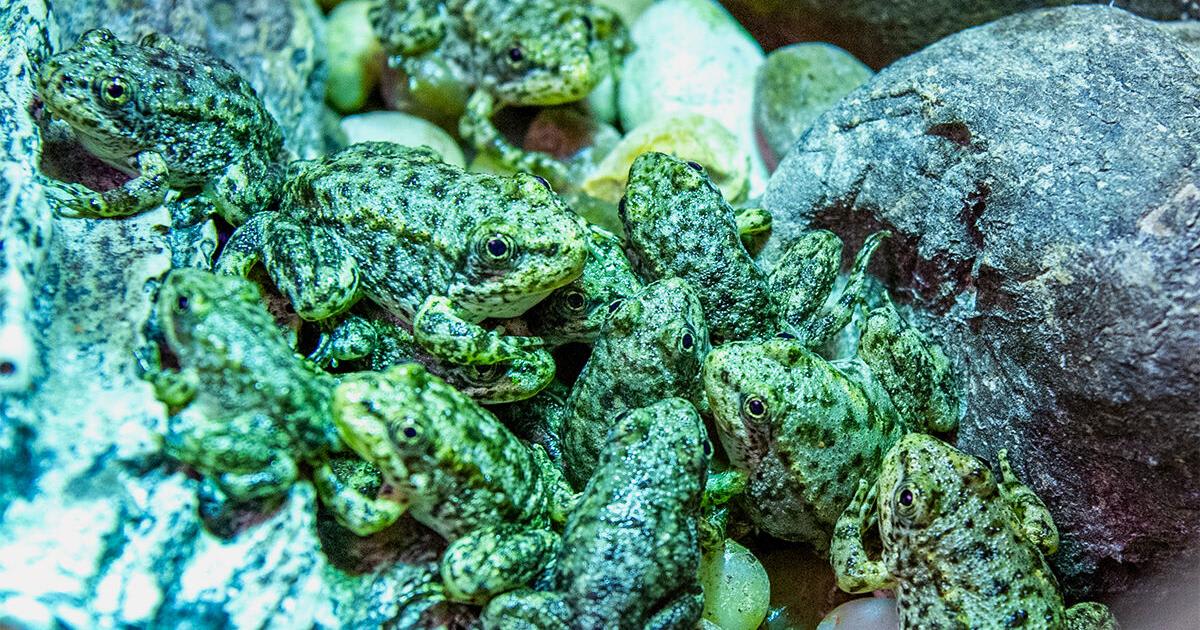
After the catastrophic 2020 Bobcat Fire nearly wiped out an entire frog species, zoos and aquariums joined forces to raise and release hundreds of rescued tadpoles back into California's mountains. The Southern mountain yellow-legged frog is fighting its way back from the brink.
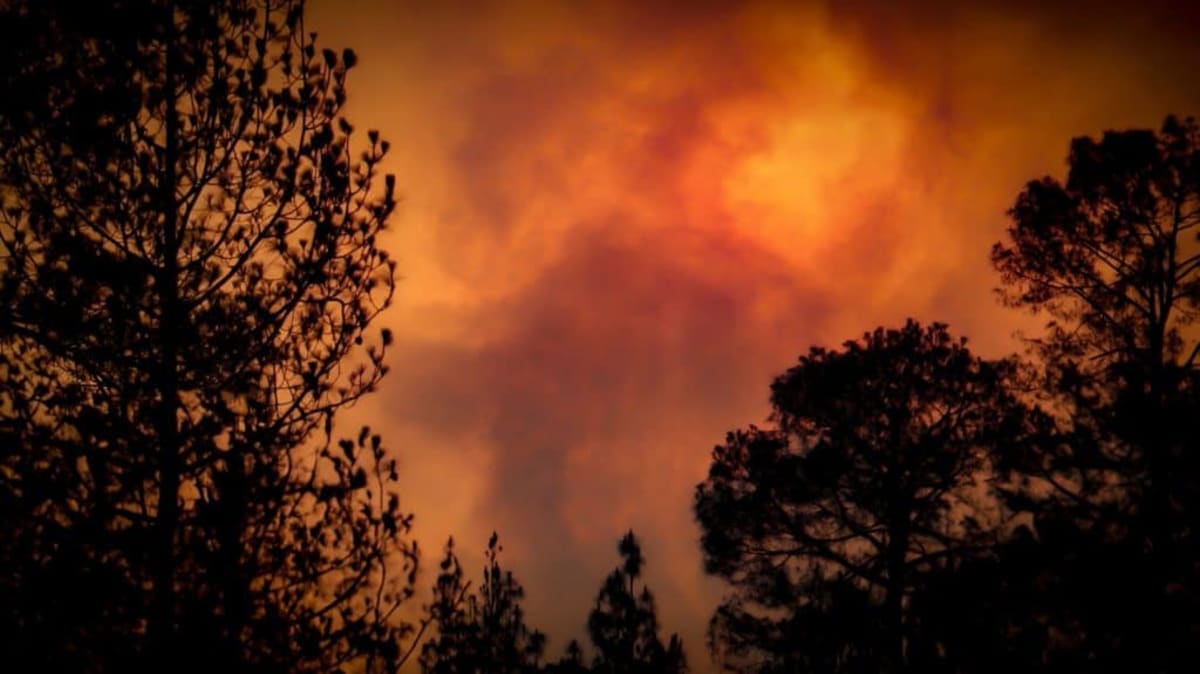
When the Bobcat Fire tore through 180 square miles of Southern California mountains in 2020, it didn't just burn trees. It destroyed the cold mountain streams where one of the state's rarest frogs was hanging on by a thread.
The Southern mountain yellow-legged frog was already in trouble before the flames arrived. Introduced trout ate their tadpoles, a deadly fungal disease swept through populations, and pollution drifted into their mountain homes. The wildfire nearly finished what decades of threats had started.
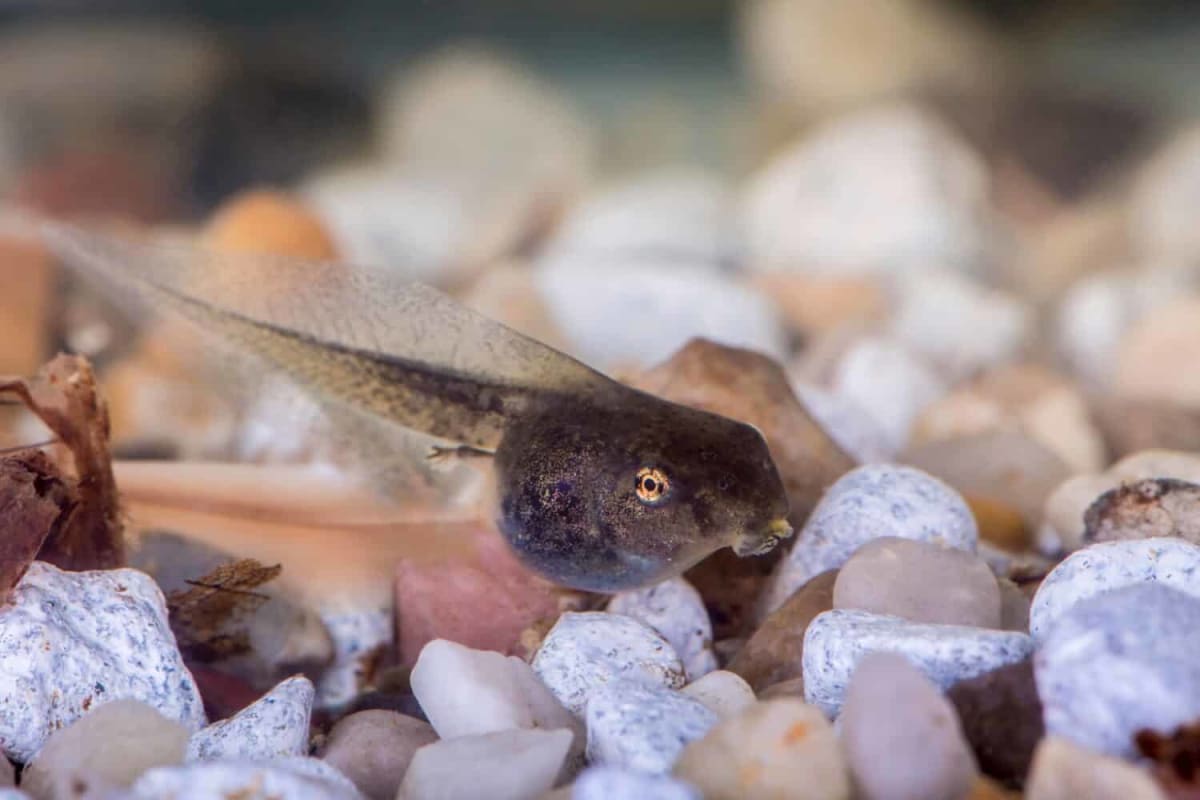
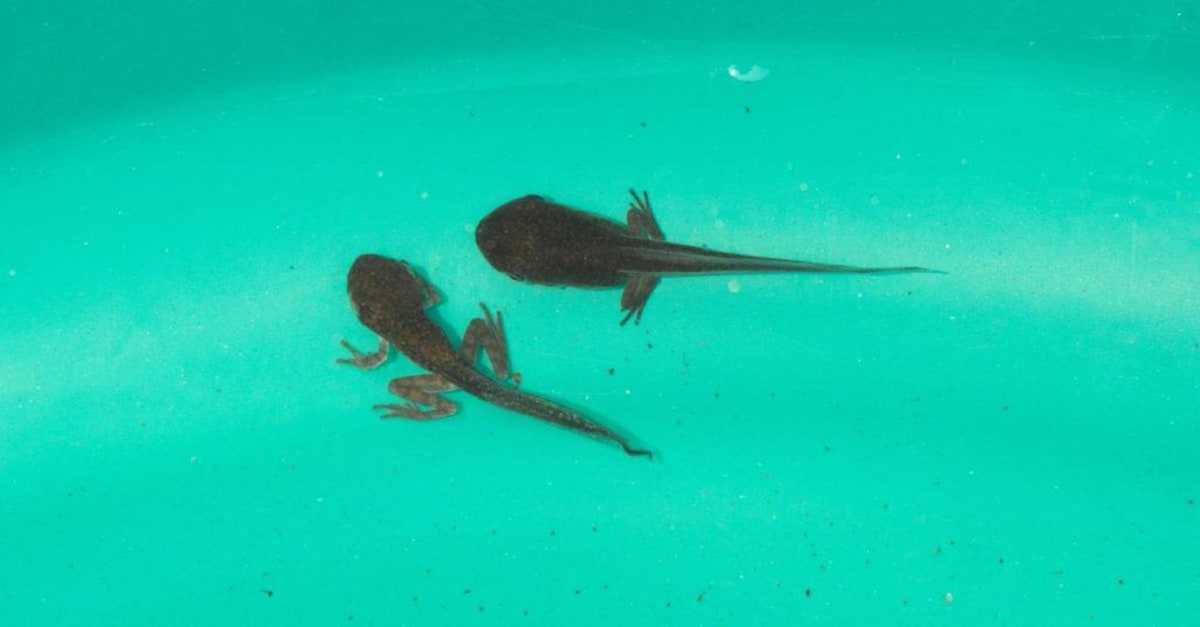
But federal biologists and forest rangers had a plan. Racing against time, they scooped up tadpoles from scorched stream beds and rushed them to the Los Angeles Zoo and Aquarium of the Pacific. Luckily, the zoo already had a breeding colony ready to help.
What happened next took years of patient work. Scientists raised the tiny tadpoles through metamorphosis into froglets, then into full-grown frogs, a process called headstarting. It sounds simple, but keeping hundreds of delicate amphibians alive through every vulnerable stage of development requires round-the-clock care.
This spring, teams from the Aquarium of the Pacific, Los Angeles Zoo, and U.S. Geological Survey carried 653 frogs back to their native mountain streams. Of those, 394 came from the Aquarium's breeding program alone. The Aquarium has now headstarted over 1,000 frogs total.
The Bright Side
These frogs have a secret weapon scientists didn't expect. The species can live up to 21 years, far longer than most frogs. That long lifespan means female frogs can skip breeding during tough years and wait for better conditions, helping populations bounce back from disasters like wildfires.
"The more frogs there are in their native habitat, the better the chance of increasing their survival," says Erin Lundy, the Aquarium's conservation initiatives manager. Each release improves the odds that this species will still be hopping through California's mountains for generations to come.
The frogs now have partners watching their backs. The U.S. Fish and Wildlife Service, Forest Service, and California Department of Fish and Wildlife are monitoring the released populations. Habitat restoration work is underway in burn zones.
Visitors can help too by staying on marked trails, respecting closed areas, and leaving frog habitats undisturbed. Sometimes the best thing we can do for wildlife is simply give them space to recover.
These 653 frogs represent more than a number—they're proof that when disaster strikes an endangered species, fast action and teamwork can rewrite the ending.
More Images
Based on reporting by Google: species saved endangered
This story was written by BrightWire based on verified news reports.
Spread the positivity!
Share this good news with someone who needs it