65% of Journalists Find Meaning Despite Growing Pressures
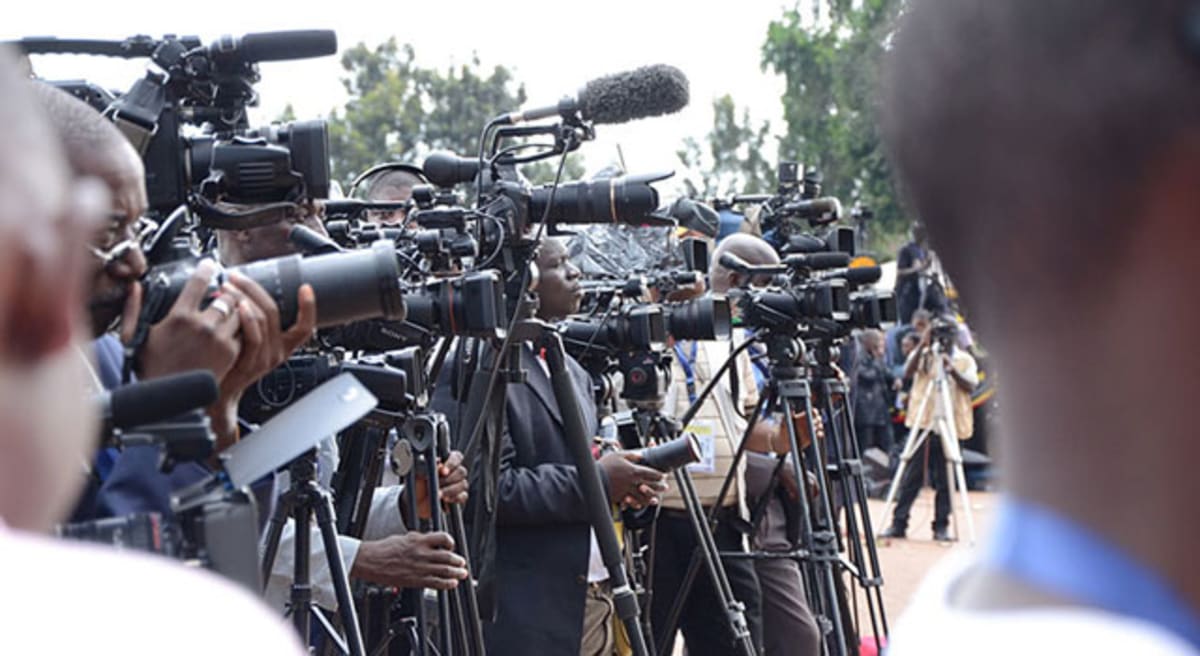
Even as newsrooms face funding cuts and safety threats, two-thirds of journalists worldwide say their work still feels meaningful. A new global survey reveals a profession staying committed to truth despite mounting challenges.
In an era of shrinking budgets and rising misinformation, journalists around the world are holding onto what matters most: the purpose behind their work.
The State of Journalism 2026 report surveyed over 1,000 journalists across seven continents and found that 65% still describe their work as meaningful. That's the top word they chose, even when given options like exhausting, precarious, or exciting.
The survey, conducted by Muck Rack, paints a picture of a profession under pressure but refusing to break. Nearly half of journalists (47%) say their work feels exhausting, and 38% call it precarious. Yet 43% also find it rewarding, and 32% still feel the thrill of the chase.
Today's newsroom looks different than it did a decade ago. Just 58% of journalists work full-time staff positions at traditional media organizations. The rest are cobbling together careers as freelancers, contractors, or independent publishers, creating a more flexible but less stable industry.
The challenges are real and growing. Lack of funding and disinformation both topped the list of concerns at 32%. More than half of journalists say misinformation has made their job harder in the past year, as verifying facts becomes increasingly complex in the digital age.
Artificial intelligence is reshaping the field faster than many expected. A striking 82% of journalists now use some form of AI in their work. At the same time, 26% worry about unchecked AI in journalism, a significant jump from the previous year.
Workloads keep expanding beyond core reporting duties. About 62% of journalists say their responsibilities have grown, though 56% feel supported with adequate tools and guidance. Time pressure remains constant, with many reporters struggling to meet their own standards under tight deadlines.
Safety concerns affect how nearly a third of journalists do their work. Threats, harassment, and other risks both online and offline shape decisions about what stories to pursue and how to report them.
Why This Inspires
Despite everything stacked against them, journalists keep showing up. They're adapting to new technologies, finding creative ways to fund their work, and navigating threats to bring communities the information they need. More than half say they feel confident about their long-term career prospects, a quiet testament to resilience.
The story of journalism in 2026 isn't about an industry thriving without struggle. It's about people who believe so deeply in the value of truth that they keep reporting even when conditions get harder. They're exhausted, yes, but they're still here, still committed, still finding meaning in holding power accountable and sharing stories that matter.
That commitment to purpose over comfort is what keeps democracies informed and communities connected.
Based on reporting by Myjoyonline Ghana
This story was written by BrightWire based on verified news reports.
Spread the positivity!
Share this good news with someone who needs it