665 Cancer Models to Speed Up Personalized Treatment
Scientists just built the world's most complete collection of cancer models that act just like real tumors, giving researchers powerful new tools to find treatments that work for each patient. The free resource covers 25 cancer types and could fast-track breakthrough therapies.
Cancer researchers now have access to a game-changing library that could revolutionize how we develop personalized treatments.
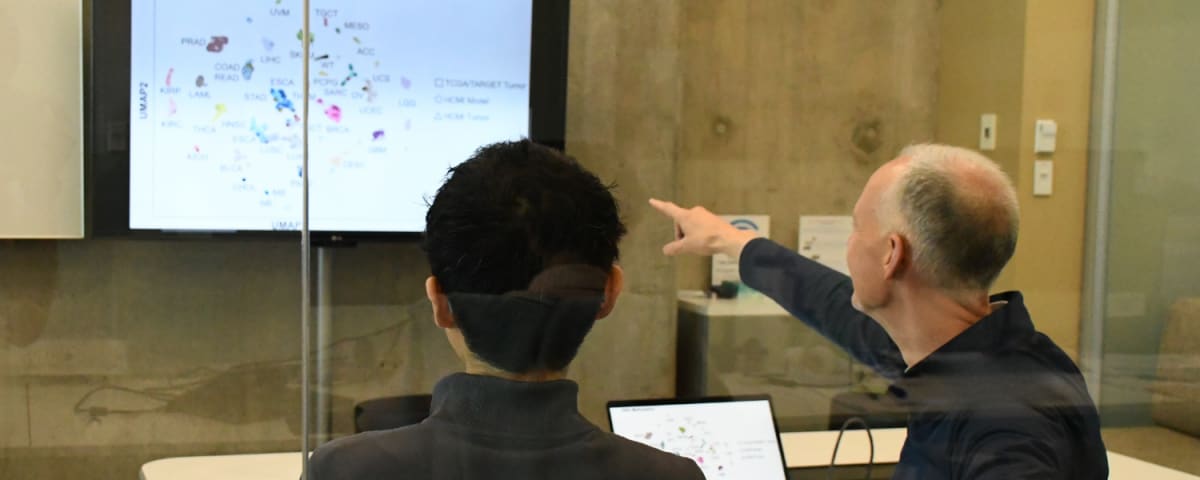
An international team has created the most comprehensive collection ever of cancer cell models paired with the actual human tumors they came from. The collection includes 665 models covering 25 different cancer types, and each one comes with detailed genetic information that helps scientists understand exactly how that cancer behaves.
Think of these models as practice versions of real tumors. Scientists can test treatments on them without putting patients at risk. The closer these models match the original tumor, the better they predict which treatments will actually work in real patients.
Previous collections had a big problem. They lacked the clinical details and genetic data scientists needed to connect what they saw in the lab to what happens in patients. This new resource fixes that gap by including deep molecular profiles for each model and its matched tumor.
Dr. Peter Laird from Van Andel Institute helped lead the project. "One of the biggest challenges in cancer research is developing models that retain characteristics of the original tumors and behave in the culture dish like they do in the body," he said. The new collection solves this problem with rigorously tested models that closely mirror their source cells.
The numbers tell an encouraging story. Of the 665 models, 522 include comprehensive clinical data that doctors can use. Another 153 represent rare cancers that desperately need more research attention. And 71 come from people of non-European ancestry, helping ensure future treatments work for everyone.
Researchers built the collection using two approaches. Cell line models grow cancer cells in flat layers, while organoids are three-dimensional clusters suspended in gel that mimic how tumors actually grow in the body. Both give scientists controlled environments to study cancer's finest details and test potential treatments.
The project is part of the Human Cancer Models Initiative, a collaboration between the National Cancer Institute, Cancer Research UK, the Wellcome Sanger Institute, and Hubrecht Organoid Technology. It builds on earlier work from The Cancer Genome Atlas, which mapped 33 cancer types across 10,000 tumors.
The Ripple Effect
This resource does more than help individual patients. By making these models freely available to researchers worldwide, it creates a shared foundation for cancer science. Labs across the globe can now work with the same high-quality tools, comparing results and building on each other's discoveries. That collaboration speeds up the pace of breakthroughs for everyone.
Scientists can access the full collection and related resources at cancer.gov. The research appears in the journal Nature as part of a three-study package advancing precision cancer care.
Every cancer is unique, and this collection gives researchers the tools to honor that uniqueness with treatments designed for each patient's specific tumor.
More Images

Based on reporting by Google News - New Treatment
This story was written by BrightWire based on verified news reports.
Spread the positivity!
Share this good news with someone who needs it