7 European Cities Named World's Most Walkable Destinations
A new travel index reveals Europe dominates the world's most walkable cities, with seven spots in the top 10. Spanish Córdoba claims the crown, offering visitors 29 walking trails and attractions just 26 minutes apart on foot.
Europe just scored a major win for slow travel lovers and anyone who prefers exploring cities on foot instead of stuck in traffic.
Travel platform Skyscanner analyzed 14 factors including distances between attractions, walking trails, air quality, and safety to rank the world's most walkable up-and-coming destinations. The results show Europe claiming seven of the top 10 spots, proving you don't need complicated transport plans to see the continent's hidden gems.
Córdoba, Spain topped the list as the world's most walkable city. The Andalusian treasure lets visitors explore its UNESCO World Heritage Old Town, stunning La Mezquita mosque, and historic palaces in just 26 minutes of walking. Even better, the city offers 29 walking trails for those wanting to venture beyond the main attractions.
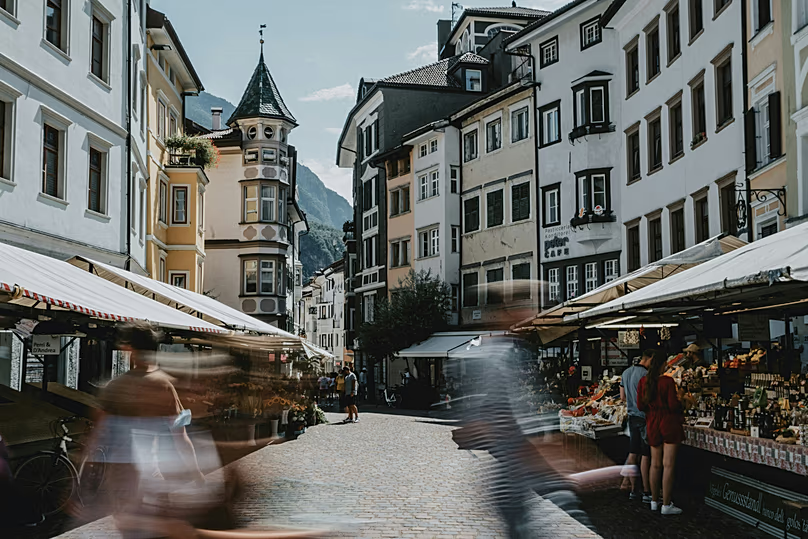
Italy secured two spots with Reggio Calabria and Bolzano. Reggio Calabria's coastal attractions require only 25 minutes and 2,321 steps to explore, while Bolzano, gateway to the Dolomites, boasts 505 walking trails and ranks as the safest city on the entire list.
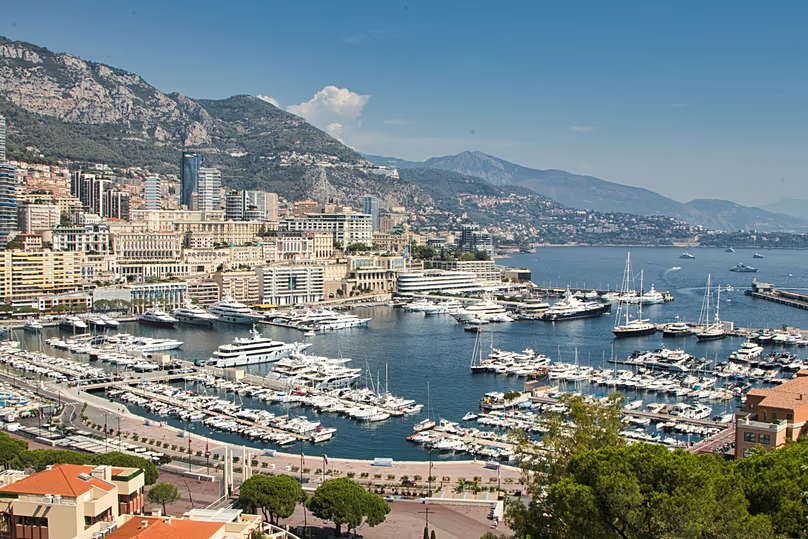
Monte Carlo surprised analysts by proving highly walkable despite its reputation for superyachts and luxury cars. The entire city spans less than one square kilometer, making designer shopping streets and ocean views easily accessible on foot (just watch out for steep hills).
Lesser-known Tartu, Estonia earned recognition as the 2024 European Capital of Culture and the destination with the lowest air pollution on the list. Visitors can stroll through the pretty old town, admire street art, and enjoy riverside walks while breathing the cleanest city air in the ranking.
Bursa, Turkey and Sarajevo, Bosnia and Herzegovina round out Europe's entries. Bursa blends Ottoman heritage with natural hot springs, while Sarajevo offers cobbled streets and mountain views along the Miljacka River.
The Ripple Effect
This walkability trend signals a shift toward sustainable tourism that benefits both travelers and local communities. Cities built for pedestrians mean cleaner air, safer streets, and more opportunities for visitors to support local shops and restaurants instead of chain stores near tourist bus stops.
Walking cities also combat overtourism by spreading visitors naturally throughout neighborhoods rather than concentrating crowds at transit hubs. When attractions sit just minutes apart on foot, travelers discover hidden cafes, meet locals, and create authentic experiences that rushed transport schedules never allow.
These seven European cities prove the best adventures happen at walking pace.
More Images
Based on reporting by Euronews
This story was written by BrightWire based on verified news reports.
Building Something New? Try the BrightWire Tech Stack Advisor
Compare modern frameworks, cloud hosting, and AI tools tailored to your project budget and scale.
Spread the positivity!
Share this good news with someone who needs it