7 'Turtle Women' Save 208 Endangered Turtles in Amazon
In Ecuador's Amazon, seven Indigenous Siekopai women are rescuing vulnerable charapa turtles by protecting nests and hatching eggs using ancestral wisdom and modern tech. Their work honors a sacred belief that turtles connect the physical and spiritual worlds.
Seven Indigenous women are combining ancient knowledge with smartphone apps to save one of the Amazon's most threatened turtles, and the results are swimming proof that tradition and technology make powerful partners.
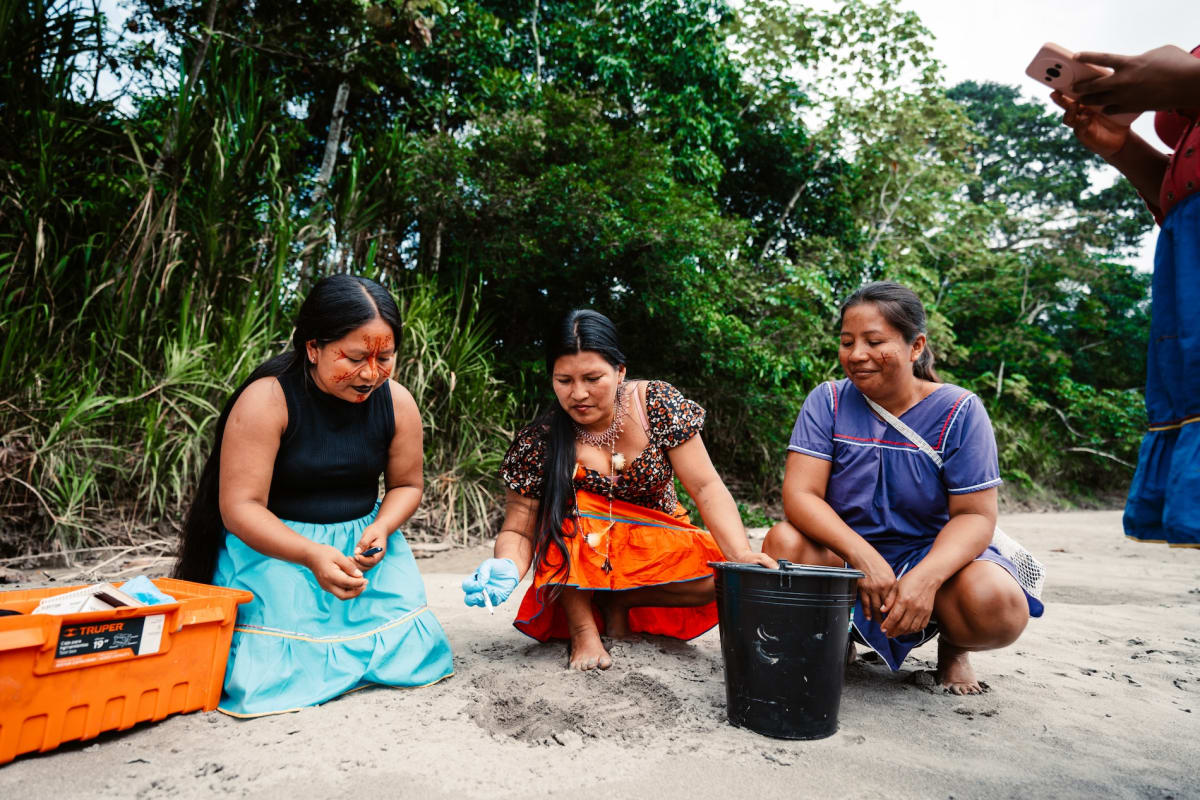
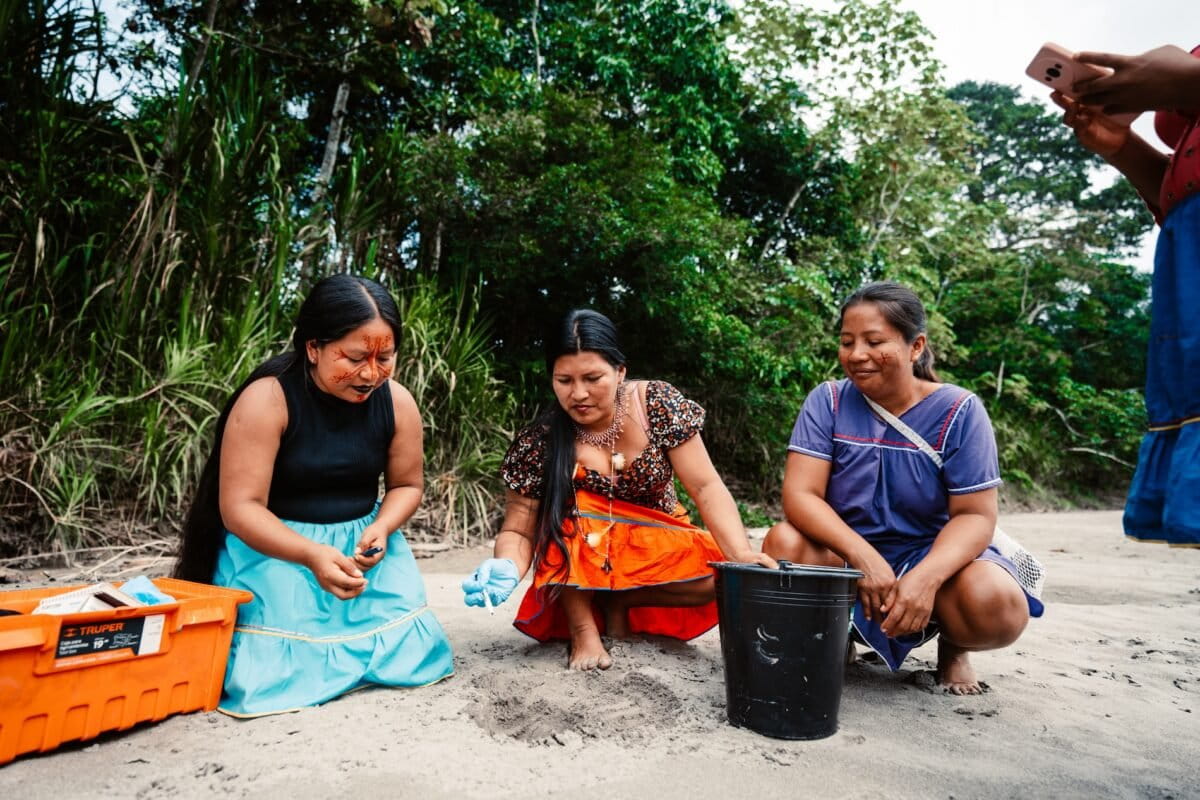
On the banks of Ecuador's Aguarico River, the Siekopai women call themselves Tari Nomiowa'i, which means "turtle women." They patrol riverbanks searching for the nests of charapa turtles, also known as yellow-spotted Amazon River turtles, which have declined sharply due to egg harvesting, hunting, and pollution.
When the women find turtle tracks, they carefully collect eggs using skills passed down through generations. Janeth Piaguaje, who leads the project, learned the delicate technique from her father, including which dates and months to expect nests.
But here's where tradition meets innovation. The women log every detail into Epicollect5, a field data collection app, recording the date, time, location, and number of eggs in each nest before transporting them to a protected incubation facility.
Once safely away from predators, flooding, and the garbage and oil pollution that plague the river, the eggs hatch under careful watch. The women then raise the baby turtles for another month, feeding them cassava, sweet potato, and taro leaves.
Their dedication paid off beautifully. During the 2025-26 nesting season, they collected 235 eggs and successfully hatched and released 208 hatchlings into the Aguarico River this past March and April.
The Ripple Effect
The turtle women invited local schoolchildren to the releases and hosted educational workshops. One young girl's promise especially moved Piaguaje: "I'm going to take care of them. I'm going to tell them not to touch the eggs."
That's exactly the cultural shift needed, because for the Siekopai people, these turtles represent far more than wildlife. According to ancestral belief, each turtle swims under the protection of Koouwajëo, the spiritual chief and guardian who connects the visible and spiritual worlds.
"When we protect turtles, we don't just care for a species," Piaguaje explained. "We honor the spirits of the river, strengthen our culture, and maintain the sacred pact between our community and nature."
The women also tackle pollution directly, cleaning beaches where turtles nest despite challenges they can't fully control, like boat traffic eroding riverbanks and rising water levels from climate change flooding nesting sites. The charapa turtle is listed as vulnerable by the IUCN, the global conservation authority.
Through their work, these seven women are proving that the most effective conservation often happens when communities lead with their own knowledge, values, and determination to protect what matters most.
More Images
Based on reporting by Mongabay
This story was written by BrightWire based on verified news reports.
Spread the positivity!
Share this good news with someone who needs it