7 Ways to Keep Aging Parents' Brains Sharp and Healthy
Millennial caregivers can help delay memory decline in aging parents through simple daily actions. Doctors say early intervention and lifestyle changes make a real difference in brain health.
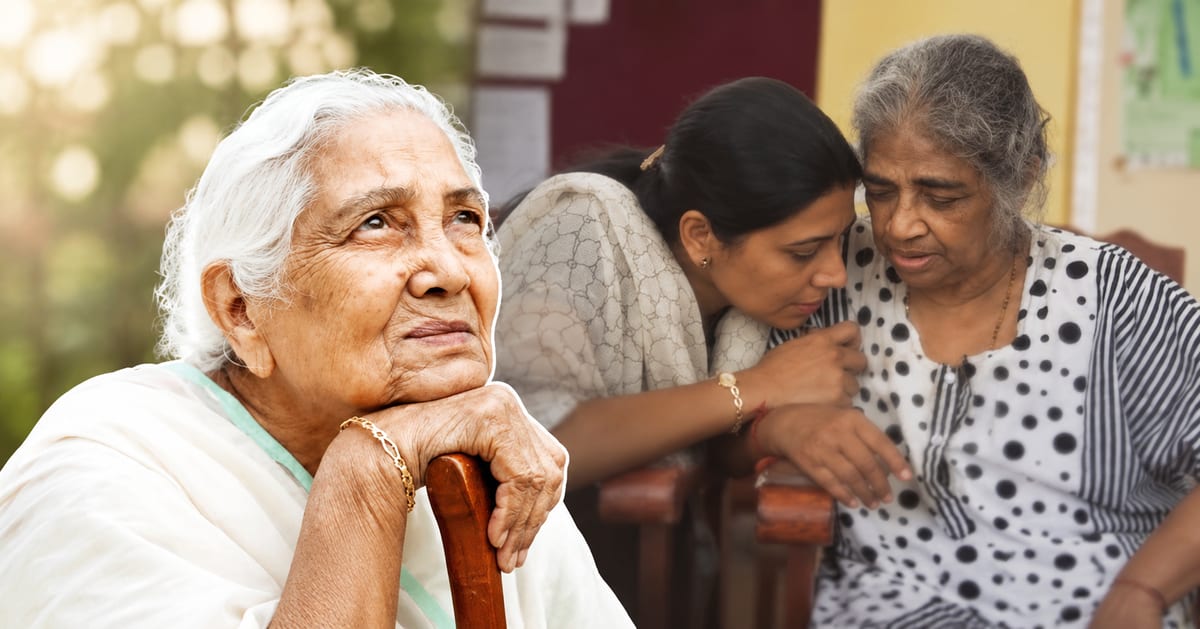
You notice it first on video calls. Your mom tells the same story twice in one conversation, or your dad pauses mid-sentence, searching for a word that won't come.
Many adult children brush these moments off as normal aging. Most of the time, that's exactly what it is. But doctors who specialize in aging brains say knowing the difference between ordinary forgetfulness and early warning signs can buy families precious years.
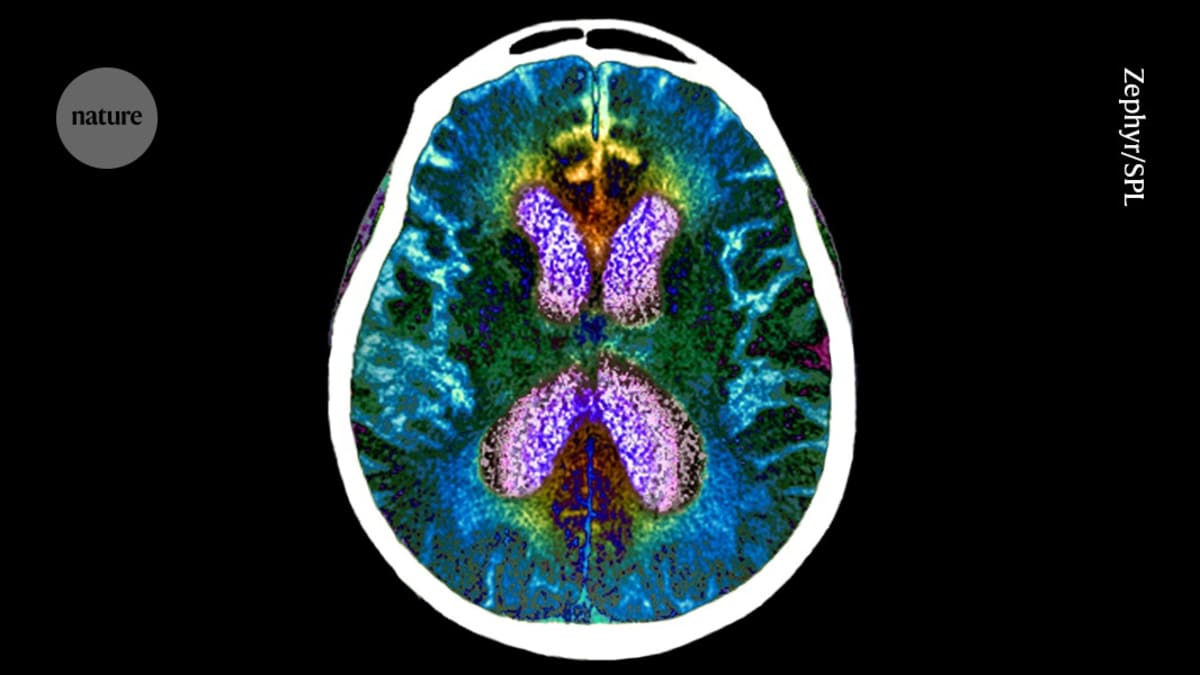
Alzheimer's affects over 8.8 million Indians, roughly 7.4% of people over 60. That number is expected to double by 2050. Yet only one in ten Indians with dementia ever gets diagnosed, often because families miss early signs or assume memory loss is inevitable.
It isn't. Dr Harjit Singh, a geriatrician at Delhi's Sitaram Bhartia Institute, treats memory decline as something you can delay with intention and support.
His advice for long-distance caregivers is surprisingly practical. Push parents toward real exercise, including strength training, not just walks. Help them learn something new, whether it's a language or navigating a smartphone app.
Teach digital skills through their grandkids, since apps give aging brains a workout that passive TV watching never will. Encourage them to build an actual social circle beyond family, since isolation speeds decline.
Professor Prasun Chatterjee at Apollo Hospitals takes this further. He built India's first program where elderly volunteers teach underprivileged schoolchildren. Structured volunteering gives retirees purpose and keeps minds sharp through daily engagement.
The World Health Organization backs these approaches. Managing blood pressure and diabetes, staying active, quitting smoking, eating well, and staying social are the most reliable ways to lower dementia risk.
The Ripple Effect
When families support brain health early, they're not just helping one person. Dr Pranav Mehta, a Mumbai neurologist, notes that families who catch warning signs early, like slurred speech, sudden imbalance, or vision changes, can access treatment when it matters most.
World Alzheimer's Day on September 21 isn't about doom. It's about action. Teaching your parent to video call their friends, encouraging them to join a community group, or helping manage their diabetes are small steps that compound over years.
The best news? You don't need a medical degree to make a difference, just a willingness to help aging parents stay curious, connected, and moving.
More Images
%2Fenglish-betterindia%2Fmedia%2Fmedia_files%2F2026%2F09%2F18%2F1-2026-09-18-17-00-25.png)

%2Ffilters%3Aformat(webp)%2Fenglish-betterindia%2Fmedia%2Fmedia_files%2F2026%2F09%2F18%2F2-2026-09-18-17-05-25.png)
%2Ffilters%3Aformat(webp)%2Fenglish-betterindia%2Fmedia%2Fmedia_files%2F2026%2F09%2F18%2F3-2026-09-18-17-06-37.jpg)
Based on reporting by The Better India
This story was written by BrightWire based on verified news reports.
Spread the positivity!
Share this good news with someone who needs it