70 Diplomats Visit Ethiopia's 800-Year-Old Rock Churches
Over 70 ambassadors and UN representatives traveled to Lalibela, Ethiopia, to witness 11 churches carved entirely from volcanic rock in the 13th century. The visit strengthened global partnerships to protect one of Africa's most extraordinary cultural treasures.
When diplomats from 40 countries stood before churches carved from solid rock 800 years ago, they called the sight "out of this world."
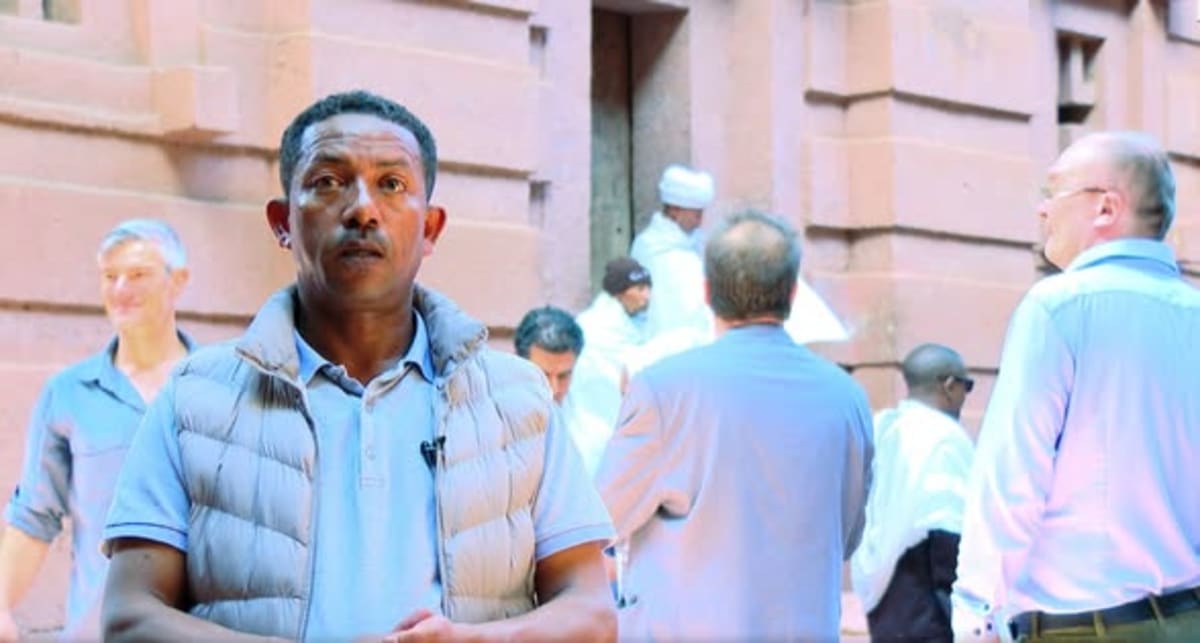
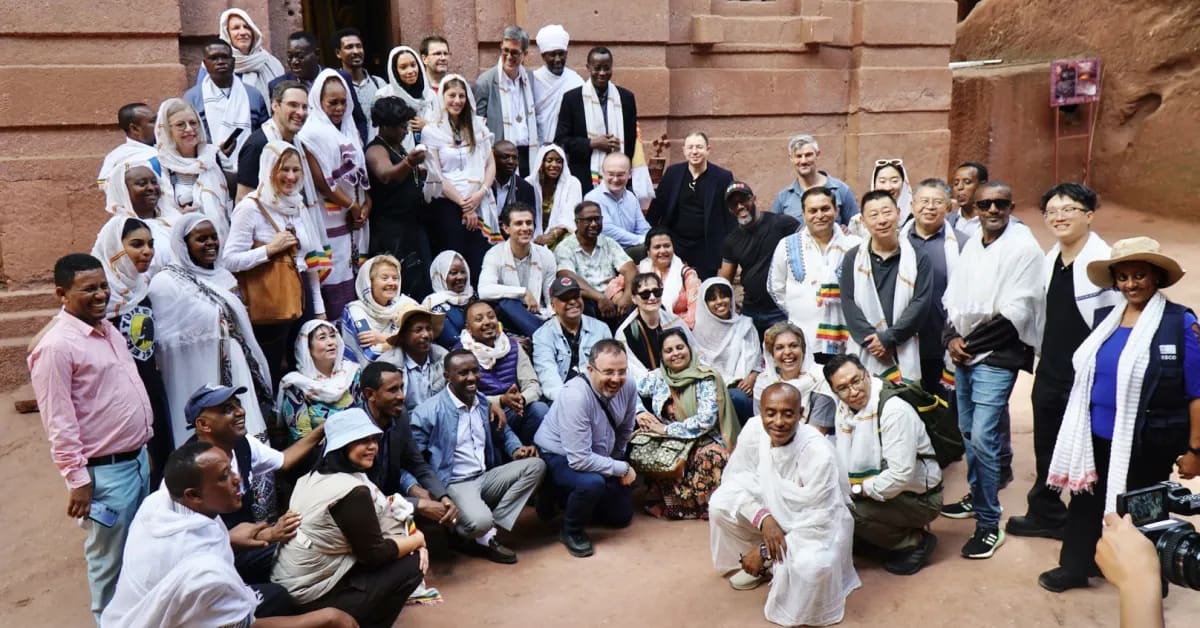
In early July 2026, more than 70 ambassadors, UN representatives, and development partners visited the Rock-Hewn Churches of Lalibela in Ethiopia. The two-day diplomatic mission aimed to strengthen international cooperation for protecting this remarkable UNESCO World Heritage site.
The 11 monolithic churches were carved directly from living volcanic rock in the 13th century. Designed as a "New Jerusalem," these structures represent an exceptional achievement of medieval architecture and engineering that continues to baffle modern observers.
Today, the churches remain a vibrant place of worship and pilgrimage for Ethiopian Orthodox Christian communities. Visitors explored both groups of churches located on opposite sides of the Jordan River, including Bete Medhane Alem, Bete Mariam, and the iconic Bete Ghiorgis.
UNESCO organized the visit in partnership with Ethiopia's Ministry of Tourism, the Ethiopian Heritage Authority, the Ethiopian Orthodox Tewahedo Church, and the Sustainable Lalibela Project supported by France. The collaboration demonstrates how cultural heritage brings diverse partners together for a common cause.
Beyond admiring the architecture, participants met with local communities and religious custodians. These conversations revealed both the importance of preservation and the real challenges of protecting a living heritage site that serves active worshipers daily.
The Ripple Effect
The visit highlighted how heritage conservation creates benefits far beyond preserving ancient stones. For decades, UNESCO has worked with Ethiopia to ensure conservation efforts support sustainable development and benefit local communities who serve as custodians of this living heritage.
The timing proved especially meaningful as Lalibela recovers from challenges that affected tourism and local livelihoods in recent years. International support helps ensure that the site's cultural, spiritual, and economic benefits continue flowing to the community.
Participants reaffirmed that protecting World Heritage sites requires collective commitment and continued dialogue with all stakeholders. Culture has a unique power to bring people together, strengthen mutual understanding, and contribute to peace.
The churches have inspired the world since UNESCO inscribed them on the World Heritage List in 1978, and this visit proved their power to unite people remains as strong as the volcanic rock from which they were carved.
More Images


Based on reporting by Regional: ethiopia development (ET)
This story was written by BrightWire based on verified news reports.
Spread the positivity!
Share this good news with someone who needs it