70% of Singapore Commuters Trust AI in Public Transport
A new survey reveals overwhelming support for AI and automation in Singapore's trains, even as younger riders voice concerns about human oversight. The technology is already working behind the scenes to keep 2.5 million daily journeys running smoothly.
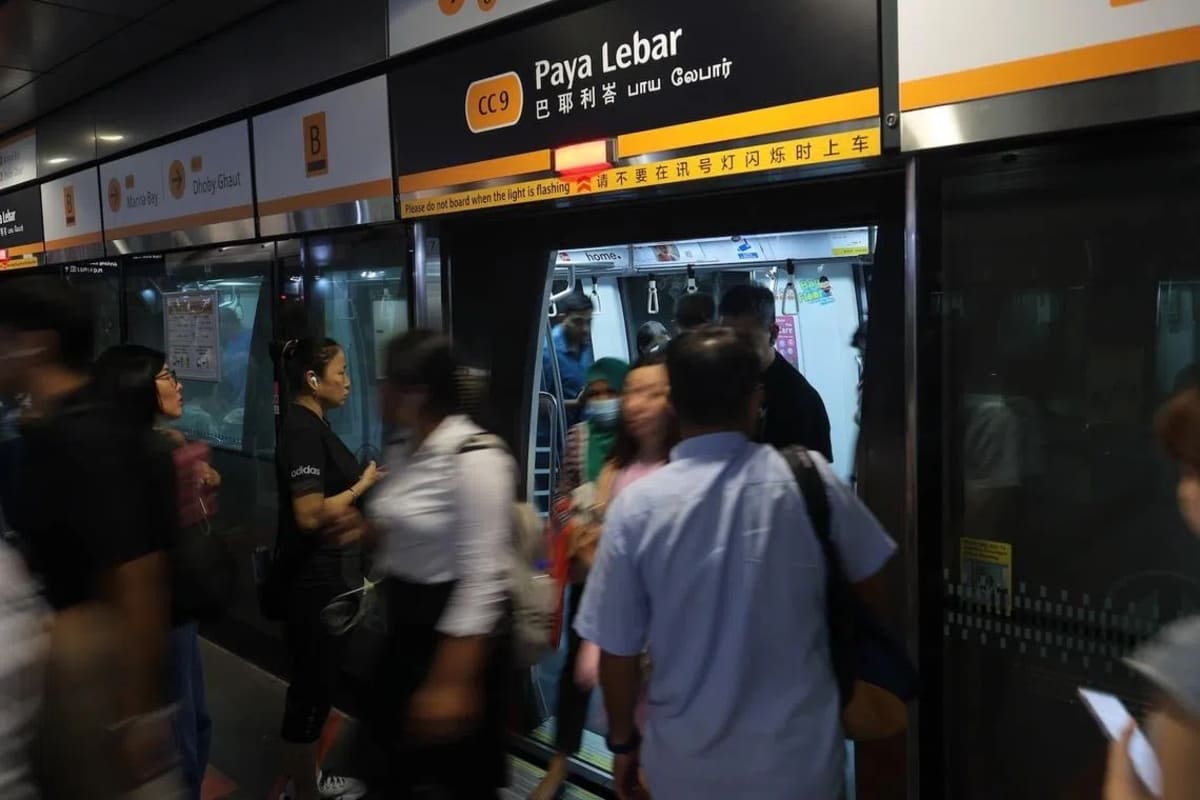
Simran Kaur never thinks twice about her morning commute from Punggol to Bugis. The 26-year-old student simply walks to the platform knowing a train will arrive in minutes, trusting the system just works.
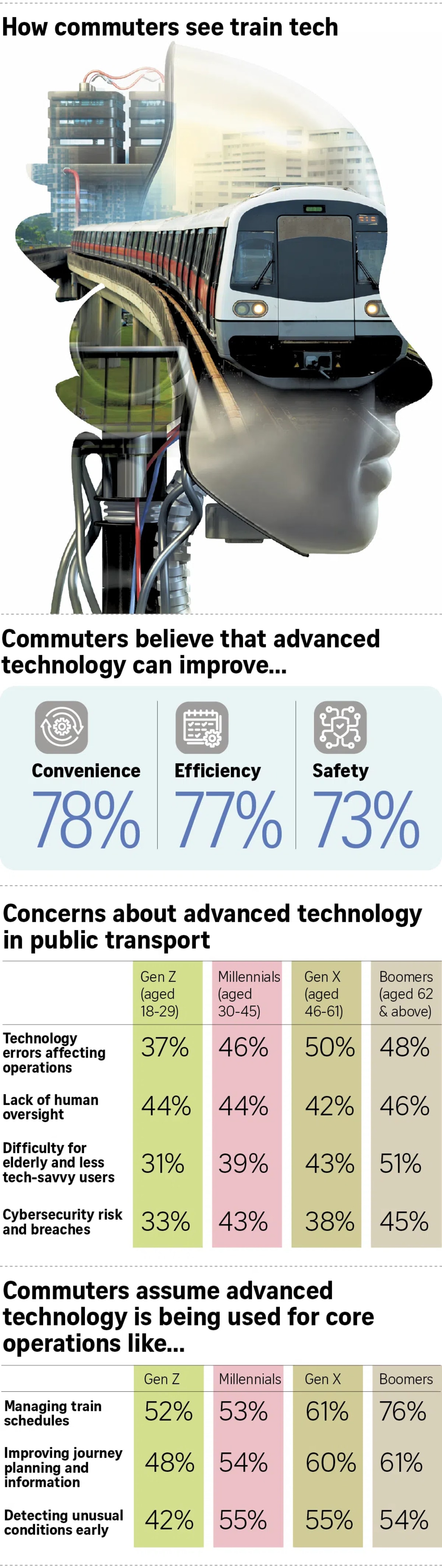
What she doesn't see is the artificial intelligence quietly coordinating her journey. A February 2026 survey of 1,010 Singapore commuters found that more than 70% believe advanced technology can make trains more convenient, efficient, and safe.
The reality matches their expectations. SMRT now uses AI and automation throughout its operations, from predicting maintenance needs before breakdowns happen to coordinating train movements just under two minutes apart. The Communications-Based Train Control system exchanges real-time location data between trains and trackside systems, calculating safe distances and adjusting speeds automatically.
But commuters want humans in charge, not just algorithms. Among Gen Z riders aged 18 to 29, 44% flagged potential lack of human oversight as their top concern. Kaur, who uses ChatGPT and Microsoft Copilot regularly, understands AI's limitations firsthand.
"I wouldn't be surprised if train operators are using AI now to make their jobs easier," she says. "But I don't think they should 100% depend on it."
SMRT's chief engineering officer Ang Hang Guan agrees completely. "AI can help us with decision support and propose certain solutions to us, but the final decision maker is still the human," he explains. The goal isn't replacing workers but freeing them from tedious tasks so they can focus on critical decisions.
Why This Inspires
Singapore is proving that embracing advanced technology doesn't mean losing the human touch. At Bishan Depot, autonomous vehicles now move train parts weighing up to 4,300 kilograms between workstations, sparing workers from backbreaking labor while doubling overhaul capacity from two to four six-car trains monthly.
Meanwhile, Jarvis, SMRT's new data analytics platform launched in January 2026, spots potential problems before they cause delays. Engineers can fix issues during off-peak hours instead of scrambling during rush hour.
Older commuters like Sai Jin Lee, 65, take a refreshingly practical view. The kindergarten teacher has long assumed trains run on automation and cares more about reliability than the technology behind it. "As long as it can work, then okay already," she says.
The survey found boomers aged 62 and above are most likely to believe advanced technology already manages operations. Their main concern isn't the AI itself but how it affects their experience as passengers.
Singapore's approach offers a blueprint for other cities wrestling with aging infrastructure and growing ridership: let technology handle the predictable and repetitive while keeping humans focused on judgment, oversight, and care.
More Images

Based on reporting by Google News - Singapore Technology
This story was written by BrightWire based on verified news reports.
Spread the positivity!
Share this good news with someone who needs it