India Saves Thousands of Classic Films from Disappearing
Cutting-edge technology is rescuing beloved Bollywood and regional films from decay, giving new audiences the chance to experience cinema history. Thousands of classic movies once stored in crumbling cans are now being digitally restored in stunning 14K resolution.
Your parents' favorite childhood movie might have been rotting away in a humid storage room just a few years ago. Now, thanks to advanced restoration technology, those precious film reels are getting a second life that could last centuries.
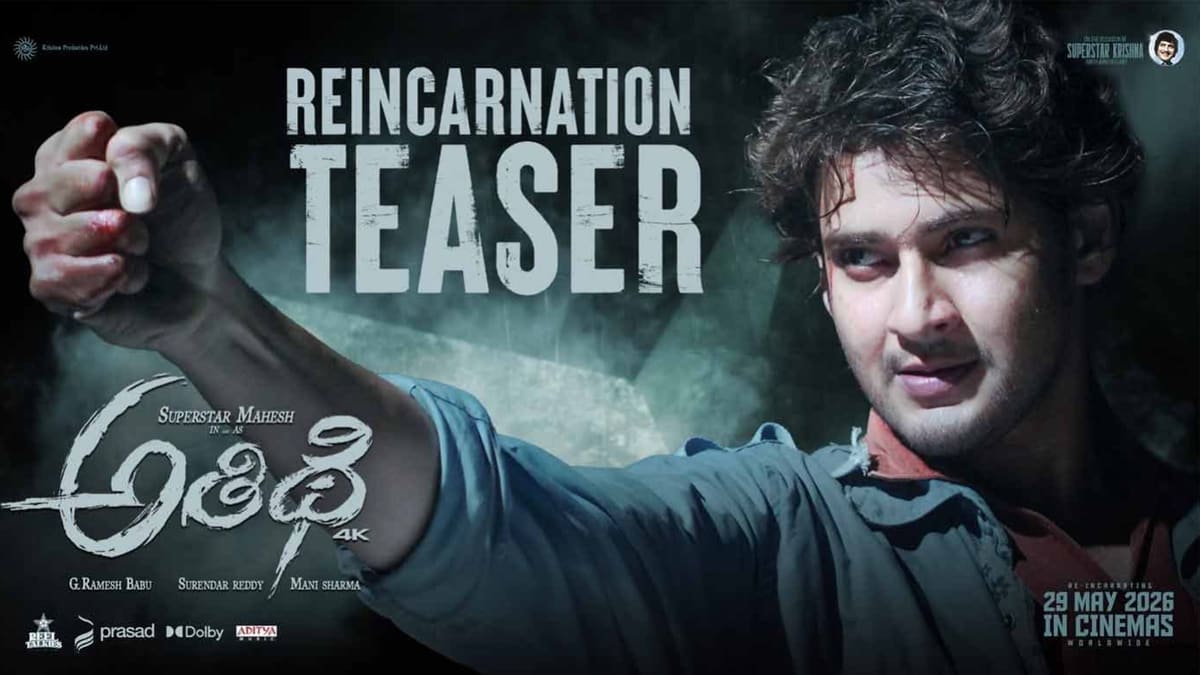
Indian film restoration companies are racing to save thousands of classic movies before they're lost forever. Prasad Corp, a leader in this effort, has already brought back Telugu hits like "Murari" and "Athadu," plus Bollywood favorites including "3 Idiots" and "Munnabhai MBBS."
The transformation is remarkable. Old camera negatives get ultrasound cleaning to remove decades of dust and oil stains. Then they're scanned in resolutions up to 14K, far beyond what modern theaters even need. The approach ensures these films will look crystal clear for another 10 to 15 years, even as projection technology continues improving.
The revival isn't just about preservation. When "Manmadhudu" returned to theaters after restoration, families packed the seats. Parents who watched it in 2002 brought their kids to share the laughter together. The same happened with "Indra" and other classics, proving nostalgia can fill theaters just as effectively as new releases.
Some films required heroic efforts. "Jagadeka Veerudu Athiloka Sundari" had no surviving negatives at all. The restoration team tracked down prints from multiple theaters across India and pieced them together like a puzzle.
The work extends beyond commercial success. The Film Heritage Foundation and National Film Archives of India have showcased restored treasures at Cannes Film Festival, including Satyajit Ray's "Aranyer Din Ratri" and this year's selection, the Malayalam film "Amma Ariyan."
The Ripple Effect
The restoration boom opened unexpected doors. Films that once made money only through theater releases and TV rights now thrive on streaming platforms. This new revenue stream convinced producers that investing in restoration makes financial sense, not just cultural sense.
The industry's massive archives are finally getting the protection they deserve. Prasad Laboratories stored copies of films it processed over decades, creating a repository so vast the company can't even count the titles. Most of these treasures now rest in climate-controlled facilities where they can survive for hundreds of years.
When restoration requires urgent attention, up to 300 people work simultaneously on a single film. The process demands 1,000 to 2,000 hours of careful frame-by-frame inspection and AI-assisted audio and video enhancement. Mono soundtracks transform into immersive Dolby Atmos experiences.
Filmmakers get the final say on how their restored movies should look. Some insist on matching the original vision exactly, while others update colors and contrasts for modern audiences.
This preservation movement rescued an irreplaceable piece of cultural history while creating jobs and profits that ensure the work continues.
Based on reporting by The Hindu
This story was written by BrightWire based on verified news reports.
Spread the positivity!
Share this good news with someone who needs it