7.4M Plant Samples Digitized to Save Endangered Species
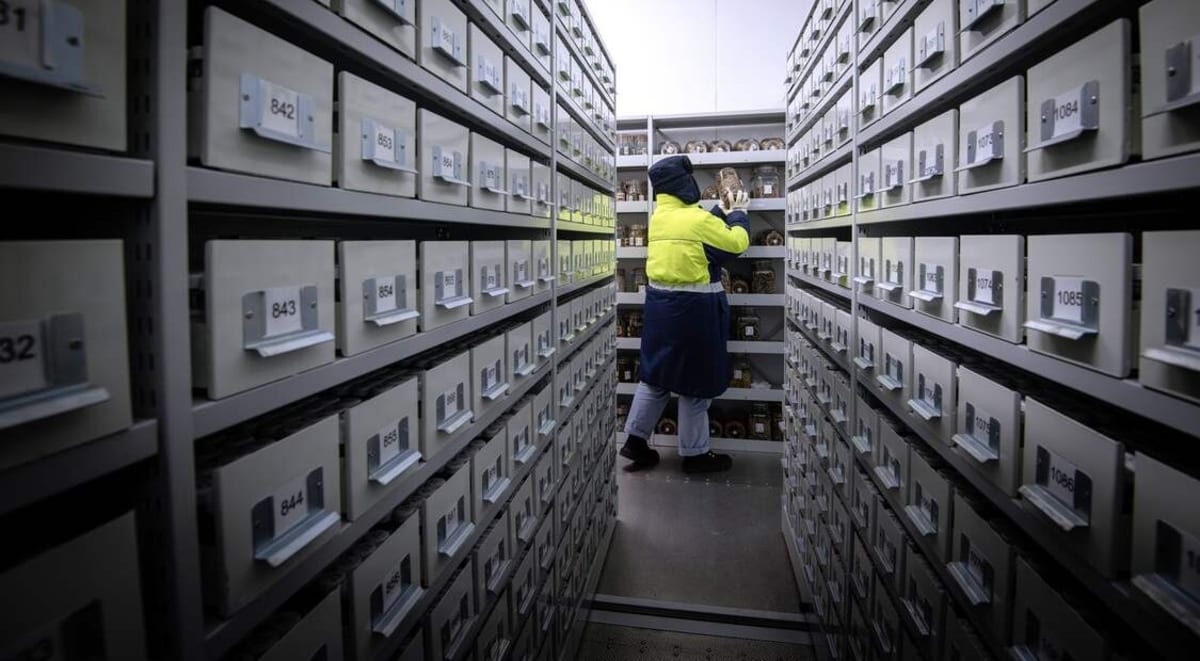
London's Royal Botanic Gardens Kew just finished digitizing all 7.4 million plant and fungi specimens in its collection, unlocking 180 years of botanical knowledge for scientists worldwide. The digital archive will help researchers discover new species, identify extinct ones, and harness AI to find lifesaving medicines hidden in nature.
Scientists just made 180 years of botanical discovery available to anyone with an internet connection, and it could help save species we didn't even know existed.
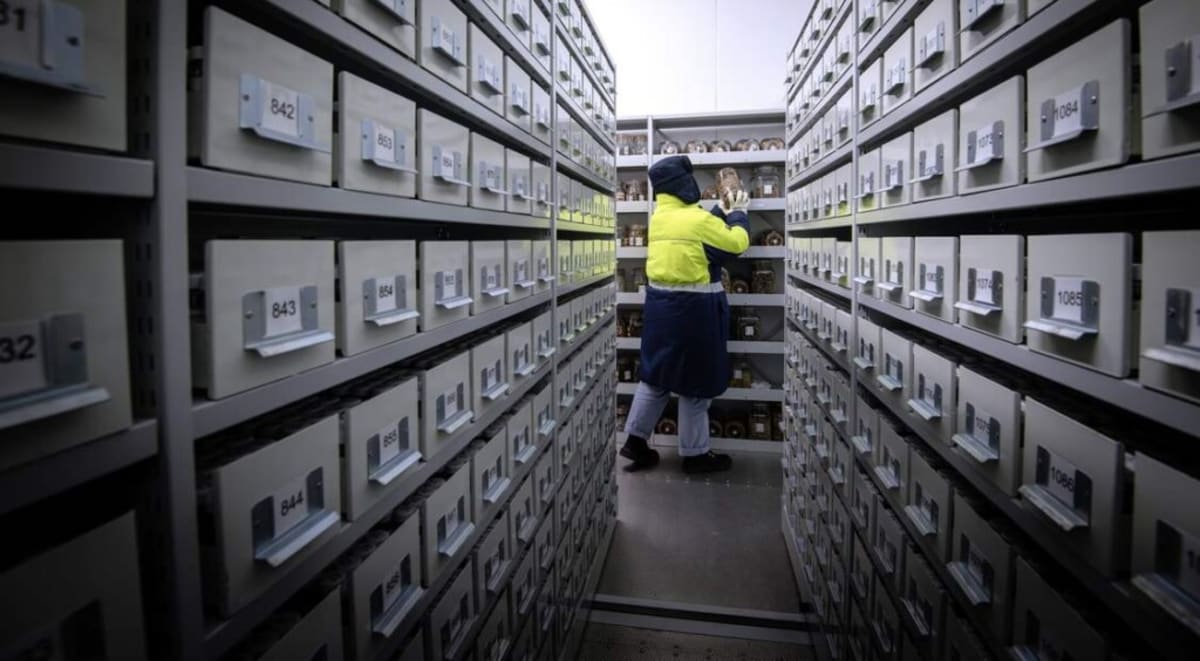
The Royal Botanic Gardens Kew in London completed a massive project to digitize every single one of its 7.4 million plant and fungi specimens. The collection includes pressed flowers, stems, and leaves gathered since the time of Charles Darwin.
The digitized samples now feed into a global archive containing 145 million plant, animal, and fungi specimens. Anyone worldwide can access them for free, whether they're a professional researcher or a curious student.
Here's where it gets exciting. AI can examine these digital images at a microscopic level, spotting differences between species that human eyes might miss. This proves especially valuable for identifying mosses and small plants that look nearly identical to each other.
"We can use this digitized information to discover new species, and also to reveal species that have gone extinct or are likely to have done so," said Alexandre Antonelli, Kew's executive director of science. The technology unlocks information that's been locked in preserved specimens for centuries.
The timing matters more than ever. Scientists identify thousands of new plant and fungi species every year, but we know almost nothing about 300,000 already documented plants. An estimated 100,000 plant species and 2 million fungi species still haven't been described at all.
Each unknown species could hold secrets that transform medicine or agriculture. Penicillin came from fungi. So did statins, the cholesterol medication that's saved millions of lives.
The digital archive also supercharges environmental DNA gathering, a technique that identifies species from biological material they shed into their surroundings. This helps scientists track hard to find species like fungi, which only produce visible mushrooms a few times annually.
The Ripple Effect spreads far beyond Kew's walls. The broader international effort has already revealed important climate trends, like flowers blooming weeks earlier worldwide than they did in previous decades. This kind of pattern recognition only becomes possible when vast collections become instantly searchable and comparable.
The project democratizes knowledge that was once locked behind museum doors, putting centuries of careful scientific collection work into the hands of researchers everywhere who need it most.
More Images



Based on reporting by Good News Network
This story was written by BrightWire based on verified news reports.
Spread the positivity!
Share this good news with someone who needs it

%2Ffile%2Fattachments%2Forphans%2FFNBImage030826_718107.jpg)