75 African Nurses Train Together to Save More Lives
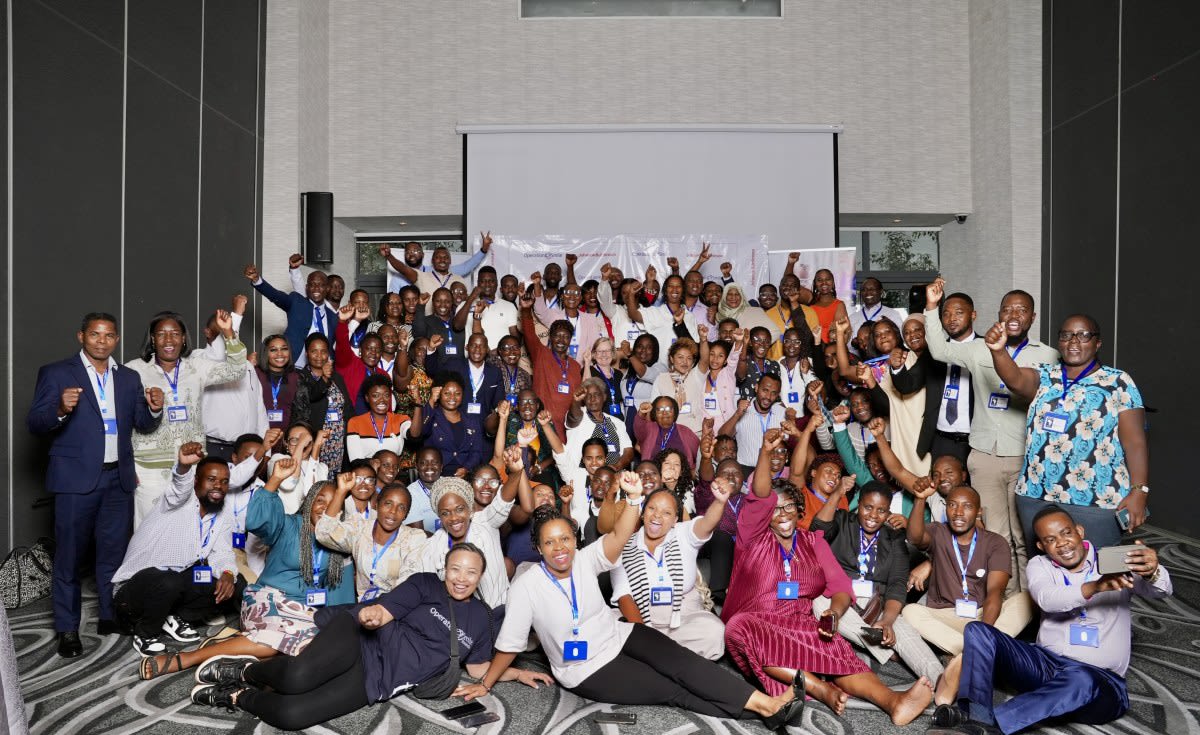
When 75 nurses from 10 African countries gathered in Kenya for three days of intensive training, they weren't just learning skills. They were building a movement to bring safer surgical care to patients across the continent.
The global nursing shortage is getting smaller, but the gap still feels huge where it matters most.
New figures from the World Health Organization show the worldwide shortage dropped from 6.2 million nurses in 2020 to 5.8 million in 2023. That's progress, but deep inequities remain, especially across Africa where nurses face burnout, limited training opportunities, and the constant pull of international recruitment.
That's why what happened in Kenya matters so much. Operation Smile brought together 75 nurses from 10 African countries for three days of hands-on training in emergency response, infection control, and teaching skills. Fourteen experienced nurse faculty members guided them through practical scenarios that mirror what they face every day back home.
"When 75 nurses from 10 countries walk into one room and spend three days learning side by side, you can feel the impact straight away," said Karina Olivo, Senior Global Programs Manager at Operation Smile. The training focused on building confident nurse educators who can return to their facilities and teach colleagues, creating a ripple effect across communities.
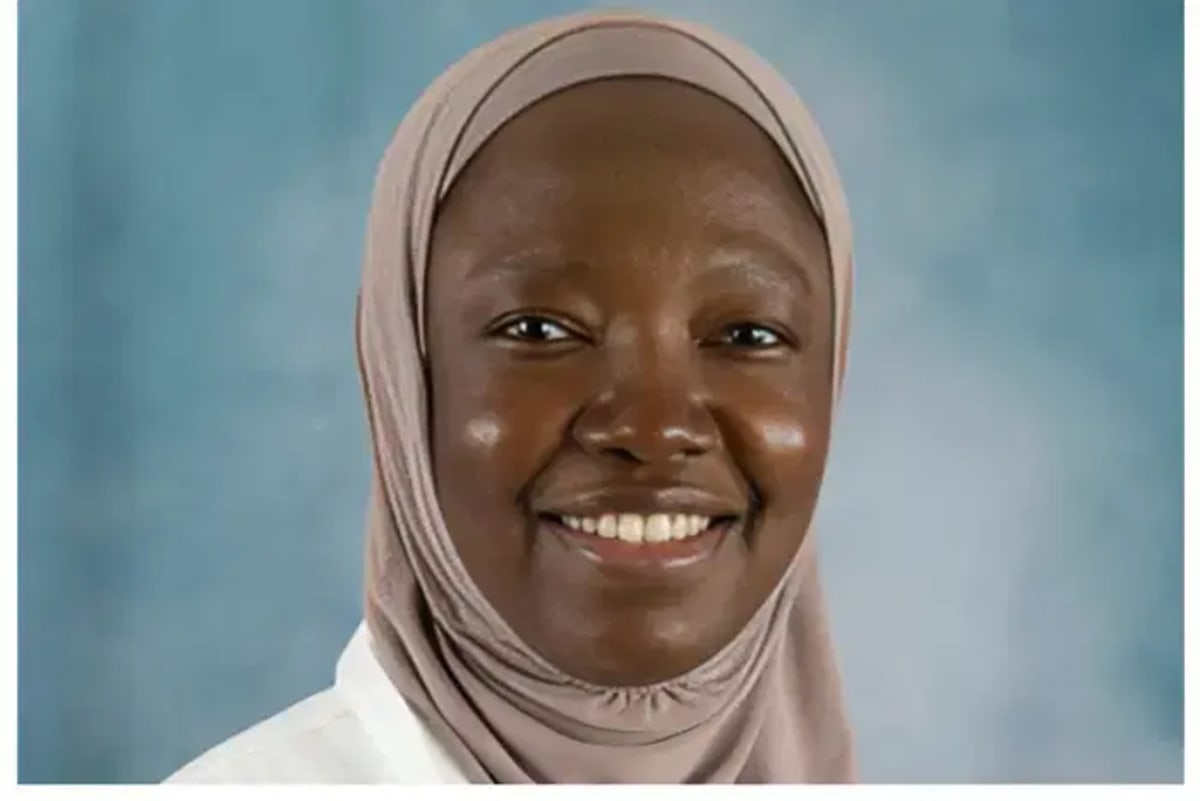
Webster Mkandawire, a senior nurse from Malawi, said the training will help provide specialized care to children at home. Susan Beddy, a retired pre and post op nurse from South Africa, captured the hope many felt: "I still have so much to give to nursing. I'm so happy that Operation Smile is investing in me to become an educator."
This peer learning model tackles a critical problem. In many African communities, surgical care means long travel, long waits, and higher risks when patients arrive late. Better trained nurses and stronger teamwork around surgery can make routine operations safer and get people back to work, school, and family life sooner.
The Ripple Effect
Each of these 75 nurses will return home as an educator, training dozens more colleagues in their facilities. That means thousands of patients will benefit from stronger infection prevention, clearer emergency communication, and more confident care teams. The model shows how investing in nurses multiplies far beyond the training room.
As International Nurses Day on May 12 reminds us, celebrating nurses without investing in them isn't enough. This year's theme, "Our Nurses. Our Future. Empowered Nurses Save Lives," calls for exactly what these 75 nurses received: safe workplaces, ongoing learning, and support to do their jobs well.
When nurses can see a future in their profession, patients get more consistent care and health systems become more resilient.
Based on reporting by AllAfrica - Health
This story was written by BrightWire based on verified news reports.
Spread the positivity!
Share this good news with someone who needs it