7,500 WA Beehives Cross Nullarbor to Save Almond Harvest
Millions of healthy Western Australian bees are making a cross-country journey to rescue South Australia's almond industry from a devastating parasite crisis. The $2.3 million operation shows how collaboration can solve environmental emergencies.
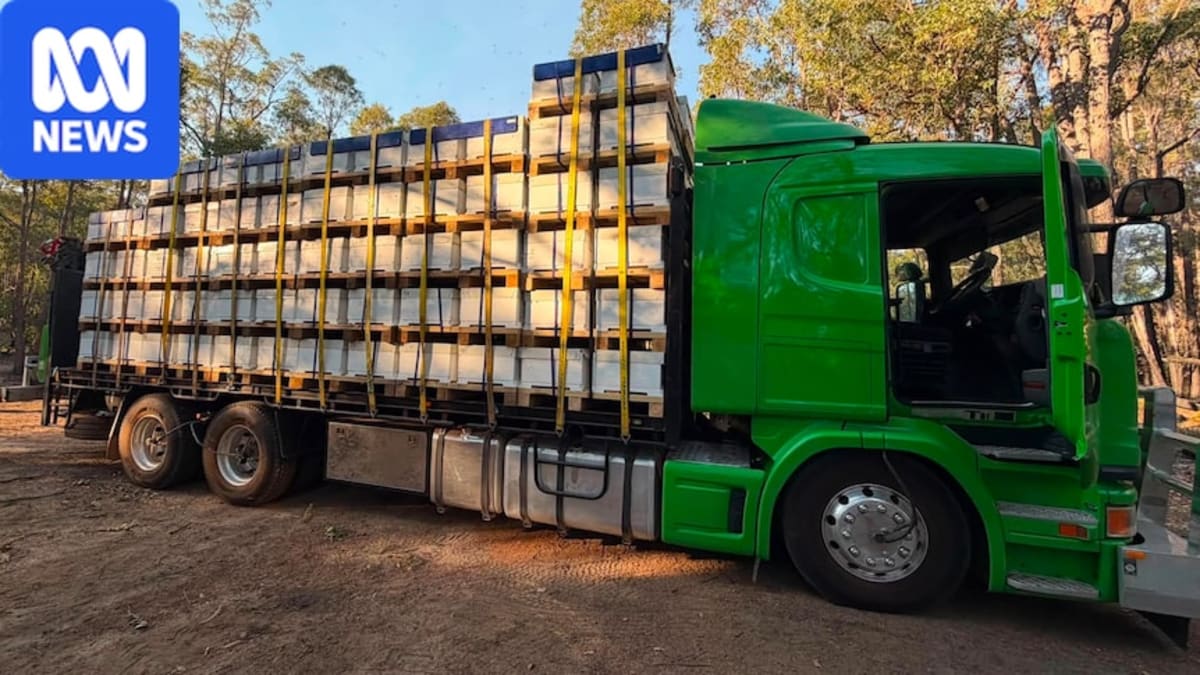
Three humming road trains packed with 7,500 beehives are crossing the Nullarbor desert on a mission to save South Australia's almond harvest.
Western Australian beekeepers are sending millions of their healthiest bees east to help pollinate almond orchards devastated by varroa mite, a deadly parasite that has wiped out wild bee populations and is now decimating managed hives across Australia's eastern states. The non-stop journey delivers the bees just in time for almond flowering season.
The scale of the operation is remarkable. A commercial almond grower purchased the hives for more than $2.3 million, paying WA beekeepers $350 per hive. Twelve beekeepers from Donnybrook, Gingin, and Esperance contributed to the shipment, benefiting from excellent conditions following last year's rain.
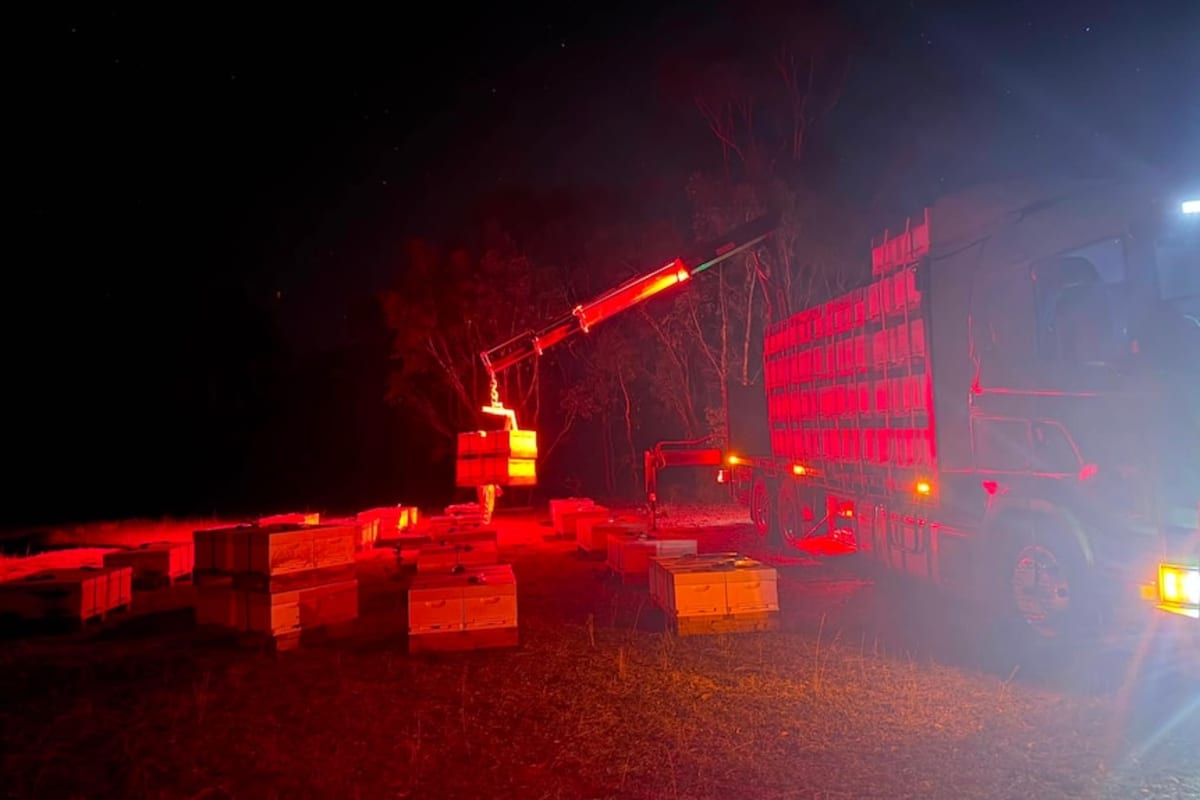
Beekeeper Steve Sannut explains the delicate logistics involved. Two drivers per truck make the cross-country journey without stopping, while the hives travel with open entrances so bees can cool themselves on the outside during hot stretches. "You definitely hear them on the outside," he says.
The crisis driving this operation is serious. Since varroa mite entered Australia in 2022, it has killed most wild bees in eastern states and is now ravaging managed colonies. Kate Byrne from the Bee Industry Council of Western Australia estimates a shortfall of 290,000 hives for pollination this August alone.
The Ripple Effect
This bee highway represents more than emergency pollination support. It demonstrates how WA's strict biosecurity measures are paying dividends, keeping the state's bee populations healthy enough to help neighbors in crisis.
The collaboration also highlights the invisible heroes of our food system. About one-third of the food we eat depends on bee pollination, making these tiny workers essential to food security. When eastern bee populations collapsed, WA beekeepers stepped up to fill the gap.
The success has inspired discussions about strengthening biosecurity even further. The industry is exploring AI-capable detection units along the Nullarbor to protect WA's mite-free status, ensuring the state can continue serving as a genetic reservoir for healthy bee populations.
While the transported bees will eventually succumb to varroa mite in South Australia, they're buying precious time for the almond industry and demonstrating that regional cooperation works. This season's almonds will get the pollination they need, thanks to bees that traveled thousands of kilometers to help.
The humming trucks crossing Australia's most famous desert prove that when crisis strikes, communities find creative solutions together.
More Images



Based on reporting by ABC Australia
This story was written by BrightWire based on verified news reports.
Spread the positivity!
Share this good news with someone who needs it