8 Ancient Indian Systems That Stored Rain for Months
Long before modern dams, Indian villages built ingenious water systems that captured monsoon rains and stored them through dry seasons. Now, as climate change intensifies water scarcity, these time-tested designs are offering low-cost solutions to India's water crisis.
Centuries ago, Indian communities across deserts and plains solved water scarcity without a single modern dam. They built systems so smart that a single monsoon season could sustain entire villages for months.
From the arid Thar Desert to rain-soaked eastern regions, these structures worked with nature instead of against it. They captured rainwater, recharged underground aquifers, and stored precious drops when the dry season arrived.
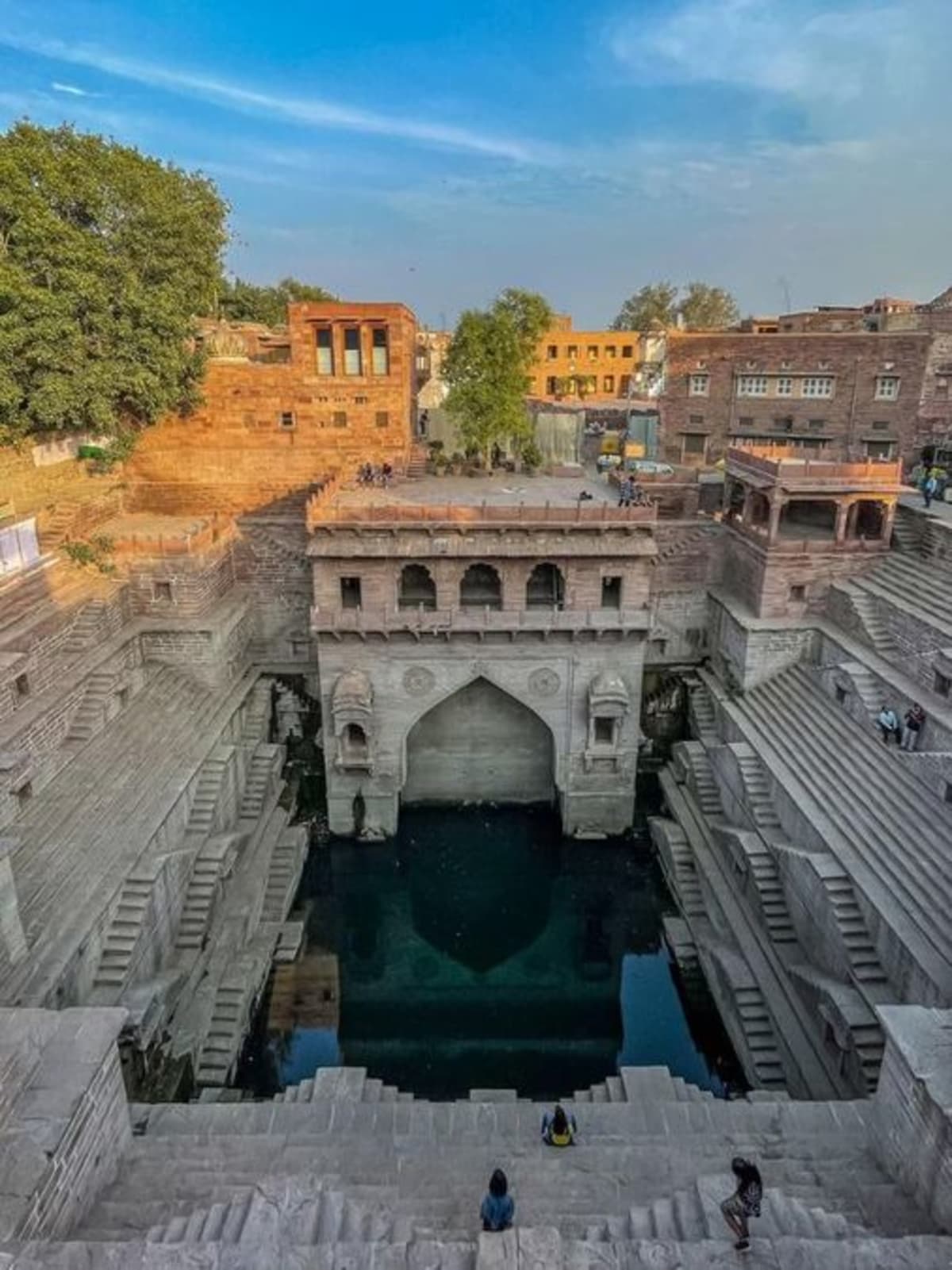
Stepwells, called baolis or vavs, are among the most stunning examples. These wells plunge deep underground with staircases carved into the walls, allowing villagers to reach water even when levels dropped during droughts. The Chand Baori in Rajasthan remains a breathtaking example, descending 13 stories with 3,500 steps that once served as a lifeline for surrounding communities.
In desert regions, families relied on kunds and taankas to survive. Kunds used saucer-shaped catchments to funnel rainwater into underground reservoirs, while taankas were covered cisterns that collected roof runoff to provide clean drinking water year-round.
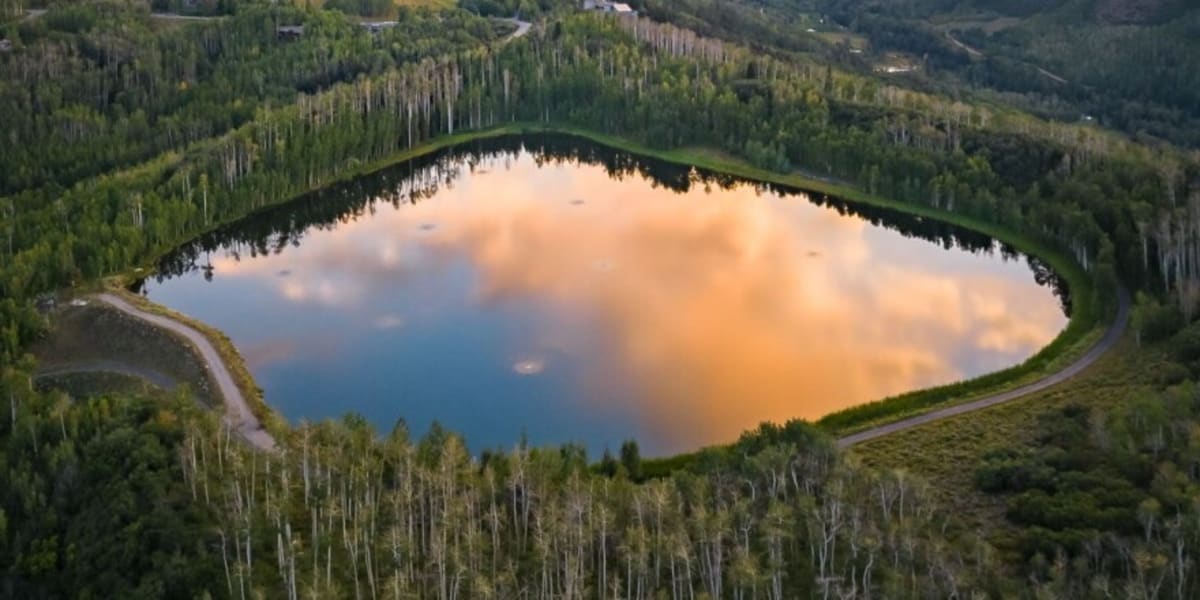
Communities built johads, simple rainwater ponds that did double duty. These seasonal pools stored runoff for people and livestock while slowly seeping water back into the ground to recharge wells and springs.
Jhalaras served villages near lakes and rivers with their rectangular stepped tanks. Talabs and nadis, ranging from natural ponds to human-made waterholes, captured monsoon flows to nourish soil and support cattle through lean months.
In eastern India, farmers created ahar-pynes and check dams that diverted rainwater to fields and storage embankments. These systems provided irrigation while moderating floods, protecting crops from too much water and too little.
The Ripple Effect
These ancient systems combined engineering brilliance with cultural wisdom, creating infrastructure that lasted generations with minimal maintenance. Today, as climate change brings unpredictable rainfall and deepening water stress across India, engineers and villages are reviving these designs.
The beauty of these systems lies in their simplicity and sustainability. They require no electricity, no imported materials, and no specialized expertise to maintain. Communities can build and manage them locally, creating water security from the ground up.
Each restored stepwell or rebuilt johad represents more than water storage. It's a bridge between ancient knowledge and modern challenges, proving that sometimes the best solutions for tomorrow's problems were perfected centuries ago.
India's water crisis won't be solved by one approach alone, but these time-tested systems offer hope that communities can adapt and thrive even as the climate shifts.
Based on reporting by The Better India
This story was written by BrightWire based on verified news reports.
Spread the positivity!
Share this good news with someone who needs it