8 Indian Villages That Beat Floods With Nature, Not Dams
Every monsoon brings devastating floods, but these Indian villages found a better way. Using ancient wisdom and natural solutions, they're protecting their homes without pouring a single ton of concrete.
Every monsoon, millions of Indians watch helplessly as rivers swallow roads, homes, and farms. But eight villages scattered across the country discovered that fighting water with concrete was never the answer.
In Sukhomajri, Haryana, villagers in the Shivalik Hills were tired of flash floods tearing through their community. They built check dams and contour trenches, then let the forest grow back naturally. The land now drinks rainwater instead of drowning in it.
Kothapalli in Telangana took a different approach. Farmers dug ponds across their fields and shaped the land to follow natural contours. When the monsoon arrives, rain seeps into the soil rather than racing across the surface, destroying crops and flooding homes.
Out in Gujarat's Rajkot district, Raj Samadhiyala revived water harvesting techniques their grandparents once used. The village now captures monsoon rain in traditional structures, giving the landscape time to absorb what it needs.
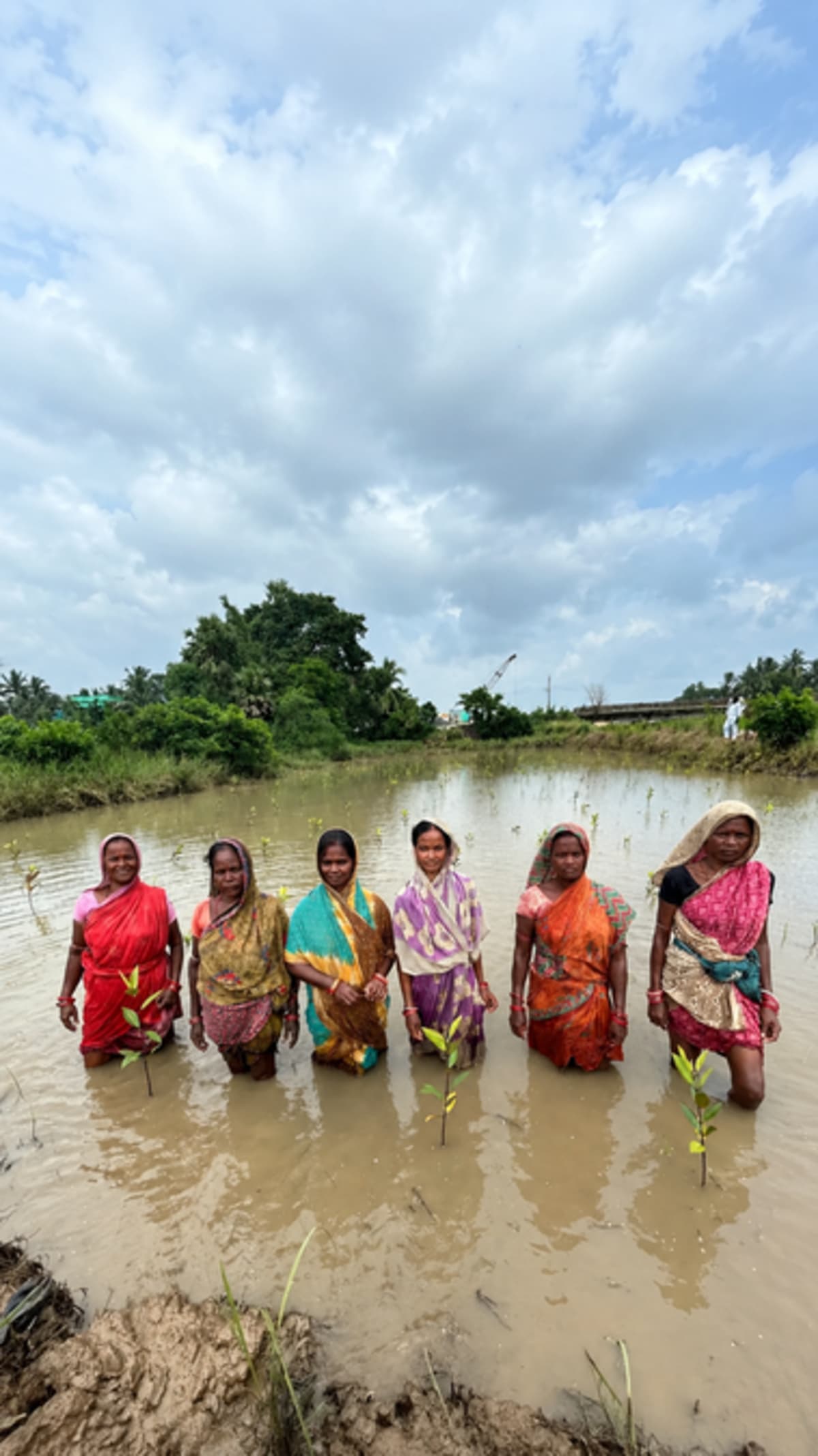
Two Maharashtra villages show how diverse solutions can be. Hiware Bazar in Ahmednagar planted forests and managed their watershed carefully, while Khardi in Palghar turned to the coast. Khardi's restored mangrove forests now stand like natural walls, their tangled roots absorbing wave energy and protecting homes during storms.
Along India's eastern coast, three more communities chose mangroves as their flood defense. Sanghameswaram in Andhra Pradesh is bringing back mangrove forests that vanished decades ago. In West Bengal's Sundarbans, Patharpratima villages are planting thousands of mangroves along crumbling embankments, stabilizing shorelines one tree at a time.
Then there's Majuli, the world's largest river island in Assam. Here, people don't fight the annual floods at all. Generations have perfected the art of living with water, building homes on stilts and raising everything valuable above the predictable waterline.
The Ripple Effect
These eight villages represent hundreds more across India making the same choice. Their success is inspiring neighboring communities to ditch expensive concrete projects in favor of nature-based solutions that cost less, last longer, and actually improve with age.
The transformation goes beyond flood protection. Restored forests mean cleaner air, farm ponds mean better harvests, and mangroves mean richer fishing grounds. What started as flood defense became complete ecosystem revival.
From the Shivalik Hills to the Sundarbans, these communities prove that the best flood management system was here all along, growing in the soil and swaying with the tides.
Based on reporting by The Better India
This story was written by BrightWire based on verified news reports.
Spread the positivity!
Share this good news with someone who needs it