8 Nearly Extinct Species Now Thriving Across America
Species once down to their last hundreds are now numbering in the hundreds of thousands thanks to conservation wins. From bald eagles to California condors, these comeback stories prove extinction doesn't have to be the end.
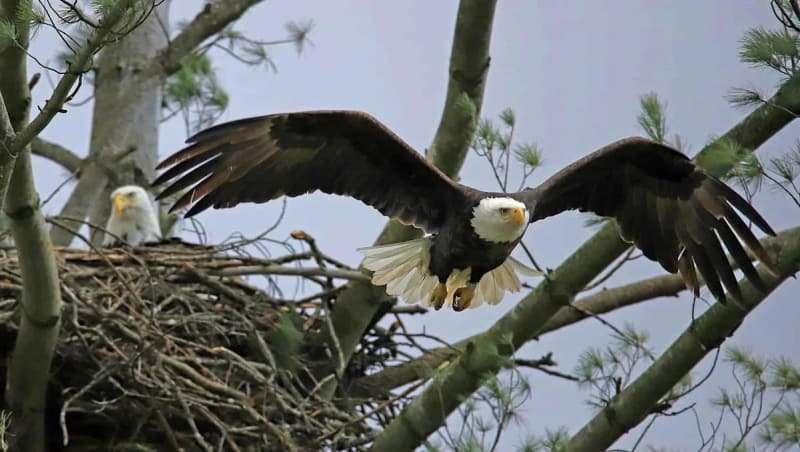
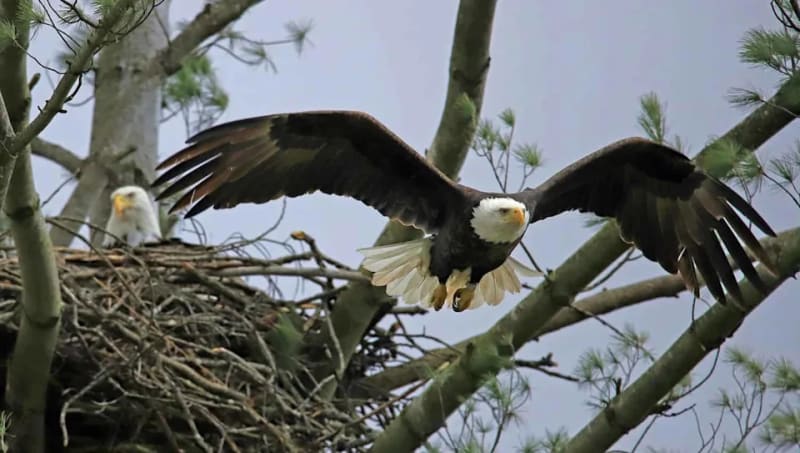
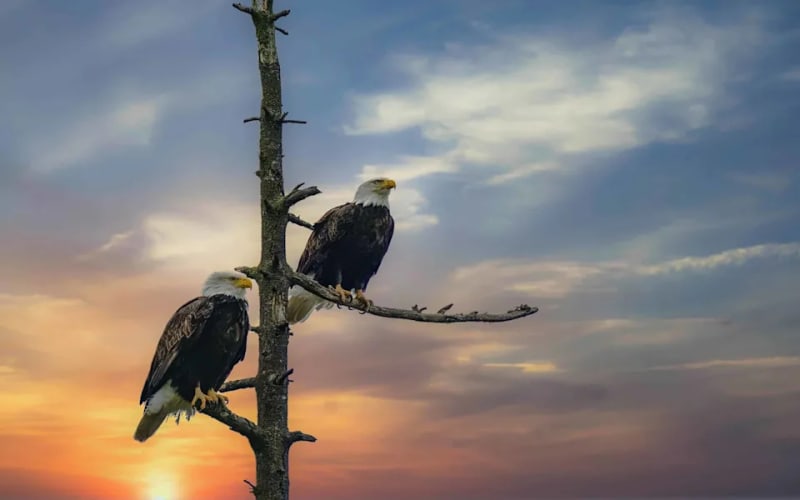
When only 500 breeding pairs of bald eagles remained in 1963, few imagined America's symbol of freedom would ever soar in healthy numbers again. Today, over 316,000 bald eagles live across the lower 48 states, proving that coordinated conservation efforts can pull species back from the very edge of extinction.
The pesticide DDT nearly wiped out multiple American species during the mid-20th century. Bald eagles laid eggs so brittle they cracked before hatching, while alligators and other wildlife absorbed the poison through their food supply.
The 1972 ban on DDT marked a turning point for American wildlife. Within just six years, bald eagles earned federal endangered species protections, and their populations began climbing steadily upward.
American alligators faced similar struggles, dropping to around 100,000 individuals in the 1950s. Over 5 million now thrive in U.S. waters, a recovery driven by hunting bans and water quality improvements that took just 20 years to stabilize their populations.
The California condor represents perhaps the most dramatic rescue mission. These magnificent vultures went completely extinct in the wild by 1987, with only a handful surviving in captivity.
Through careful breeding programs and reintroduction efforts, 347 California condors now fly free across parts of North America. Every single wild condor alive today descends from those last captive birds.
Humpback whales faced decimation from commercial whaling until international bans took effect in 1985. Their global population has since rebounded to over 130,000, transforming them from a critically endangered species to a conservation success story.
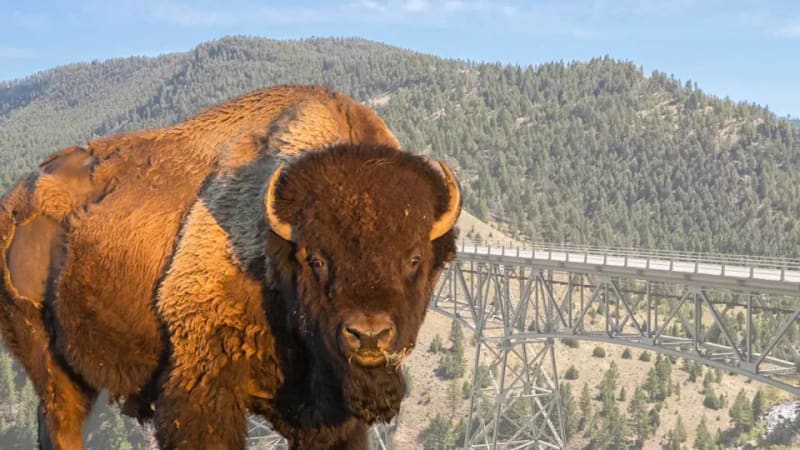
American bison tell a more complicated story of partial recovery. Once numbering 60 million across North America, they dropped to near-extinction in the 19th century from overhunting.
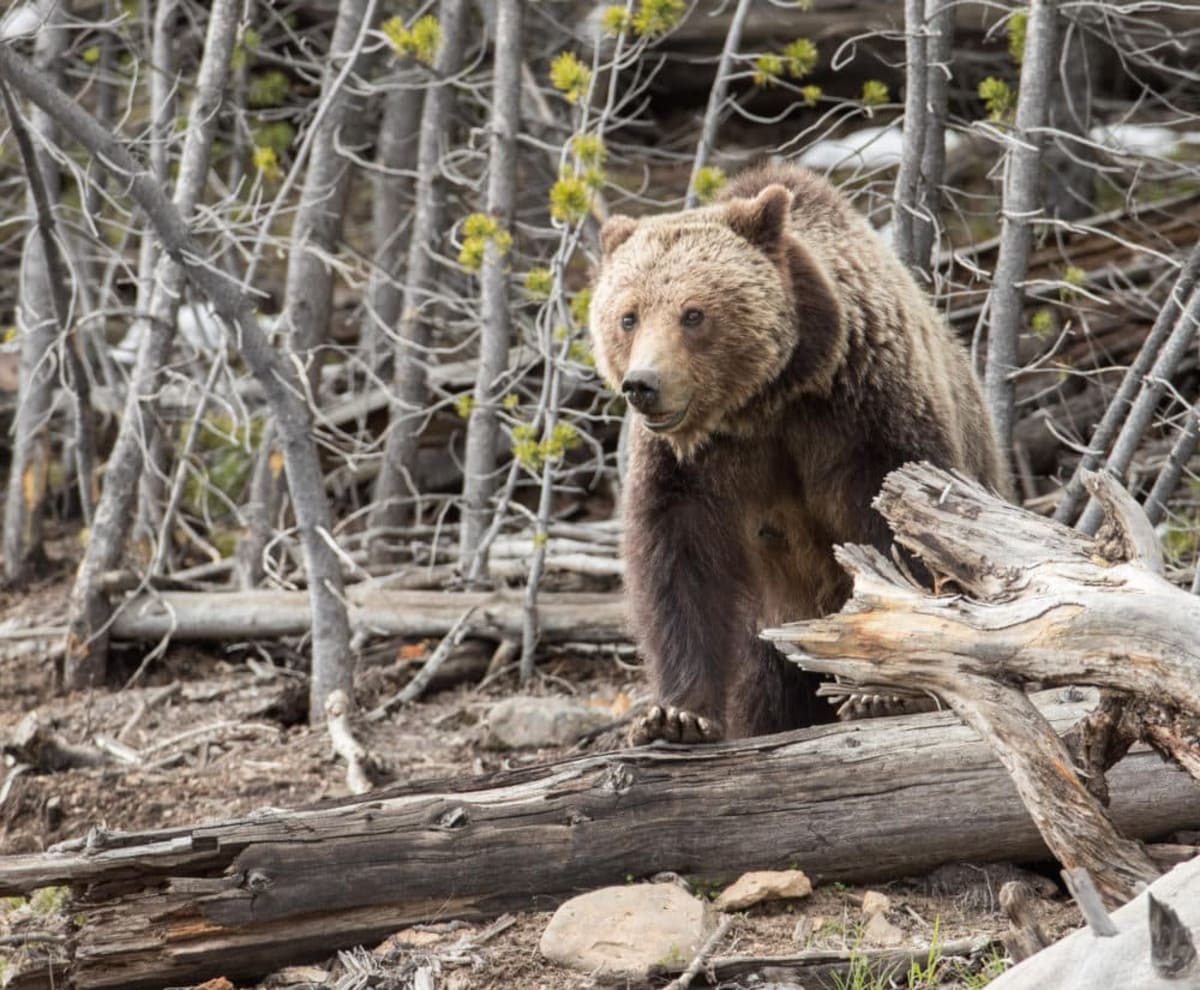
About 500,000 bison now live in North America, though they remain vulnerable due to limited genetic diversity. Florida black bears similarly recovered from fewer than 500 individuals to roughly 4,000 today, though they still face habitat challenges.
The Ripple Effect
These recoveries demonstrate how protective legislation creates cascading benefits across entire ecosystems. When top predators and keystone species return, they restore balance to habitats that suffered in their absence.
The success stories share common threads: legal protections, habitat preservation, and pollution controls. West Indian manatees recently moved from endangered to threatened status, showing that even slow-reproducing species can recover with sustained human effort.
Each comeback required decades of dedicated work from wildlife agencies, conservation groups, and everyday citizens who refused to accept extinction as inevitable.
More Images
Based on reporting by Google: species saved endangered
This story was written by BrightWire based on verified news reports.
Spread the positivity!
Share this good news with someone who needs it