8 Rare Indian Mangoes Boosting Farm Incomes
Farmers across India are earning premium prices by reviving forgotten mango varieties that once graced royal tables. These rare fruits are opening doors to luxury markets and transforming small orchards into profitable enterprises.
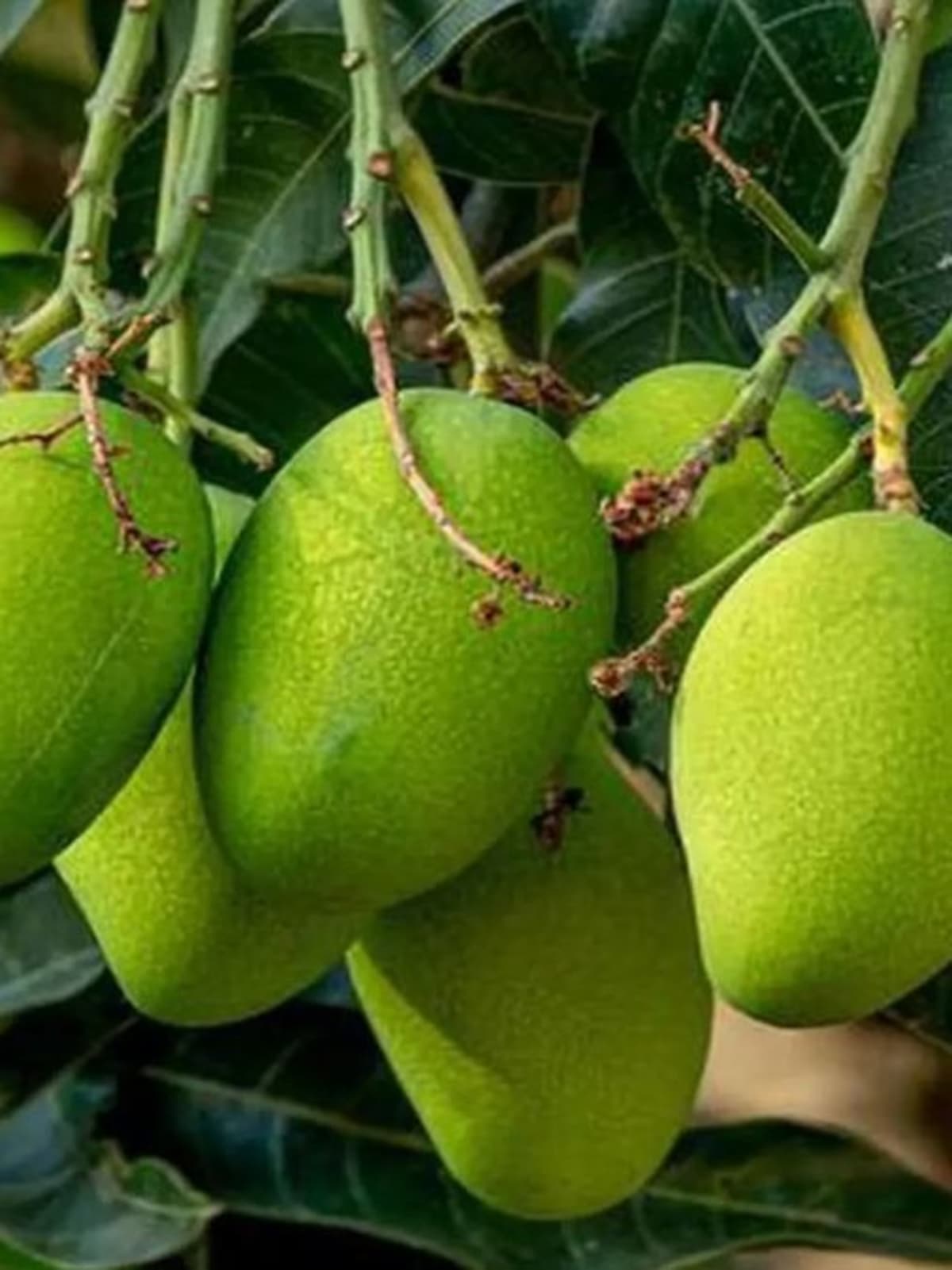
India grows hundreds of mango varieties beyond the famous Alphonso, and farmers are discovering that rarity equals profit. From Mughal-era favorites to trophy-sized fruits, these eight mangoes are helping growers tap premium markets and build stronger incomes.
Kohitur mangoes once delighted Mughal emperors, and their scarcity today makes them perfect for luxury buyers. Collectors and export markets pay top dollar for this aromatic variety that nearly disappeared from India's orchards.
Imam Pasand delivers silky sweetness but produces low yields, which actually works in farmers' favor. Its exclusivity lets growers position it as a boutique fruit commanding higher prices than common varieties.
Mankurad carries a tropical fragrance that attracts tourists to mango-growing regions. With official GI tagging protecting its origin, farmers are selling directly to hotels and visitors willing to pay premium rates.
Lakshmanbhog from West Bengal ripens when most other mangoes finish their season. This perfect timing gives farmers pricing power when summer supply drops and demand stays strong.
Noor Jahan from Madhya Pradesh grows to massive sizes that spark social media buzz. Its visual drama draws customers to farm stands and online shops, boosting direct sales.
Fazli offers farmers something even better than premium fresh sales: steady industrial demand. Processing facilities buy it year-round for pulp and products, creating reliable income streams that survive market fluctuations.
Gulab Khas smells like roses and tastes extraordinary, making it ideal for urban gift markets. Subscription fruit services and corporate buyers pay more for unique sensory experiences their customers remember.
Even Japan's legendary Miyazaki mango now grows in Indian orchards, proving that exotic varieties can work at small scale. Its ultra-premium pricing shows how the right fruit can transform farm economics completely.
The Ripple Effect
These rare mangoes do more than fill fruit baskets. They're teaching farming communities that heritage varieties plus smart branding equals economic power, especially when combined with GI certification and organic standards that unlock export channels.
Direct marketing through farm visits, online sales, and food tourism helps growers keep more profit instead of losing it to middlemen. Value-added products like jams and dried mango slices extend income beyond the short harvest season.
Younger farmers are returning to orchards they once abandoned, drawn by the possibility of earning professional incomes from small plots. Agricultural universities are helping preserve rare varieties while teaching marketing skills that connect tradition to modern markets.
India's forgotten mango heritage is becoming its competitive advantage in global specialty fruit markets.
Based on reporting by The Better India
This story was written by BrightWire based on verified news reports.
Spread the positivity!
Share this good news with someone who needs it