80 Volunteers Fight Waterborne Disease After Harare Floods
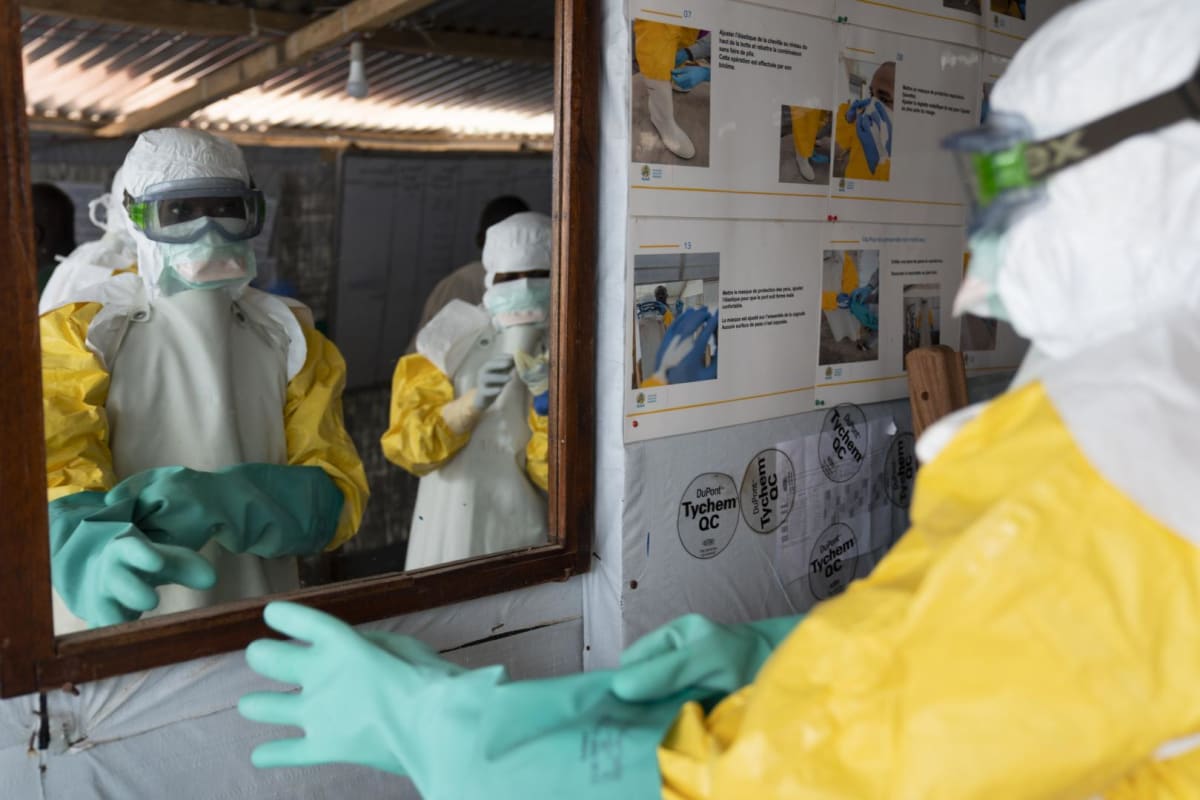
After flash floods swept through Harare, Zimbabwe, 80 community volunteers are going door to door to protect families from cholera and waterborne diseases. Most of them are women and young people who just completed intensive training to become their neighborhoods' first line of defense.
When flash floods ripped through parts of Harare, Zimbabwe, health officials knew the clock was ticking on a dangerous threat: waterborne diseases that follow in the wake of rising waters.
Their answer arrived in the form of 80 neighbors helping neighbors. The Community Water Alliance, working with Oxfam and the City of Harare, trained volunteers to protect the most vulnerable communities in Ruwa, Epworth, and Chitungwiza.
Most of the volunteers are women and young people from the affected areas themselves. They spent this week learning household water treatment, safe storage techniques, handwashing methods, and basic germ theory so they understand exactly how contamination spreads through floodwaters.
"We are equipping volunteers not just with knowledge but with confidence and tools to become frontline defenders of public health," said Hardlife Mudzingwa, director of the Community Water Alliance. The training sessions in Kuwadzana gave volunteers practical skills they could immediately take back to their streets.
Now those volunteers are walking door to door in flood-affected neighborhoods, sharing what they learned with families who need it most. They're teaching residents how to treat their water, store it safely, and practice hygiene that can stop diseases before they start.
The response goes beyond education. The alliance is distributing hygiene and water safety kits to 375 households in each targeted area, giving families the tools they need alongside the knowledge. Community roadshows are bringing essential health information to even more residents across the metropolitan area.
The Ripple Effect
This isn't just about stopping one outbreak. The Waterborne Disease Outbreak Anticipatory Action and Response Programme is building something more lasting: communities that know how to protect themselves when the next emergency strikes.
By training local volunteers instead of relying solely on outside experts, the program ensures vital health information spreads faster and sticks longer. Neighbors trust neighbors, and that trust becomes protection when contaminated water threatens lives.
The approach transforms knowledge into power at the community level, where it matters most during emergencies.
When the next flood comes, Harare won't be starting from zero—it will have 80 trained defenders ready to mobilize, and hundreds of families who already know how to keep their water safe.
Based on reporting by AllAfrica - Health
This story was written by BrightWire based on verified news reports.
Spread the positivity!
Share this good news with someone who needs it