800-Year-Old Chinese Mummy Still Smells Like Perfume
Scientists studying a Song Dynasty nobleman's remains discovered his body still emits pleasant fragrances from frankincense and ambergris used 800 years ago. The groundbreaking research revealed ancient Chinese embalming secrets and unexpected insights into heart disease.
A Chinese nobleman who died in the 13th century still smells surprisingly good, and scientists just figured out why.
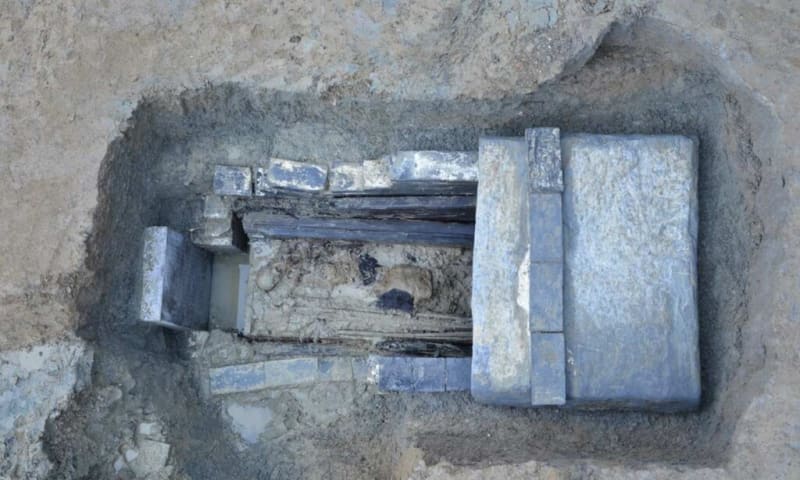
Researchers from Fudan University's Human Phenome Institute recently completed an extensive analysis of the Changzhou Mummy, one of China's most famous preserved bodies. What they found amazed them: after 800 years, the man's remains still emit pleasant scents from the fragrant oils used to preserve him.
The Song Dynasty embalmers used a distinctly Asian approach to preservation. They filled his organs with mercury and cinnabar, then introduced these substances directly into his intestinal cavity through an enema. They also used expensive fragrant oils derived from frankincense, ambergris, and agarwood.
Unlike Egyptian mummies, whose organs were removed and stored separately, this nobleman's organs remained in place. The preservation method worked so well that modern scientists could still detect the original scents centuries later.
The timing of his death coincided with China's booming Maritime Silk Road era, when spices from Sri Lanka and Indonesia flowed freely into the country. These exotic ingredients, once reserved for royalty, became the key to his remarkable preservation.
Why This Inspires
Beyond solving an 800-year-old mystery, the research delivered an unexpected health discovery. The nobleman showed clear signs of atherosclerosis risk factors, challenging our assumption that heart disease only became common after industrialization.
"Uncovering unrecognized genetic polymorphisms among ancient individuals improves our understanding of the role of genetic factors in the development and evolution of atherosclerosis," the researchers explained. In other words, this ancient man's body is teaching us that heart disease has affected humans for far longer than we thought.
The discovery also provides our best look yet at how mummification worked in medieval China. Previous mummies found in North China's humid soil deteriorated too much to study properly. This nobleman's exceptional preservation offers scientists a rare window into ancient medical practices.
By combining paleo-radiological, paleo-pathological, paleo-genetic, and paleo-nutritional analysis, researchers painted a complete picture of one man's life, diet, and death. They uncovered details about his genetic profile and what he ate, all from examining remains that somehow stayed fragrant across eight centuries.
This once-in-a-lifetime find proves that ancient cultures possessed sophisticated knowledge we're only beginning to understand.
More Images



Based on reporting by Good News Network
This story was written by BrightWire based on verified news reports.
Spread the positivity!
Share this good news with someone who needs it