Scientists Digitally Restore 3.7-Million-Year-Old Face
A team of scientists has successfully reconstructed the crushed skull of "Little Foot," one of our most complete ancient human relatives, revealing new clues about how our faces evolved. The digital restoration brings us closer to understanding the diversity of early human ancestors who walked the Earth millions of years ago.
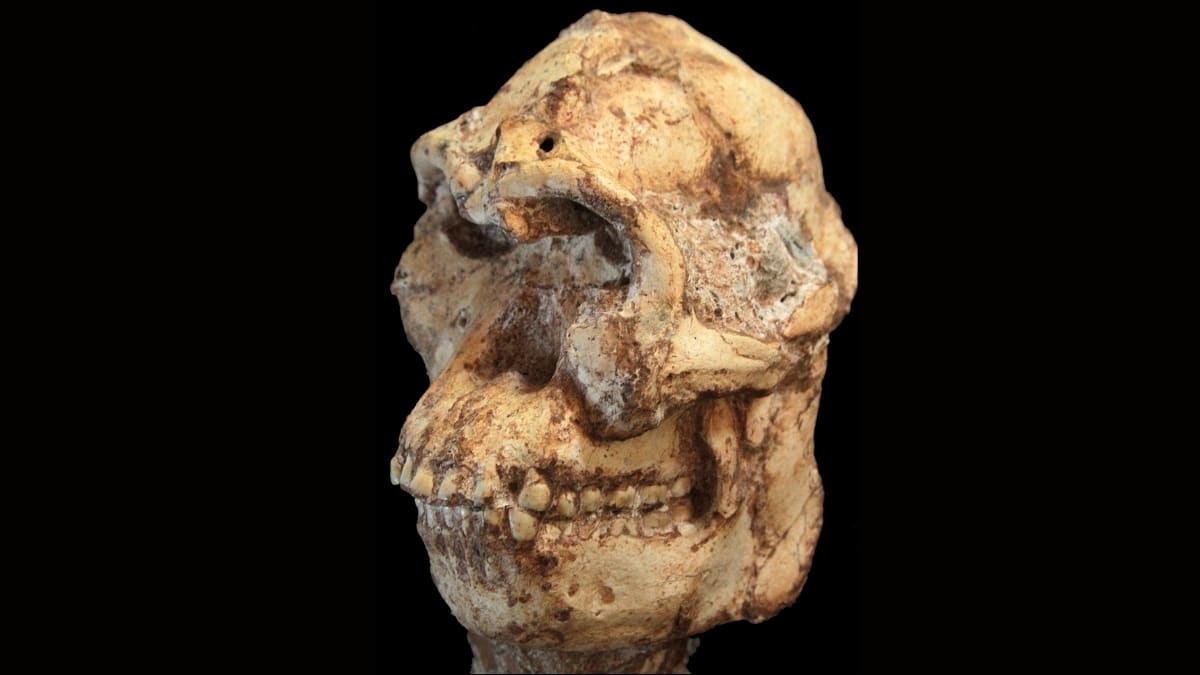
After millions of years buried in rock-hard cave deposits, one of our oldest known relatives is showing her face for the first time.
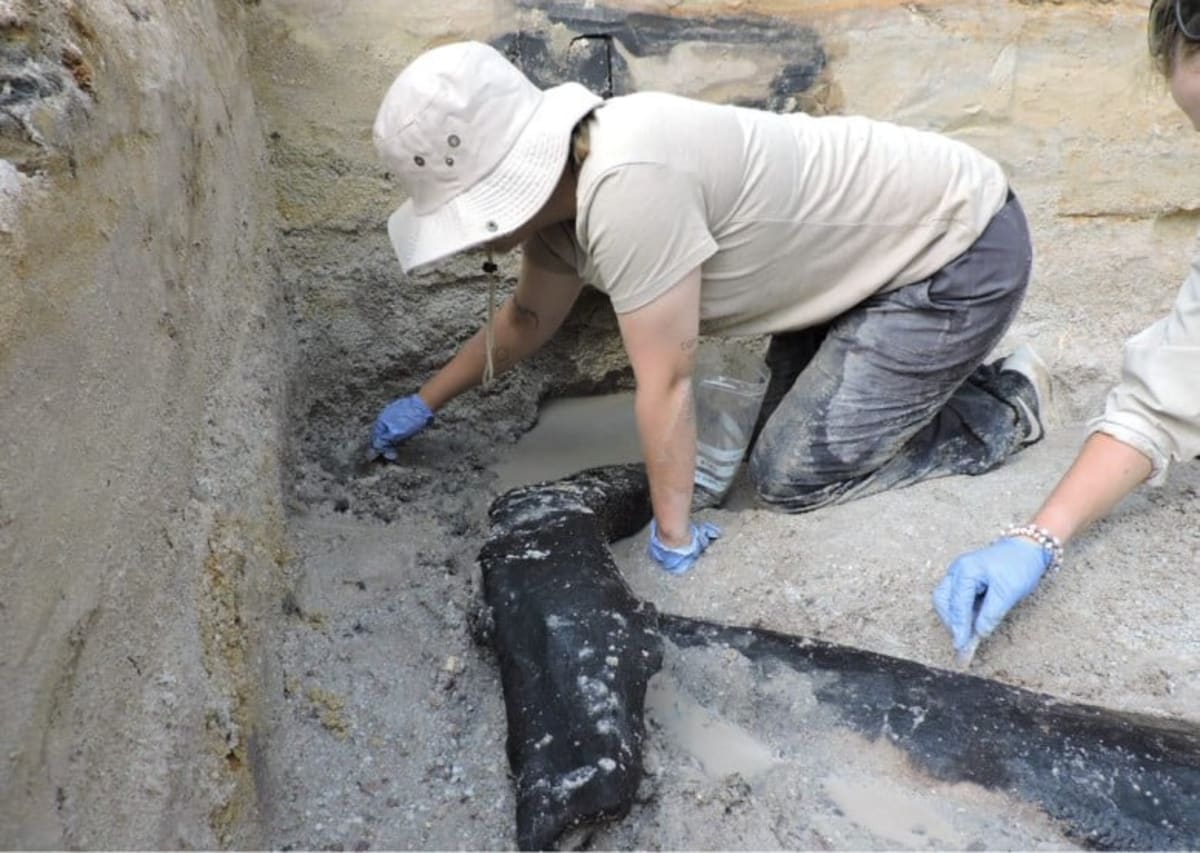
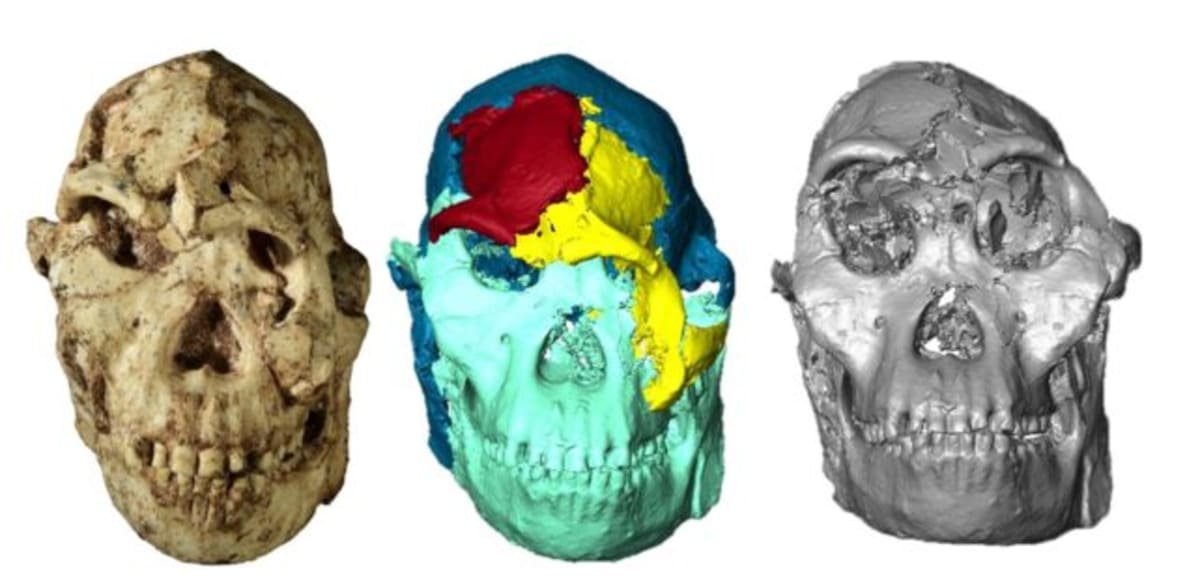
Scientists have digitally reconstructed the skull of Little Foot, a 3.67-million-year-old Australopithecus whose nearly complete skeleton was discovered in South Africa's Sterkfontein Cave. The fossil's skull had been severely crushed and deformed by the weight and pressure of its rocky tomb, making it difficult to study for decades.
A team led by paleoanthropologist Amélie Beaudet at the Université de Poitiers in France used powerful X-ray scans to create a detailed 3D model of the damaged skull. They virtually separated the bones from the surrounding rock, then moved five different sections around like pieces of a jigsaw puzzle until they fit back into their likely original positions.
Little Foot's story began in 1980 with the discovery of four small foot bones, which gave the fossil its affectionate nickname. Scientists didn't find the rest of the skeleton embedded in the cave wall until the 1990s, and it took another 15 years to carefully extract it from the tough rock surrounding it.
The reconstruction revealed surprising details about Little Foot's appearance and origins. Even though the fossil was found in southern Africa, the skull's size and shape closely match Australopithecus specimens from eastern parts of the continent. This suggests our ancient relatives may have been more diverse and widespread than previously thought.
One particularly interesting feature stood out: Little Foot's eye sockets have a distinct shape compared to other specimens. The researchers believe environmental changes might have influenced how these hominins' faces evolved, possibly helping them spot scarce food resources or requiring special visual abilities to find backup food sources.
Why This Inspires
This breakthrough shows how modern technology can unlock secrets that have been hidden for millions of years. What was once an unreadable, crushed fossil has become a window into the lives and evolution of our earliest ancestors.
The reconstruction also highlights how much we still have to learn about our own origins. Scientists still debate which exact species Little Foot belongs to, and she might even represent a species that hasn't been identified yet.
The team acknowledges their work is just a beginning, with some deformations still unable to be fully corrected. Future refinements could bring the faces of our ancient relatives into even clearer focus, helping us better understand the long journey that led to modern humans.
Every new discovery like this adds another piece to the puzzle of where we came from and how we became who we are today.
More Images

Based on reporting by Google News - Science
This story was written by BrightWire based on verified news reports.
Spread the positivity!
Share this good news with someone who needs it