8,000 'Buy Nothing' Groups Help Neighbors Share for Free
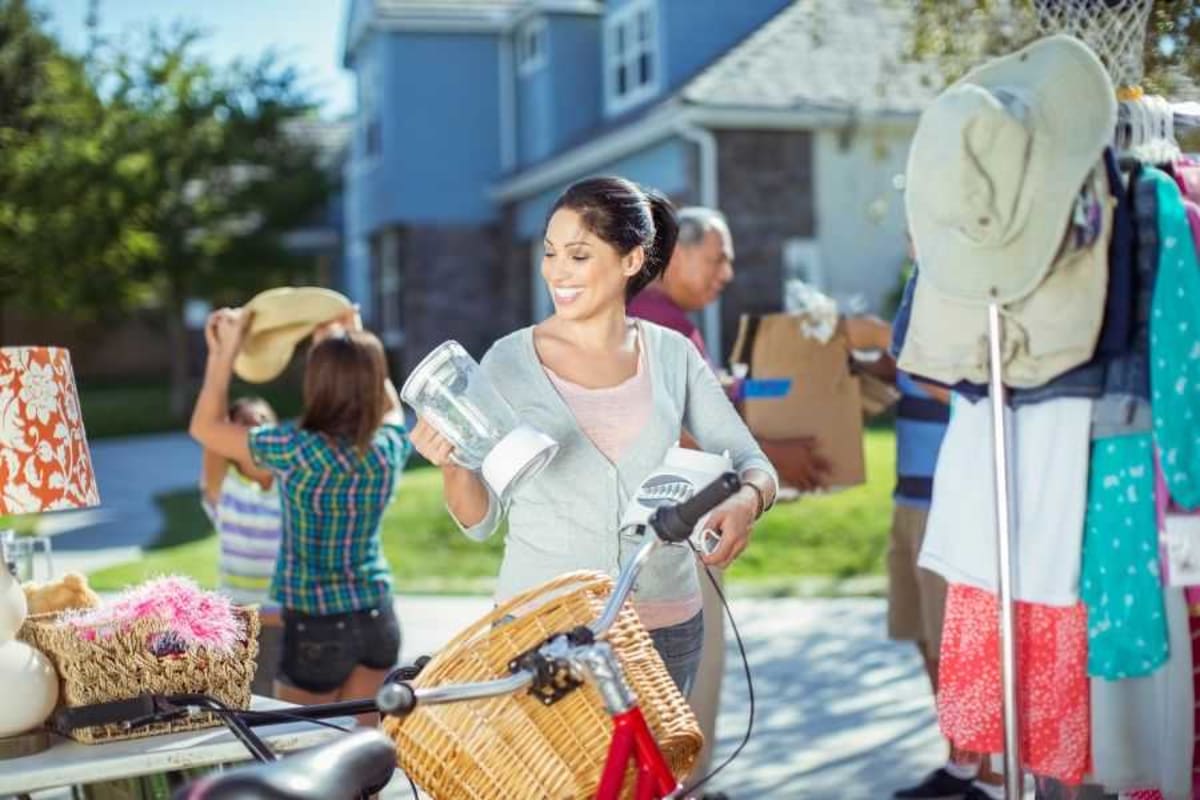
A global movement of over 8,000 groups is helping people swap items they need without spending a dime, building community connections while saving money. The Buy Nothing Project started as a small social experiment and grew into a worldwide rebellion against endless consumerism.
Tired of feeling pressure to buy things you don't need? Thousands of people are joining "Buy Nothing" groups where neighbors swap everything from baby formula to furniture without exchanging a single dollar.
The movement started when Liesl Clark launched the Buy Nothing Project as a simple social experiment to see if neighbors would help each other. Today, more than 8,000 groups exist worldwide, helping people request what they need and gift what they don't.
Lauren Click discovered dying aloe plants through her local group. She salvaged each living piece, replanted them in small pots, tied bows around them, and gave them as gifts. One person's trash became multiple presents for friends and family.
The groups solve real problems fast. When a single mother ran out of special formula for her baby, her Buy Nothing group came through. No forms to fill out, no waiting periods, just neighbors helping neighbors in need.
For many people, joining feels like breaking free from constant shopping pressure. Companies design ads to create feelings of missing out, pushing products people never knew they wanted. Scrolling through social media means facing endless targeted ads, celebrity endorsements, and influencer recommendations for everything from space socks to miracle skincare.
Amare, who hosts the YouTube channel Amare's Approach, explains how companies train us to chase a sense of not having enough. "The product is never the point," she says. "It's the craving, the desire that they're actually selling us."
Some rebels are motivated purely by tight budgets as grocery and utility costs climb. Others want to step back from throwaway culture and reduce waste. Either way, the result is the same: less spending, less clutter, and often more connection with people nearby.
The Ripple Effect
Beyond individual savings, Buy Nothing groups create surprising benefits. Members build real relationships with neighbors they might never have met otherwise. The movement keeps countless items out of landfills, reducing textile waste and environmental harm.
Clark calls it mutual aid in action. "We are taking care of each other by sharing the things that we might no longer need but it will make a world of difference to a nearby family," she told TODAY.
Buying nothing doesn't mean spending zero dollars. Electric bills and medical care still require payment. But if someone nearby is giving away exactly what you need, why spend money you could save for actual necessities?
The movement proves that the best things in life really can be free, especially when neighbors decide to take care of each other.
More Images

Based on reporting by Upworthy
This story was written by BrightWire based on verified news reports.
Spread the positivity!
Share this good news with someone who needs it