Desert Plant Could Replace Trees in Toilet Paper
After 20 years and $250 million in research, Kimberly-Clark discovered that a humble desert succulent called hesperaloe could replace wood fiber in tissues, toilet paper, and paper towels. The breakthrough could end logging for paper products while thriving in arid climates with less water.
A spiky desert plant might just save the world's forests from becoming toilet paper.
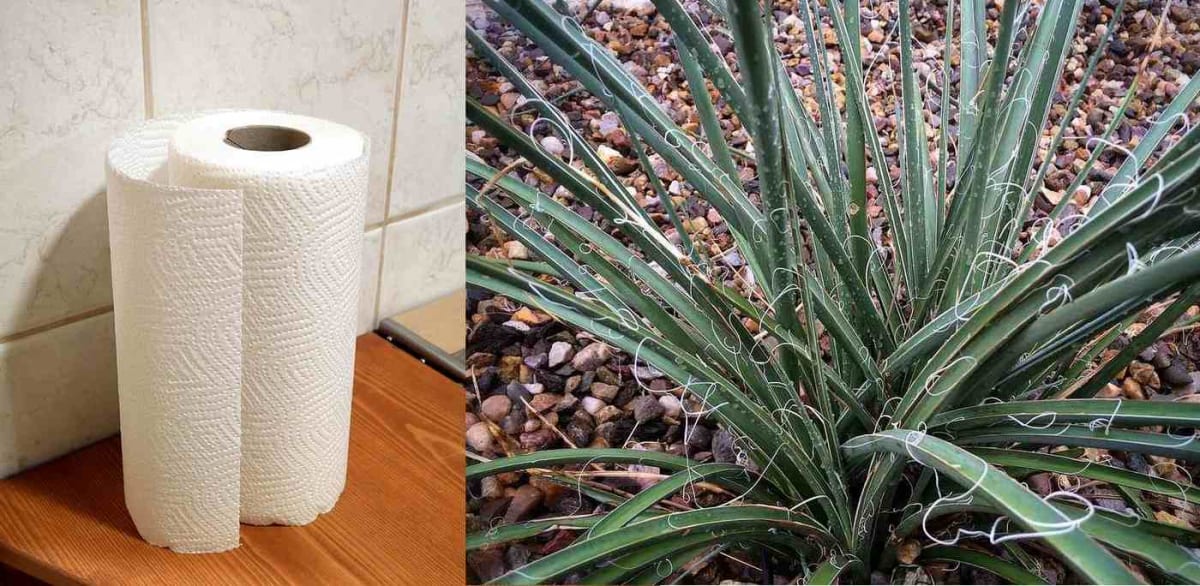
After two decades of searching, Kimberly-Clark scientists tested 70 different materials before discovering hesperaloe, a long-leaved succulent growing on an abandoned Arizona test facility. The company behind Scott paper towels, Huggies diapers, and Cottonelle toilet paper invested $250 million to find this potential replacement for wood fiber.
Craig Slavtcheff, the company's top research officer, calls it both a "Goldilocks discovery" and a "moonshot." Unlike bamboo, hemp, and the 68 other alternatives they tested, hesperaloe's fibers work just as well as wood for making soft, strong paper products.
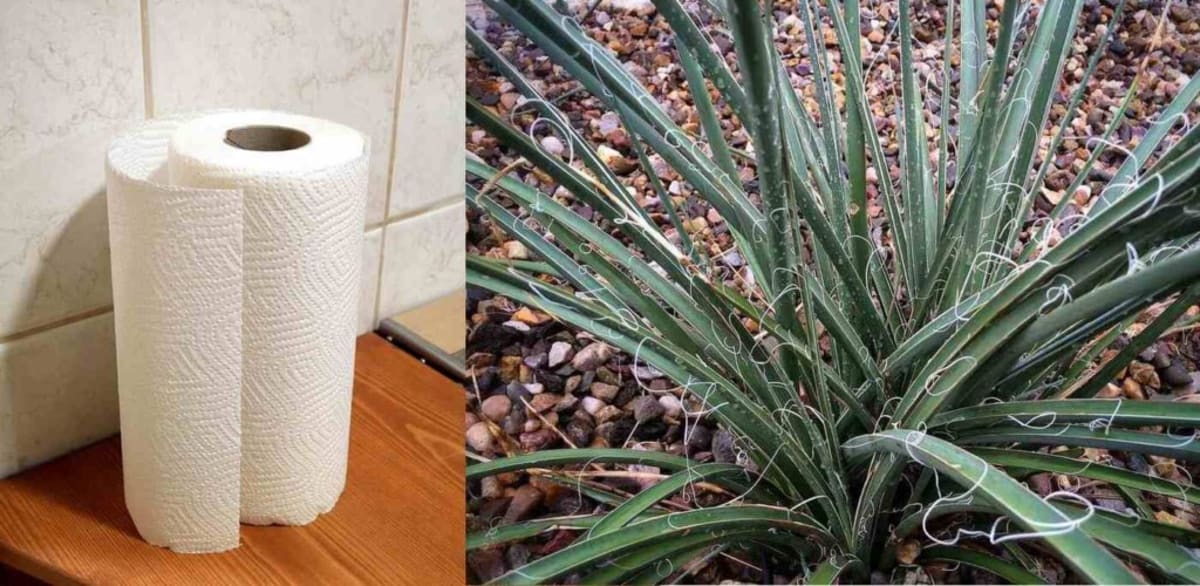
The plant grows in deserts and arid environments, requiring far less water than trees. It looks like aloe with its long succulent leaves but belongs to its own genus adapted for drought conditions.
The Ripple Effect
The discovery could reshape entire industries and ecosystems. Fewer logged acres in major forestry countries like Canada and Sweden means hundreds of thousands of additional tons of CO2 absorbed from the atmosphere every year.
Desert regions could become paper-producing powerhouses. Growing hesperaloe in arid areas offers economic opportunities in places where traditional crops struggle, potentially slowing desertification while creating jobs.
Kimberly-Clark has pursued this goal for 20 years, hoping to completely remove logging from its supply chains. Jeff Melucci, the company's strategy executive, told the Wall Street Journal his team "tried to pulp everything from wood straw to bamboo" before hesperaloe proved special.
The company now runs a pilot facility in Yuma, Arizona, testing commercial-scale cultivation and pulping. Early results suggest hesperaloe could compete with wood on cost, though Slavtcheff admits they don't yet have final estimates for a full supply chain.
One major hurdle remains: matching decades of efficiency improvements in wood processing. New materials lack the distributed knowledge and incremental refinements that make existing systems so cost-effective.
Still, commercial testing continues, and the results could transform how the world makes paper without cutting down another tree.
More Images



Based on reporting by Good News Network
This story was written by BrightWire based on verified news reports.
Spread the positivity!
Share this good news with someone who needs it