800,000 Sites Could Store 3 Years of Global Electricity
Scientists have identified enough potential pumped hydro storage sites worldwide to power a fully renewable energy future. Nearly every country has more than enough locations to meet their clean energy storage needs.
The missing piece of the renewable energy puzzle just got solved on a massive scale.
Researchers have mapped 800,000 potential pumped hydro storage sites around the world that could store an astounding 86 million gigawatt hours of energy. That's nearly three years' worth of global electricity production, sitting ready to be tapped.
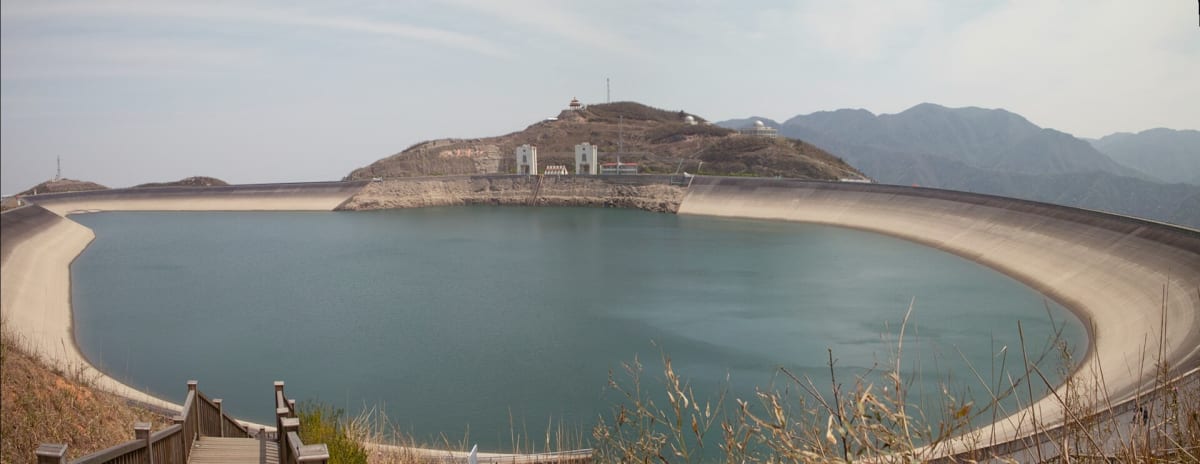
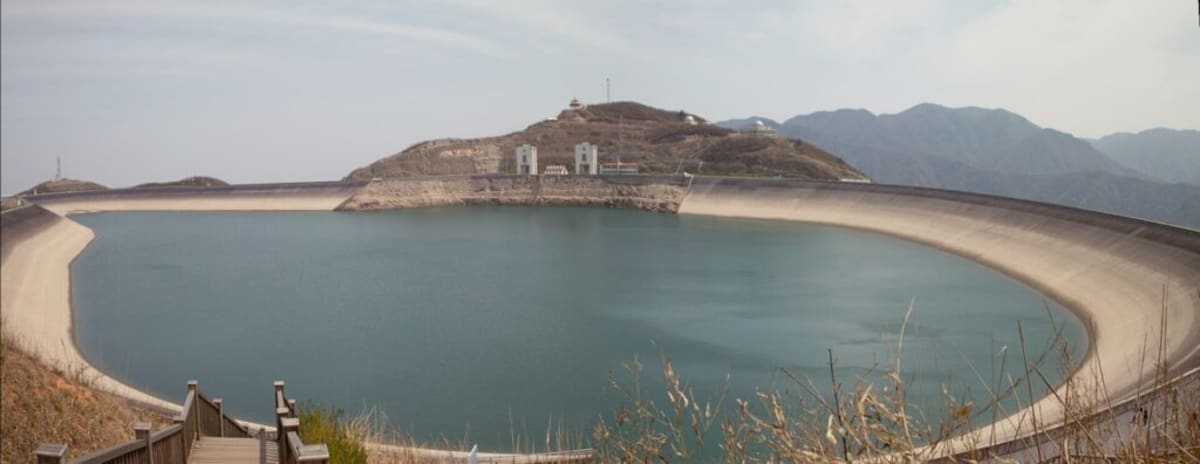
Pumped hydro works like a giant battery. Water gets pumped uphill to a reservoir when solar and wind energy are abundant, then flows back down through turbines when power is needed at night or during calm, cloudy periods.
The breakthrough isn't new technology. It's the realization that we don't need rivers or new dams to make it work. These off-river sites use existing hills and mountains, recycling water in a closed loop between two reservoirs.
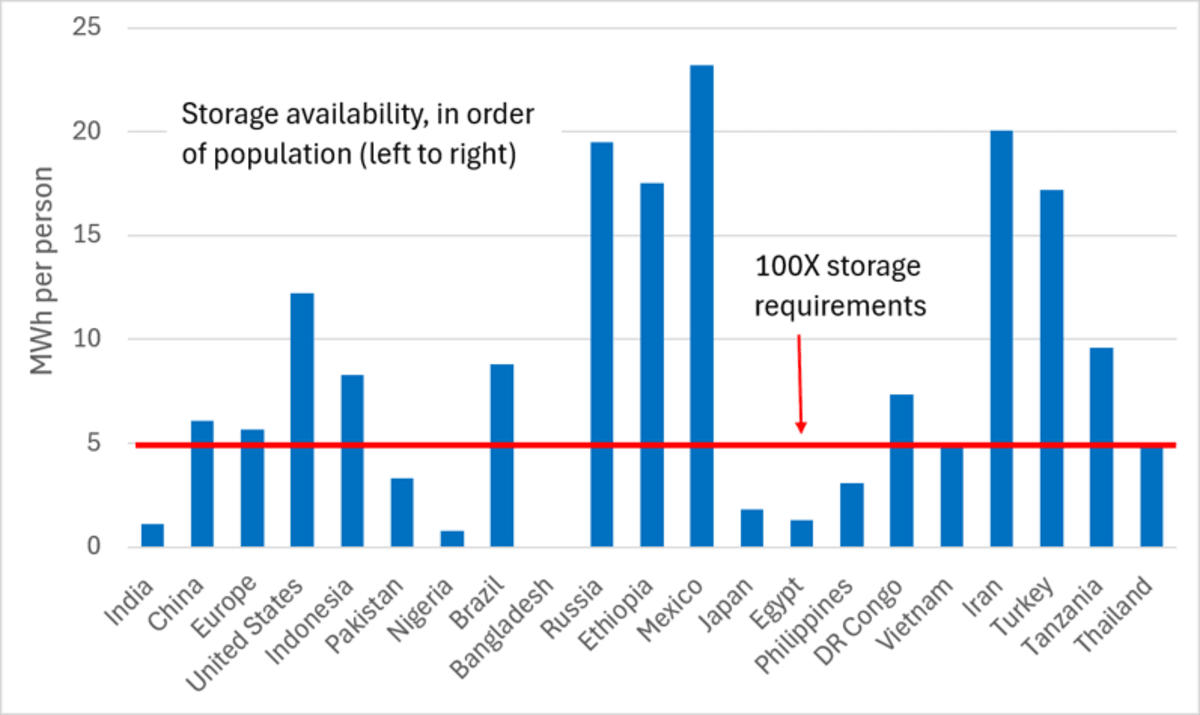
Professor Andrew Blakers from Australian National University and Professor Ricardo Rüther from Brazil's Federal University of Santa Catarina led the research. Their Global Pumped Hydro Atlas reveals that most countries have more than 100 times the storage sites they actually need.
The math is surprisingly simple. Each person in an affluent, fully renewable society needs about 50 kilowatt hours of storage. That's roughly one electric vehicle battery per person. The available sites provide 70 to 500 times more capacity than required in nearly every region studied.
Only Bangladesh lacks sufficient sites among the top 21 most populated countries. Nigeria has 16 times more sites than needed. India has 22 times more. Even densely populated areas have abundant options.
The Ripple Effect
The implications extend far beyond just storing energy. Pumped hydro uses minimal water because it recycles in a closed loop. It requires no mining for rare materials, unlike batteries. The technology lasts up to 150 years, ten times longer than lithium-ion batteries.
Cost makes the difference even clearer. Pumped hydro storage costs substantially less per kilowatt hour than batteries because expanding capacity just means scooping more rock from reservoir beds to raise dam walls higher. Australia's Snowy 2.0 project, with 350 gigawatt hours of storage, costs just $30 to $40 per kilowatt hour. Mountainous countries can build sites for half that price.
The two technologies work better together than apart. Batteries excel at quick, powerful bursts for daily fluctuations and mobile applications. Pumped hydro provides the deep, long-duration storage needed to ride through windless weeks or extended cloudy periods.
Australia already leads the world in solar electricity per person and will soon have 18 kilowatt hours of storage per person through combined pumped hydro and batteries. That real-world example proves the model works at scale.
The transition to 100% renewable energy no longer faces a storage bottleneck—the sites are there, the technology is proven, and the economics make sense for a clean energy future.
More Images
Based on reporting by PV Magazine
This story was written by BrightWire based on verified news reports.
Spread the positivity!
Share this good news with someone who needs it