83-Year-Old Beats Odds with New Pancreatic Cancer Device
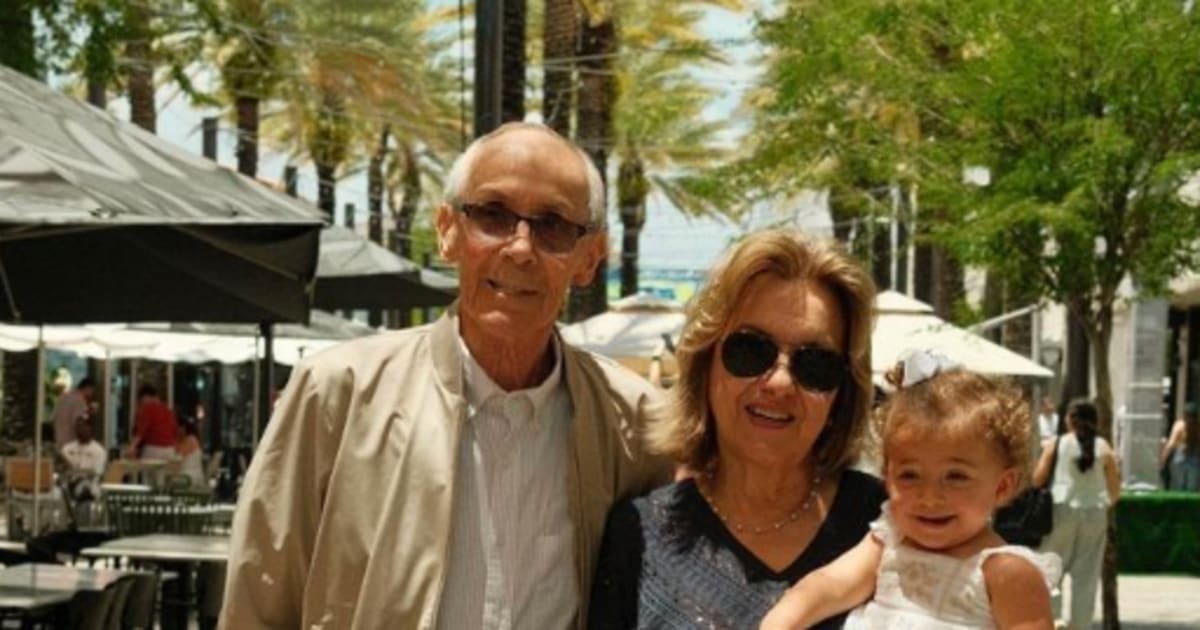
Hernando Salcedo went from bedridden during traditional chemotherapy to dancing at his nephew's wedding in Colombia, thanks to a clinical trial that delivers cancer treatment directly to tumors. One year after his Stage III pancreatic cancer diagnosis, his disease remains stable and he's back to his morning walks.
When Hernando Salcedo's stomach started swelling last May, the healthy 83-year-old grandfather never imagined it would lead to a Stage III pancreatic cancer diagnosis. Most patients with his diagnosis survive just months, with a five-year survival rate of only 15%.
Salcedo began traditional chemotherapy at Miami Cancer Institute in July, but the side effects were brutal. The man who walked 2 to 3 miles every morning could barely leave his bed. He couldn't eat, lost weight rapidly, and his son Mauricio watched his father deteriorate before his eyes.
Then Salcedo's medical team presented his case to an expert panel, which determined he qualified for a clinical trial testing a new way to deliver chemotherapy. The RenovoCath system uses a catheter with two balloons to deliver treatment directly to the tumor while isolating its blood flow, keeping the drugs localized instead of spreading throughout the entire body.
The difference between traditional IV chemotherapy and pancreatic tissue makes standard treatment less effective. "Pancreatic cancer has dense tissue, and there's not a lot of blood supply to it," explained Dr. Ripal Gandhi, Salcedo's oncologist. Much of the chemotherapy never reaches the actual tumor.
When doctors offered Salcedo the trial, he didn't hesitate. His son called it "the easiest decision" of the cancer journey.
After completing standard chemotherapy and radiation to ensure his cancer hadn't progressed, Salcedo was randomized into the group receiving the catheter treatment. He underwent sessions every other week for four months.
The transformation was immediate. Salcedo "felt fine the next day" after each treatment. "I didn't feel nausea. I didn't feel pain. I didn't feel nothing. This treatment fixed my life."
Clinical trial data showed patients receiving the catheter method experienced 65% fewer side effects and survived six months longer than those on traditional chemotherapy. One of Gandhi's patients survived four years after diagnosis, something he called "really unheard of in this disease."
Why This Inspires
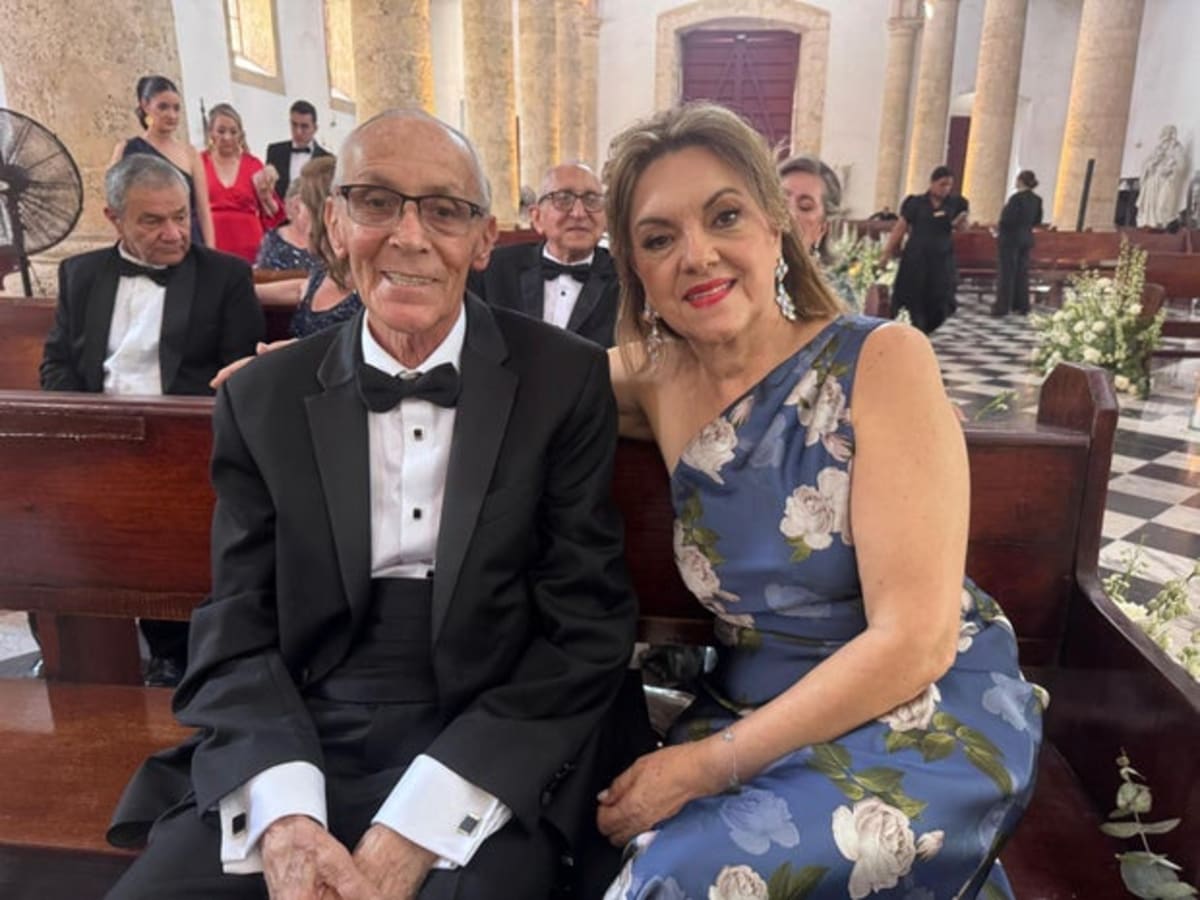
One year after his diagnosis, Salcedo has already beaten the odds. His cancer has been stable since mid-April and hasn't spread to other organs. That extra time and renewed quality of life let him travel to Colombia for his nephew's wedding, where he danced all night and "felt perfect."
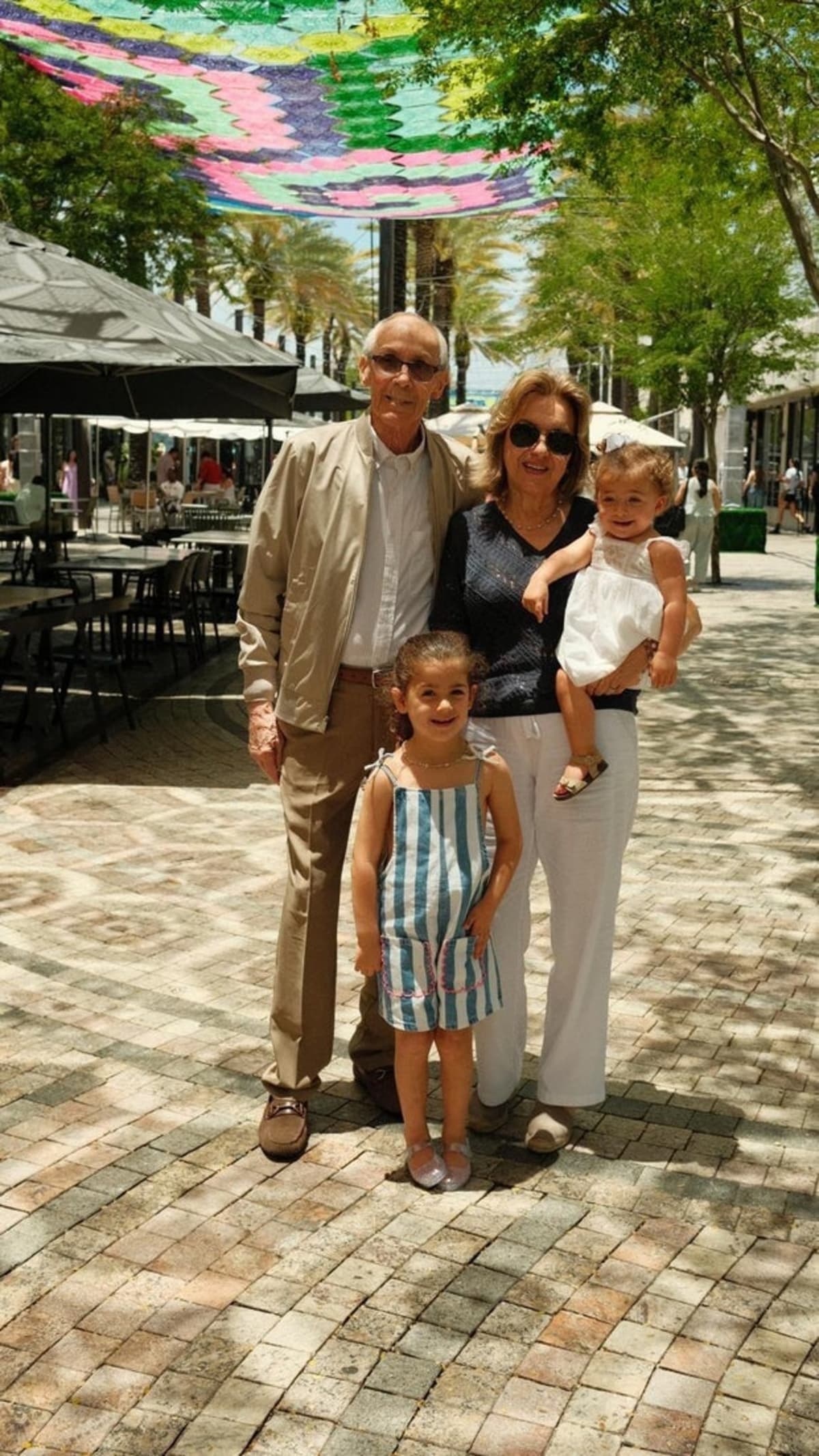
Mauricio knows his 83-year-old father still faces a tough prognosis, but these extra months have been precious. Salcedo has resumed his regular walks and is planning more travel. "We know he's gaining weight, his energy levels are back, his mind's correct, and he's thinking about the future," Mauricio said.
The FDA has cleared the device, and final trial data is expected in late 2027, potentially offering hope to thousands facing similar diagnoses.
More Images
Based on reporting by Google News - Health
This story was written by BrightWire based on verified news reports.
Spread the positivity!
Share this good news with someone who needs it