85 Million People Test New Climate-Proof City Model
China's Greater Bay Area is bringing together 60 experts to design nature-based solutions that protect mega-cities from climate disasters. After Super Typhoon Ragasa caused $386 million in damage, the region is proving cities and nature can grow together.
When Super Typhoon Ragasa tore through southern China's Greater Bay Area last year, it left billions in damage and a wake-up call for 85 million people. Now, this massive region is becoming a testing ground for how mega-cities can work with nature instead of against it.
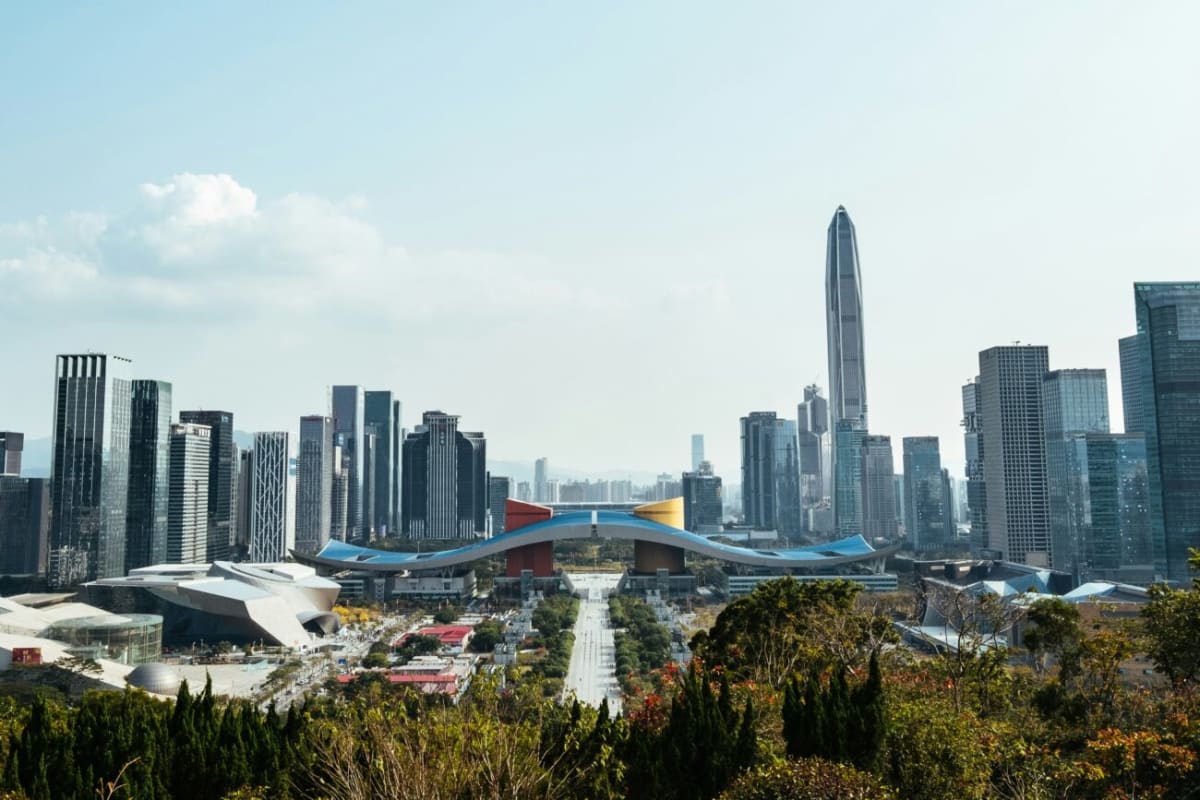
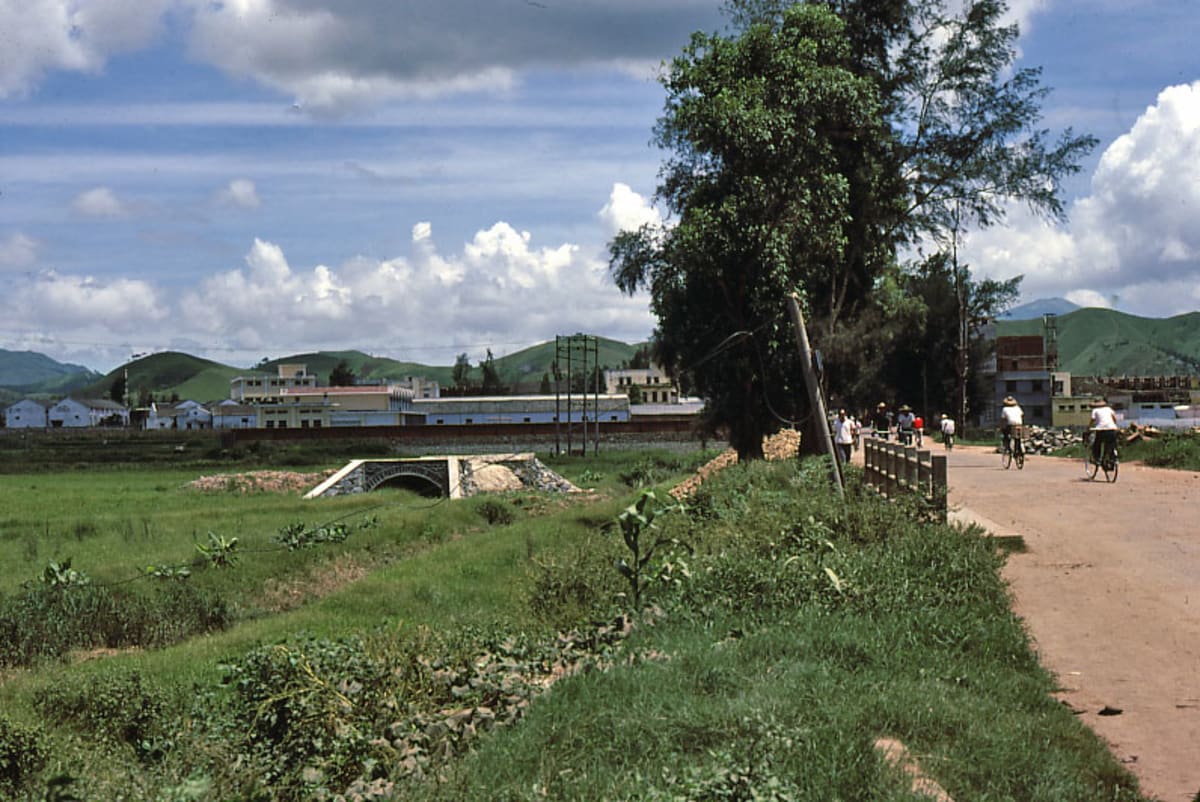
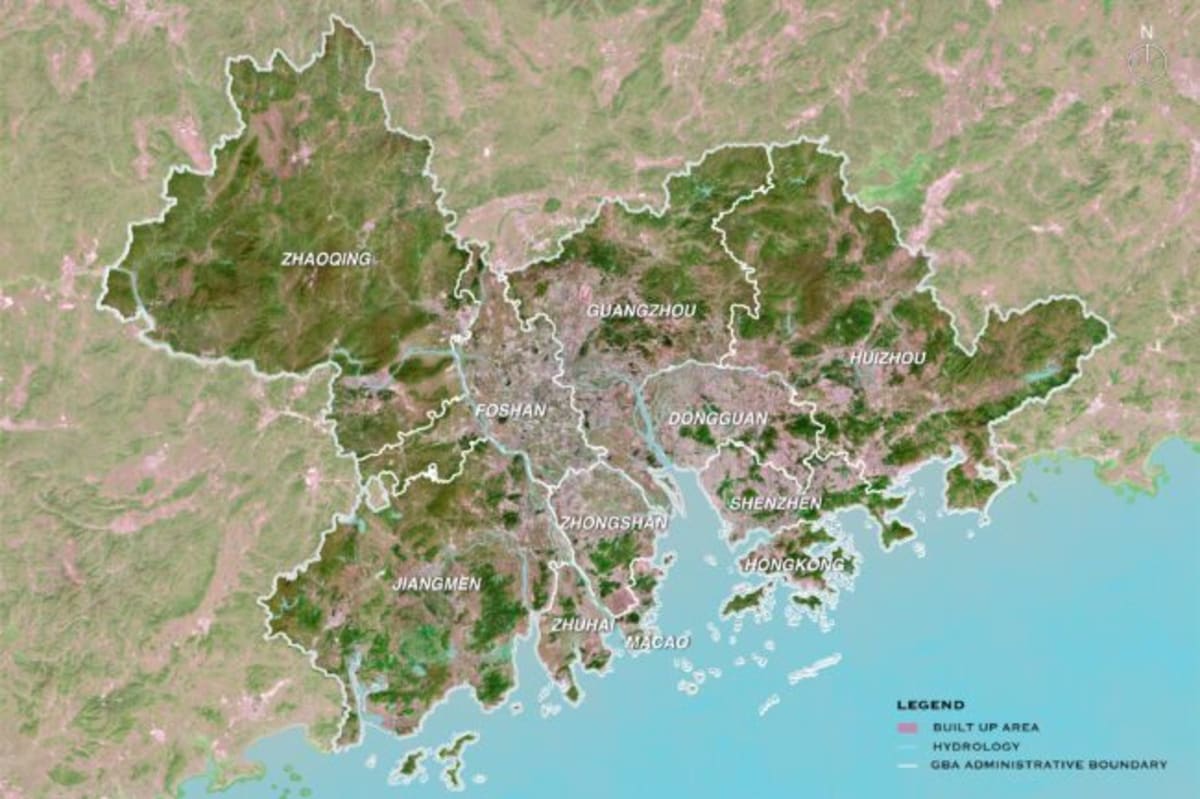
The Greater Bay Area spans 11 cities across southern China, including economic powerhouse Shenzhen. In just four decades, Shenzhen transformed from a small fishing village into a gleaming metropolis of skyscrapers. The entire region now produces $2.1 trillion annually, making it bigger than most national economies.
But that rapid growth came at a cost. Ancient oyster farms that once lined the shores disappeared as factories and buildings took over. Water quality dropped, and natural storm barriers vanished just as climate change began supercharging tropical cyclones.
The Nature Conservancy and Columbia Climate School decided to try something different. They brought together 60 experts from finance, government, design, and conservation to reimagine how cities can grow while protecting the ecosystems that keep them safe.
The solutions emerging from their workshops blend cutting-edge innovation with ancient wisdom. China's constitutional principle of "ecological civilization" guides the work, calling for harmony between people and nature rather than dominance over it. The concept draws from philosophical traditions thousands of years old.
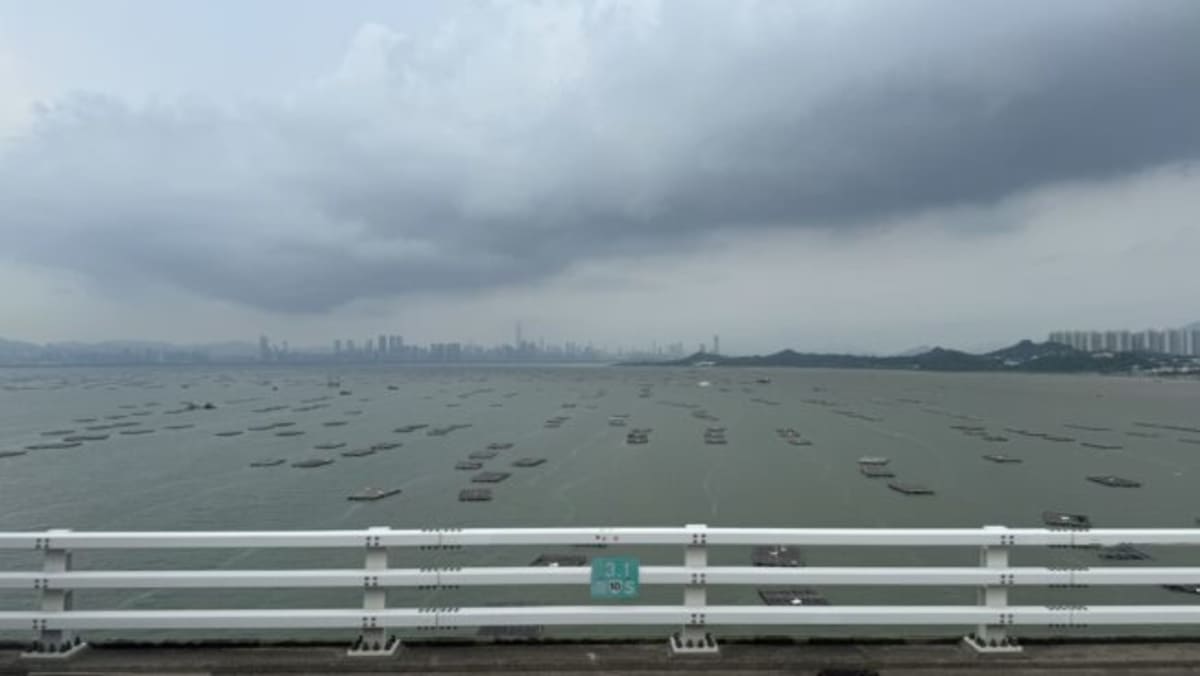
On a field tour across Shenzhen Deep Bay, the possibilities became visible. On one side sat towering skyscrapers. On the other, lush green landscapes earmarked for careful development. In between floated oyster rafts, descendants of aquaculture practices dating back millennia, now recognized as vital storm barriers and water filters.
The Ripple Effect: What happens in the Greater Bay Area matters far beyond China's borders. Over half the world's population now lives in cities, and that number keeps climbing. Finding ways to make mega-cities climate resilient while preserving nature could become a blueprint for urban areas everywhere.
The workshop teams designed practical solutions addressing real challenges. Some focused on restoring natural shorelines and wetlands. Others tackled the policy and funding mechanisms needed to make nature-based infrastructure projects happen at scale.
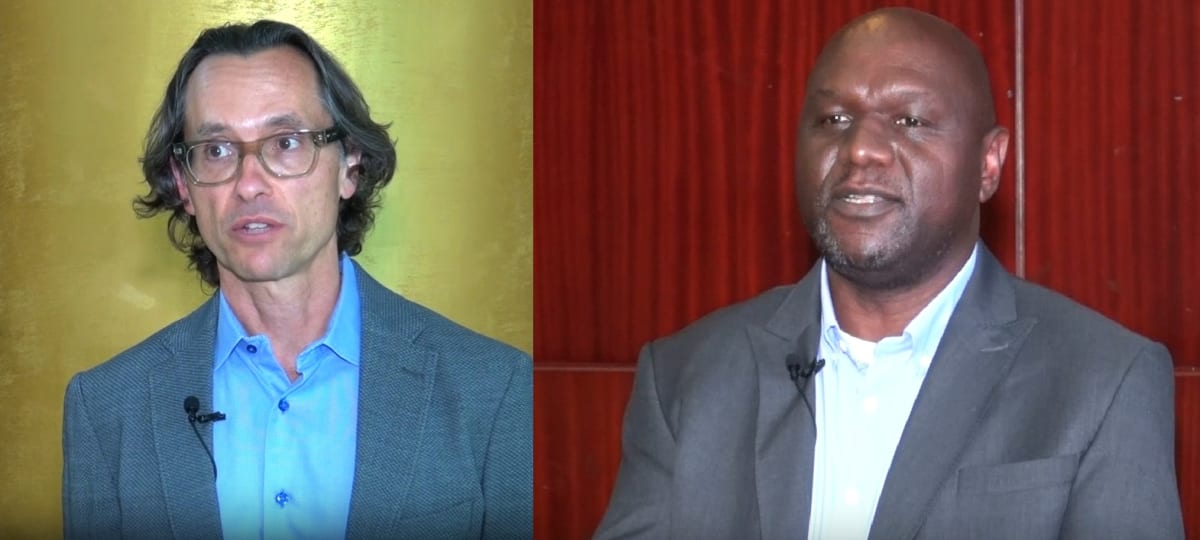
Henk Ovink, executive director of the Global Commission on the Economics of Water, captured the collaborative spirit driving the work. "The shared economic, climate, and environmental challenges facing the Greater Bay Area cannot be solved within borders," he explained. "This systemic, holistic and collaborative approach is how to get the world back on track."
The path forward requires coordination across political boundaries that normally separate Hong Kong, Macau, and mainland China. Environmental threats like typhoons and rising seas ignore those human-drawn lines. The partnerships forming now show that protection efforts must do the same.
For the 85 million people calling the Greater Bay Area home, these nature-based solutions represent more than environmental protection—they're investing in a future where cities thrive alongside the ecosystems that sustain them.
More Images

Based on reporting by Google News - Economic Growth
This story was written by BrightWire based on verified news reports.
Spread the positivity!
Share this good news with someone who needs it