9 Animal Moms Who Show Motherhood Looks Different for All
From crocodiles listening to eggs to whales helping deliver babies, the animal kingdom proves motherhood comes in countless amazing forms. These nine species show that protecting the next generation takes creativity, cooperation, and sometimes very unusual strategies.
Mother's Day celebrations focus on humans, but some of the most fascinating moms on Earth have scales, fins, and fur instead of greeting cards.
Scientists studying motherhood across species have discovered behaviors ranging from tender to downright bizarre. The one constant: mothers finding ways to give their offspring the best shot at survival.
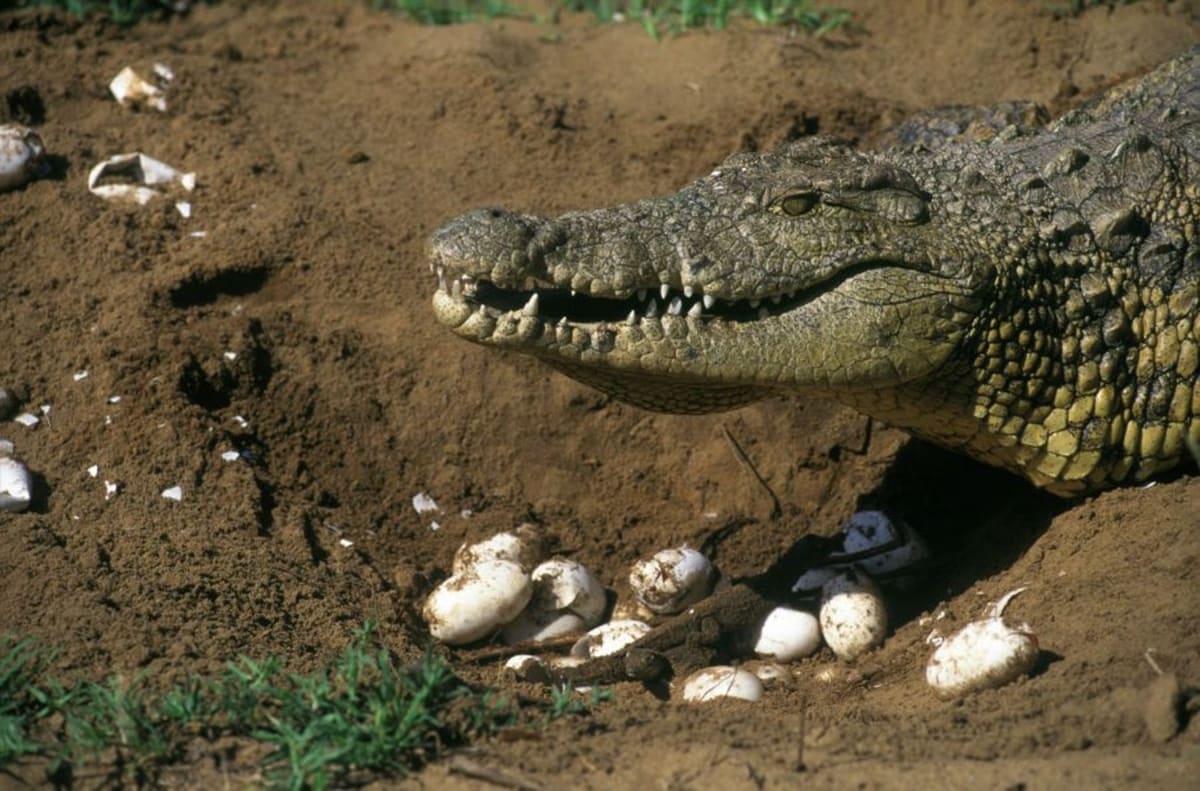
Crocodile mothers listen carefully to their eggs, waiting for laser-like calls from babies ready to hatch. When they hear those sounds, they dig out the nest to help their young emerge into the world.
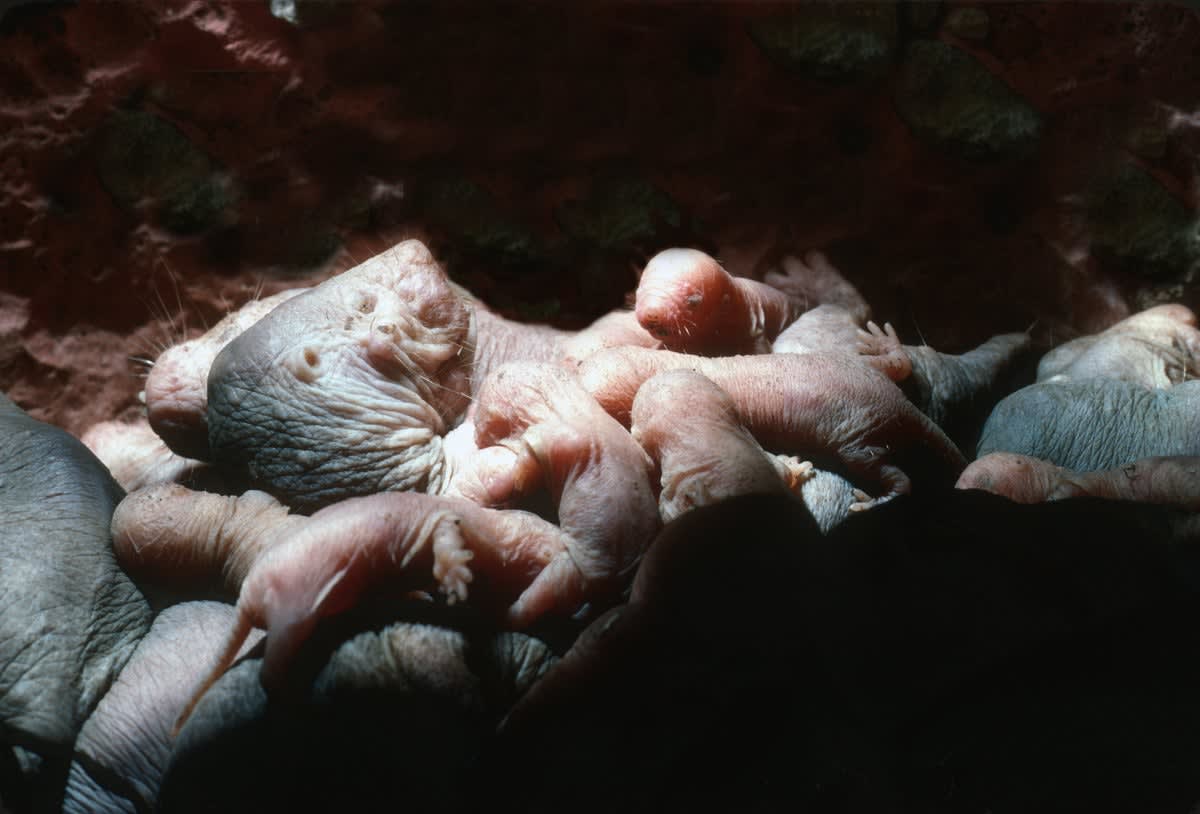
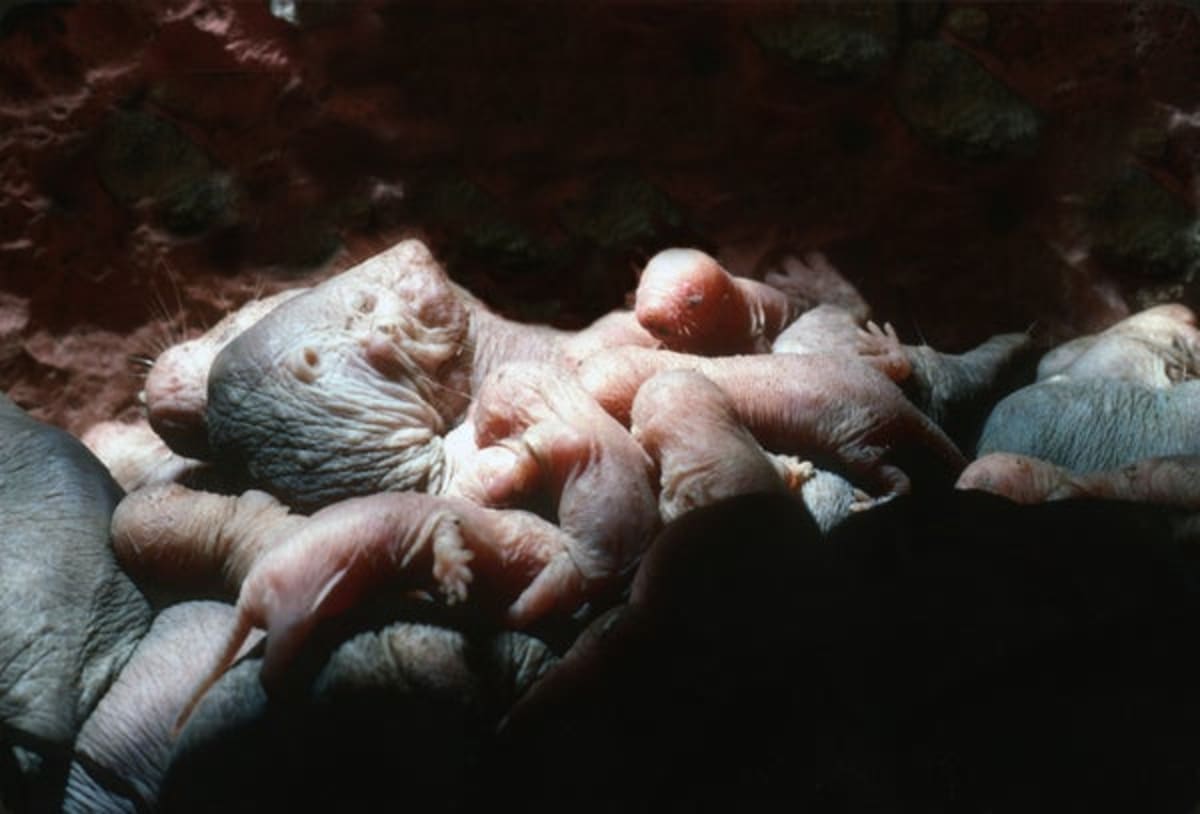
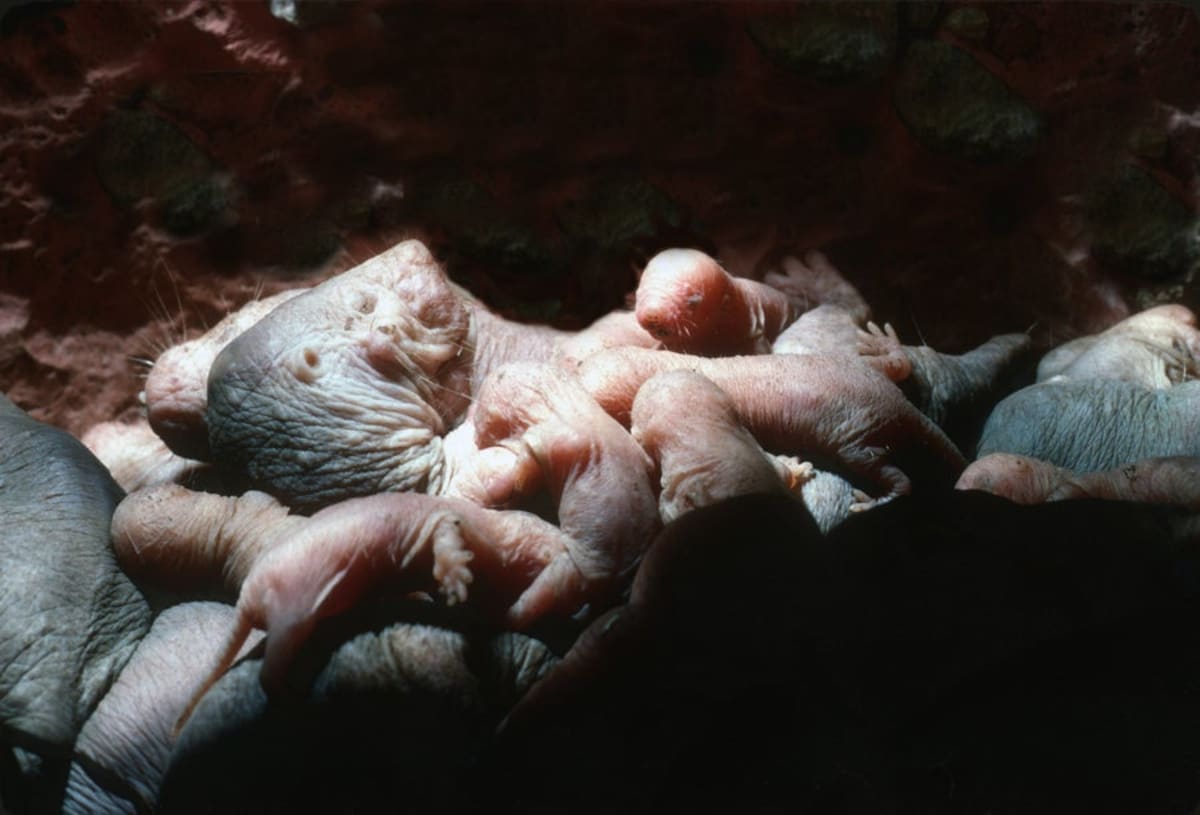
Naked mole rat queens take motherhood to extremes, producing several litters per year with more than two dozen babies at a time. When a queen dies, the remaining females battle for the crown in underground fights that determine the colony's next matriarch.
Some mothers get creative with preparation. Female side-blotched lizards deposit a hormone called estradiol into their eggs that influences whether babies have bars or stripes, giving them camouflage suited to different environments. It's like dressing your kids for success before they're even born.
Chimpanzee mothers step in to defend their children during quarrels over food or tree space about half the time, researchers observed in a 2024 study. Their close relatives, bonobos, rarely intervene, proving that parenting styles vary even among similar species.
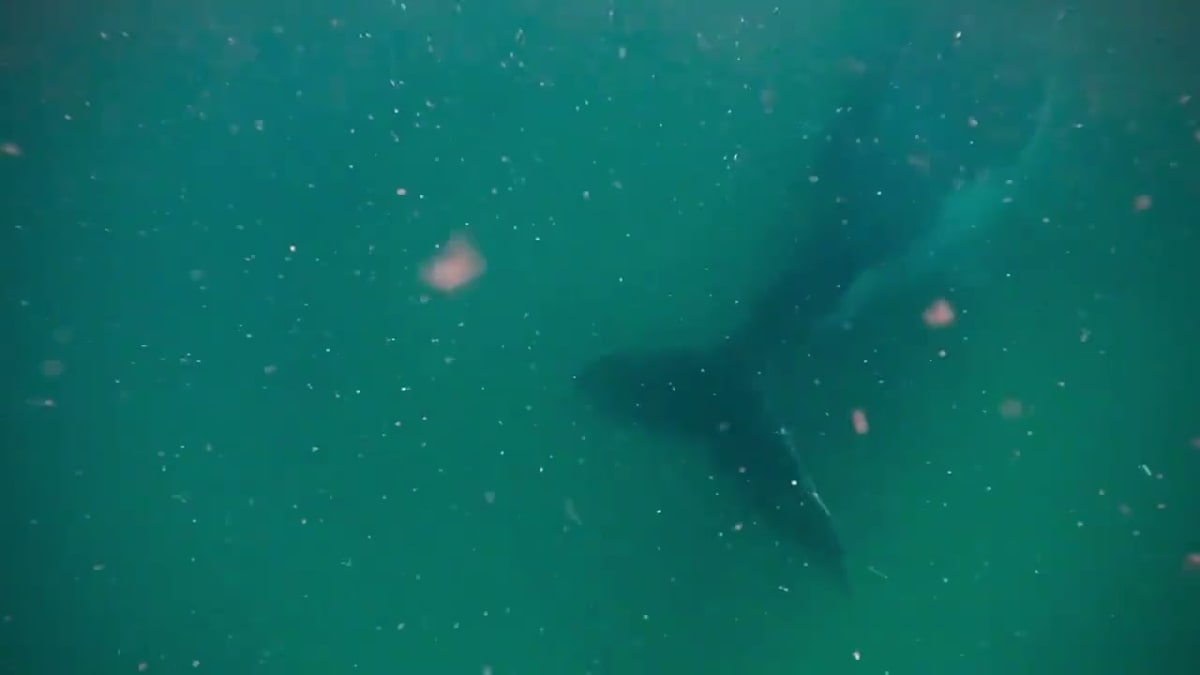
Whales show cooperation that rivals human birth support. In 2023, biologists filming a sperm whale birth near Dominica noticed unrelated whales helping hold the newborn calf at the surface, possibly making it easier for the baby to breathe. Scientists had never documented this helping behavior in such detail before.
Giraffes may experience grief when they lose young ones. After a giraffe calf died in 2010, its mother and more than a dozen female giraffes gathered around the body in what researchers called a protective response, suggesting these towering animals feel emotional loss.
Not all mothers stick around. Cuckoo birds leave their eggs in other birds' nests, outsourcing parenting entirely to unsuspecting foster mothers. Tennessee winnow ants take deception further, killing rival queen ants and chemically impersonating them to raise their own offspring in stolen colonies.
Why This Inspires
These diverse mothering strategies reveal something profound about nature's creativity. There's no single right way to protect the next generation, whether you're a whale midwife, a lizard planning ahead, or a crocodile with excellent hearing.
Alpine salamanders gestate for up to four years while opossums need only two weeks, yet both species survive. The animal kingdom proves that motherhood adapts to countless environments and challenges, finding solutions that work for each unique situation.
What unites these wildly different mothers is commitment to continuation. Whether through cooperation, sacrifice, clever planning, or pure determination, animal mothers ensure their species carry forward into tomorrow.
More Images

Based on reporting by Scientific American
This story was written by BrightWire based on verified news reports.
Spread the positivity!
Share this good news with someone who needs it