90 Nagaland Farmers Revive Traditional Millet Farming
Indigenous communities in Northeast India have preserved millet farming traditions for centuries, long before the grains became recognized as climate-smart superfoods. A new study documents how 90 farmers across Nagaland and surrounding regions maintain over 20 millet varieties through festivals, traditional agriculture, and ancestral knowledge.
When the millet harvest arrives in Yimkhiung villages of eastern Nagaland, families gather for Metümnyo, a post-harvest festival where the hardy grain becomes traditional beverages, thanksgiving offerings, and community prayers. For generations, these Indigenous farmers have known what scientists are only now confirming: millets are the perfect crop for uncertain times.
A 2026 study published in Frontiers reveals how Northeast Indian communities cultivated resilient food systems around millets long before India declared them a national priority. The research documents over 20 millet species still grown across the region, each variety carefully preserved through traditional farming practices passed down for centuries.
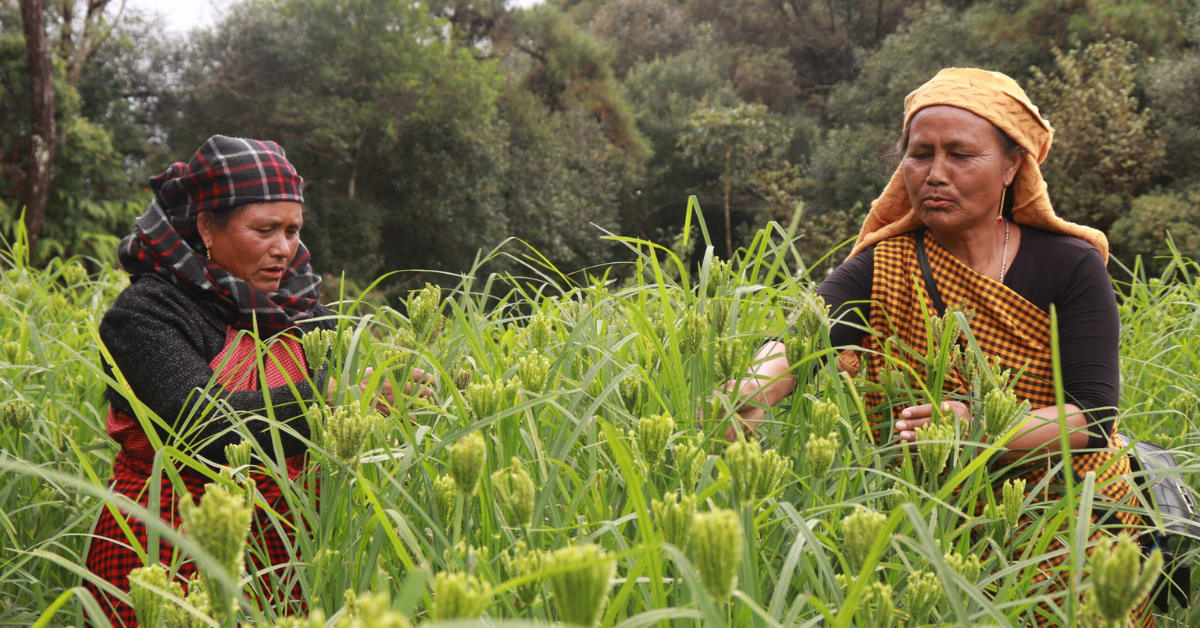
The numbers tell a story of quiet persistence. Ninety farmers across Nagaland, Arunachal Pradesh, Meghalaya, Mizoram, Sikkim, and Assam continue cultivating finger millet, foxtail millet, Job's tears, and sorghum using methods their ancestors developed. Unlike water-hungry rice, these grains thrive on steep slopes with little irrigation, tolerate poor soils, and store for months without spoiling.
In the mountains, this resilience matters. Unpredictable monsoons, scattered villages, and acidic soils make farming challenging, but millets have answered those challenges for generations.
The Nyishi, Adi, and Apatani communities of Arunachal Pradesh prepare finger millet as porridges and festival beverages. The Khasi and Garo people of Meghalaya grow millet in upland fields for everyday meals and traditional brews. Even in rice-dominated Assam, the Karbi, Mising, and Bodo communities preserve millet cultivation for ceremonial foods.
These farmers never treated millets as just another crop. The grains fed families during lean seasons, nourished livestock, and brought communities together during celebrations. Farmers planted multiple varieties alongside pulses and vegetables, creating diverse systems that strengthened both biodiversity and food security.
The Ripple Effect
What started as survival wisdom in remote hill villages now offers solutions for modern agriculture. The traditional jhum cultivation system these communities perfected demonstrates how mixed cropping with millets can build climate-resilient farms without heavy irrigation or chemical inputs.
Village elders like the thekhiungpu still lead harvest ceremonies, ensuring younger generations understand not just how to grow millets, but why they matter. These living traditions preserve seed varieties that might otherwise vanish, maintain agricultural biodiversity, and prove that Indigenous knowledge holds answers to contemporary challenges.
While India's current millet movement celebrates revival, Northeast communities never stopped growing these grains. Their fields, festivals, and family recipes kept the tradition alive through changing times.
Today, as climate change threatens food security worldwide, the farming wisdom carefully tended in Nagaland's hills offers a roadmap forward built on centuries of proven success.
More Images
%2Fenglish-betterindia%2Fmedia%2Fmedia_files%2F2026%2F07%2F10%2Fnorth-east-millets-2026-07-10-20-47-10.png)
%2Ffilters%3Aformat(webp)%2Fenglish-betterindia%2Fmedia%2Fmedia_files%2F2026%2F07%2F10%2Fnorth-east-millets-1-2026-07-10-20-48-19.png)
%2Ffilters%3Aformat(webp)%2Fenglish-betterindia%2Fmedia%2Fmedia_files%2F2026%2F07%2F10%2Fnorth-east-millets-3-2026-07-10-20-52-22.png)
Based on reporting by The Better India
This story was written by BrightWire based on verified news reports.
Spread the positivity!
Share this good news with someone who needs it