
90% of Mozambique Grads Find Work Despite Job Shortage
New research tracking thousands of young Mozambicans shows that persistence pays off in a tough job market. Despite limited formal opportunities, nine out of ten university graduates eventually find employment, significantly outperforming their peers.
When Maria graduated from university in Mozambique in 2019, she joined half a million young people entering a job market with few formal positions available. Five years later, researchers have good news about graduates like her.
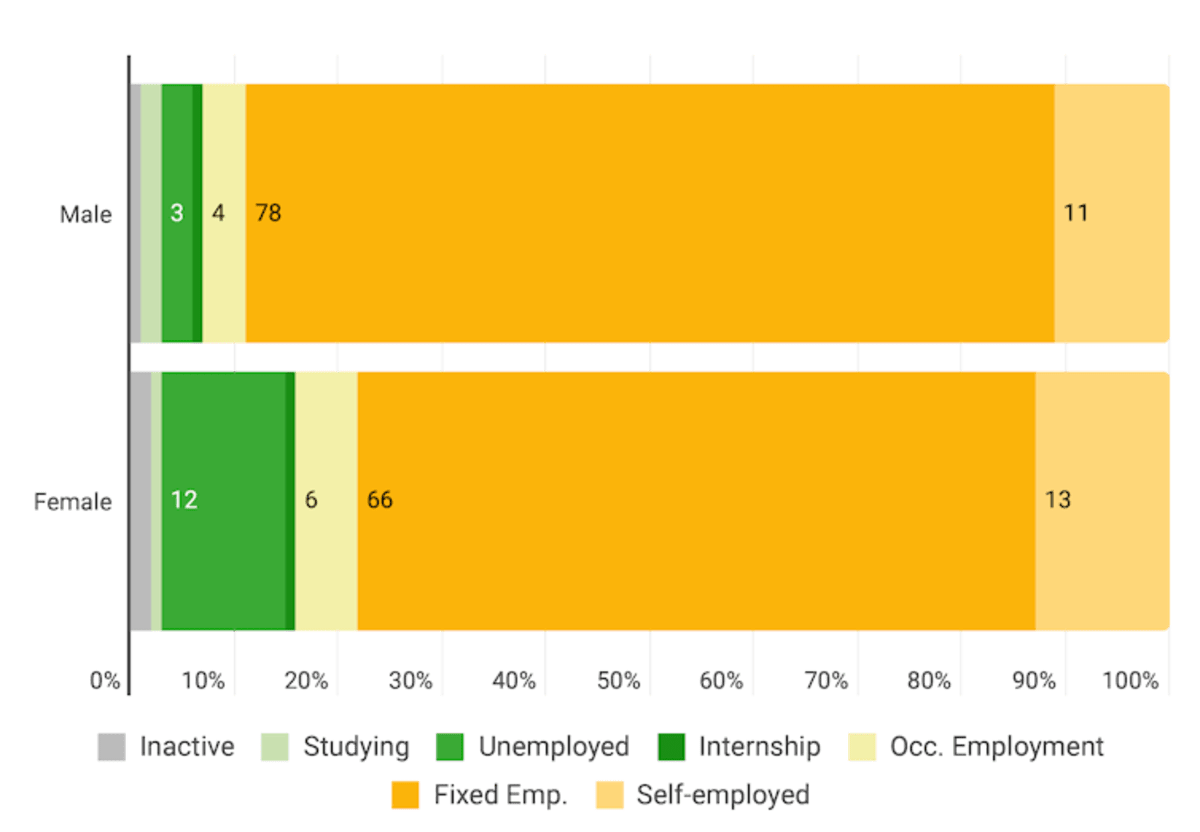
A groundbreaking study from UNU-WIDER tracked thousands of university and technical college graduates from 2019 to 2024, revealing that most eventually succeed despite challenging odds. Nearly 90% of university graduates found work within five years, with unemployment rates of just 7% compared to 19% among non-graduates.
The journey wasn't quick or easy. Only half found jobs in their first year, with most taking three to four years to land stable positions. But their persistence paid off in ways that set them apart from peers without higher education.
The path varied dramatically by field of study. Health graduates saw employment rates soar to 95%, while engineering graduates topped 90%. These specialized fields offered faster transitions and better job security than general programs.
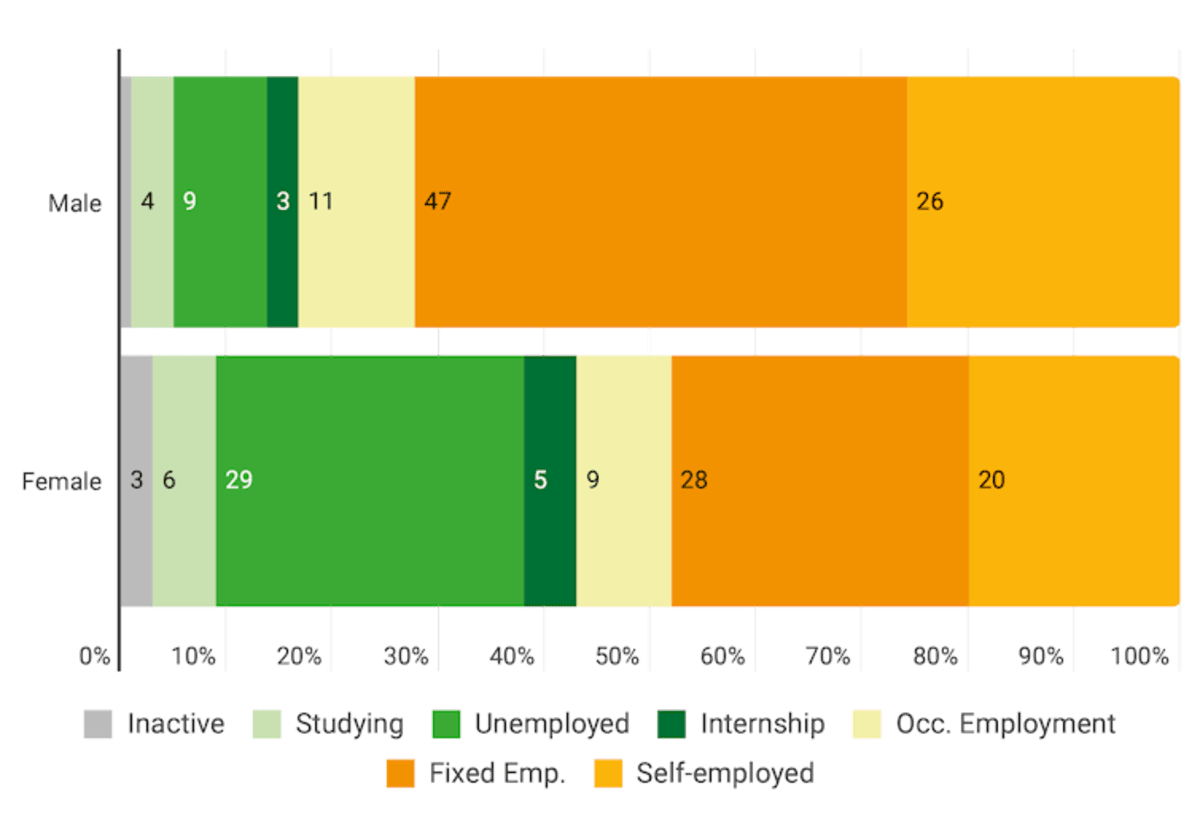
Technical and vocational (TVET) graduates faced steeper challenges but still outperformed expectations. Starting at 42% employment, they climbed to nearly 80% after four years, proving that multiple pathways to success exist even in constrained economies.
The Bright Side
What makes this story remarkable is the context. Mozambique's economy hasn't grown fast enough to create abundant formal jobs, especially for its educated youth. The fact that graduates still find pathways forward demonstrates extraordinary resilience and adaptability.
These young people aren't just waiting for perfect jobs to materialize. They're creating opportunities, pivoting to new fields, and building careers in an economy that's still developing. About 18,000 university students and 16,000 TVET students graduate annually, representing just 2.5% of their age group.
The research team from Inclusive Growth in Mozambique spent seven years building this comprehensive picture of youth employment. Their work provides crucial evidence that education still matters, even when job markets are tight, and that patience and flexibility are essential ingredients for success.
The findings also spotlight which educational pathways deliver the strongest outcomes. Fields with clear career connections like healthcare and engineering create faster transitions to stable work, offering valuable guidance for students making educational choices today.
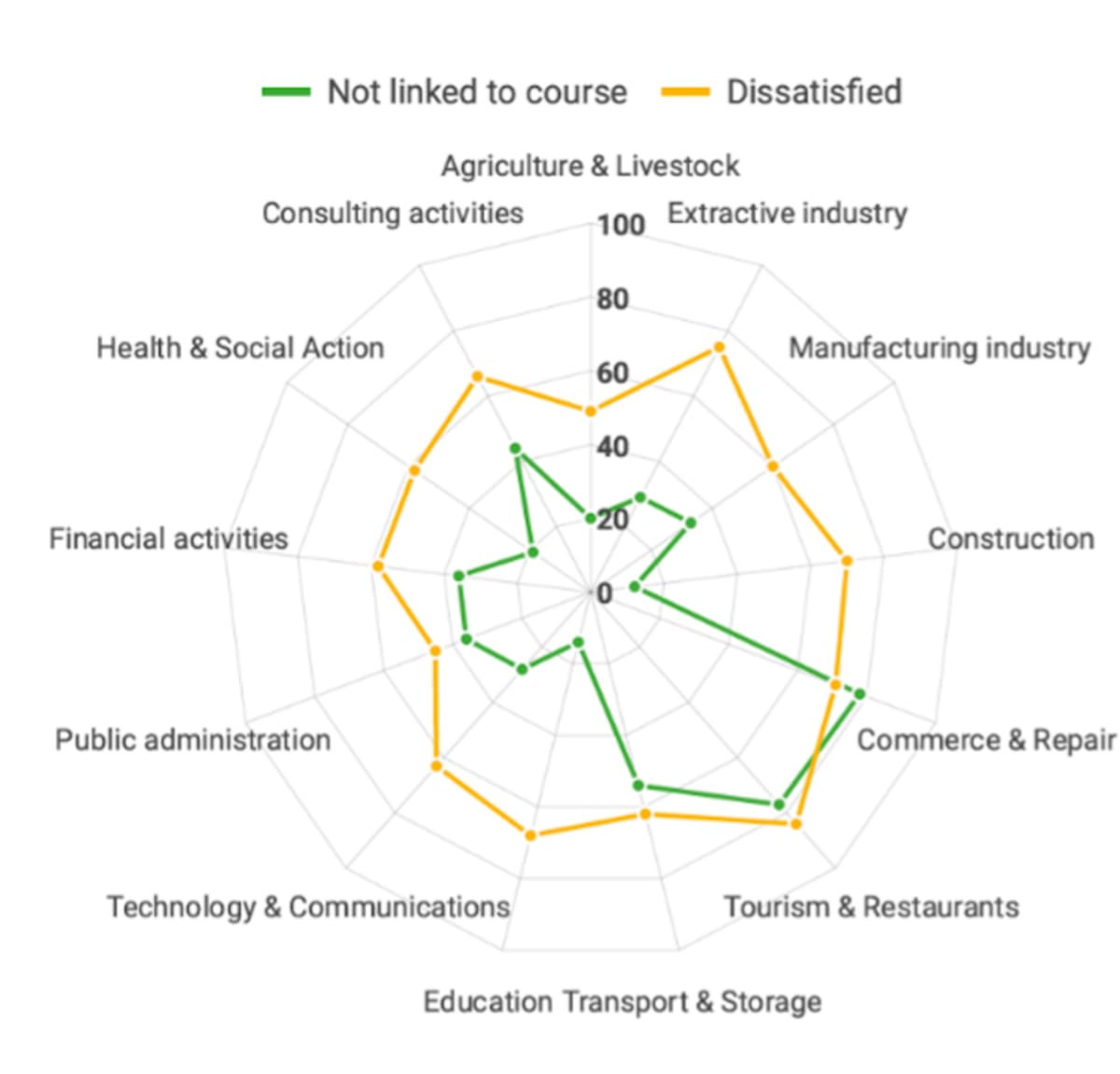
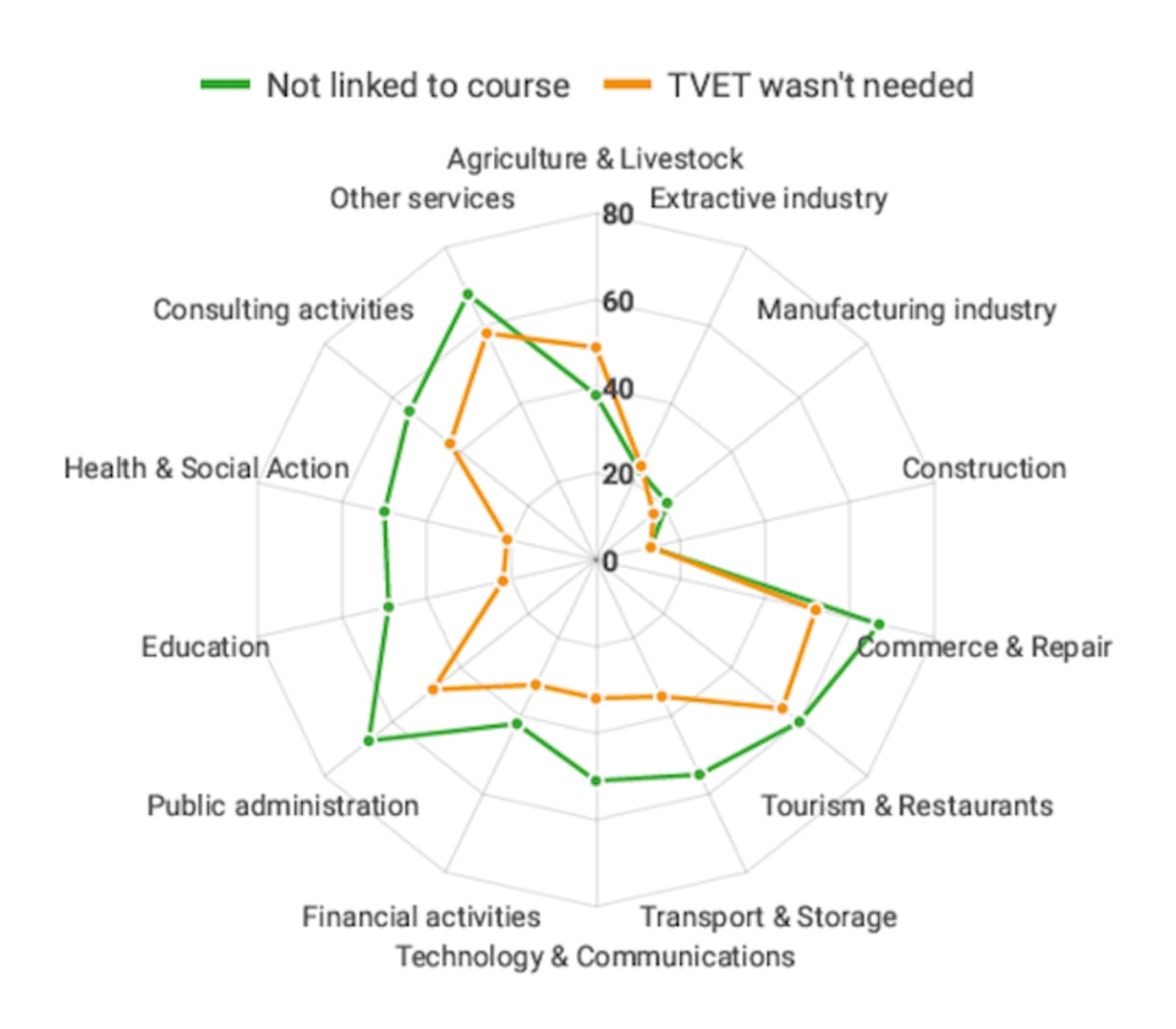
While challenges remain, including skills mismatches and job dissatisfaction, the core message is one of cautious optimism: education opens doors, and young people are walking through them.
More Images
Based on reporting by Google News - Jobs Created
This story was written by BrightWire based on verified news reports.
Spread the positivity!
Share this good news with someone who needs it