9,500-Acre Wildlife Estate Gets Year-Round Sound Monitoring
Scientists are using cutting-edge tech to listen to wildlife across a massive English estate before beginning one of the country's biggest nature recovery projects. The year-round acoustic survey will track everything from bats to insects, creating a rare baseline before restoration begins.
Twenty acoustic sensors are now listening to 9,500 acres of wild Northumberland countryside, capturing the sounds of nature in a way that's never been done before at this scale.
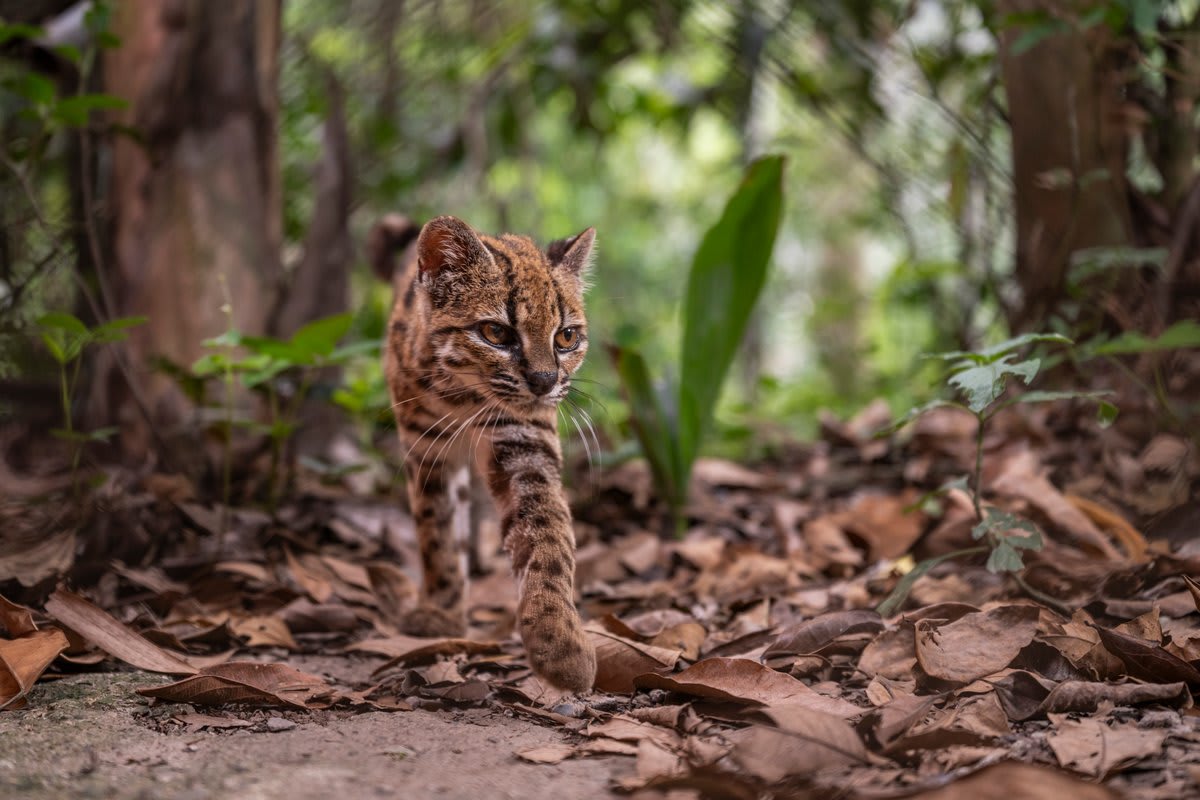
The Rothbury Estate in northern England is home to endangered birds like cuckoos and curlews, rare red squirrels, and eight of the county's nine bat species. Now, researchers from Oxford University are working with local volunteers to monitor these animals around the clock using machine learning technology that can identify individual species from their sounds.
What makes this project special is its timing. Most wildlife surveys only happen in spring and summer when animals are most active. This one will run year-round, capturing seasonal changes and building a complete picture of the estate's biodiversity before any habitat restoration work begins.
That baseline matters because The Wildlife Trusts plans to transform this historic landscape into the heart of a 40-mile nature corridor stretching across northern England, from coast to forest. Having detailed "before" data will show exactly how the restoration helps wildlife recover over time.
The research goes beyond just listening. Teams from Newcastle University, St Andrews, and Durham University are combining soil DNA samples with special dating techniques to discover what plants grew here over the past 2,000 years. This peek into the past will guide how they restore the land for the future.
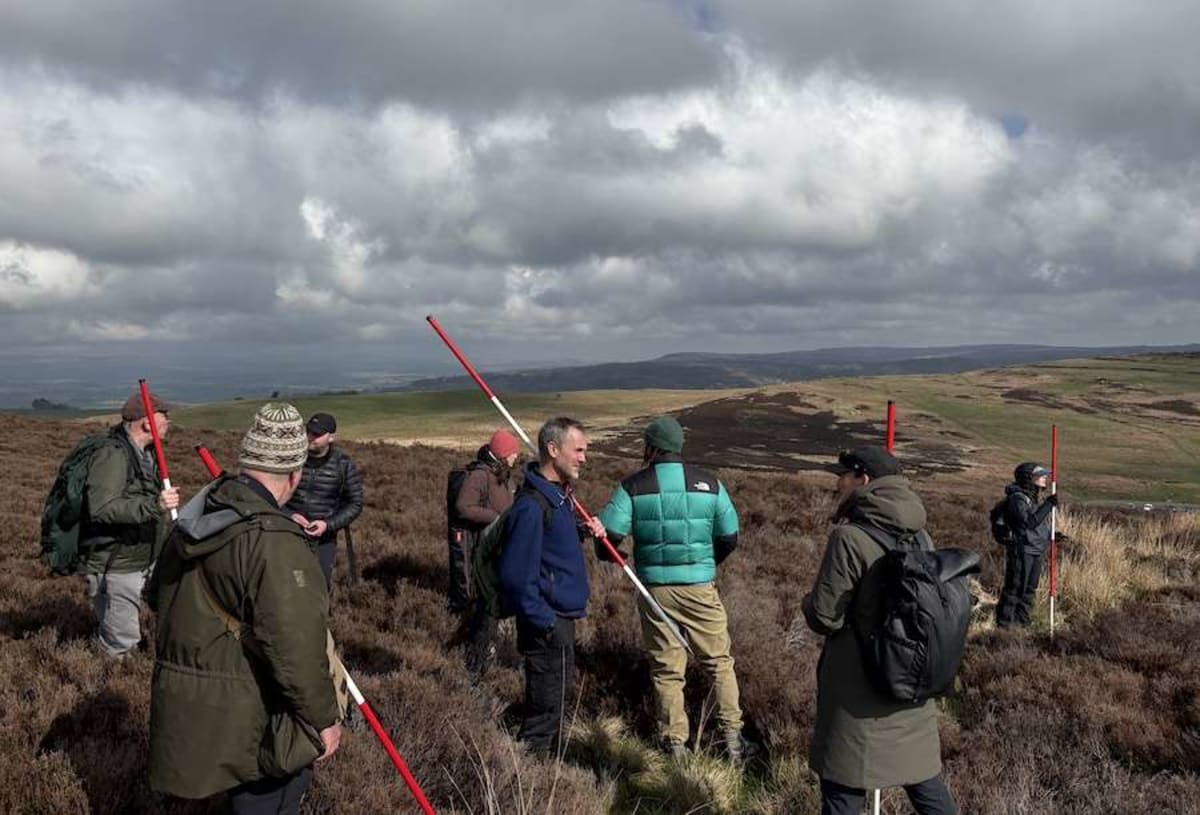
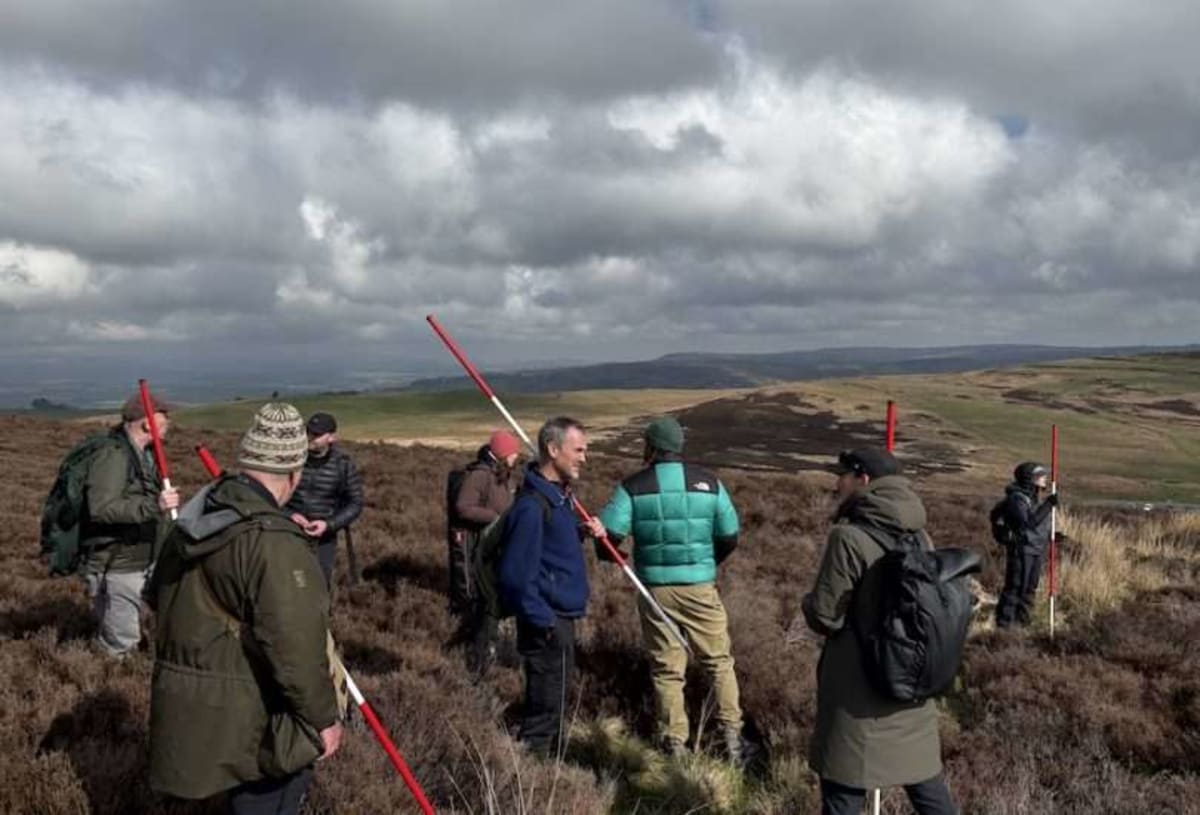
Local bat experts, bird watchers, and archaeology groups joined university researchers for three days of sensor installation and soil sampling. Music artist and zoologist Louis VI even plans to create a musical piece using the wildlife recordings.
The estate already hosts remarkable biodiversity alongside thousands of years of human history, from Bronze Age burial mounds to medieval field systems. Rare plants like frog orchid and dwarf cornel thrive here, and the landscape tells stories of how people and nature have shaped each other over millennia.
The Ripple Effect
This massive monitoring effort does more than just count species. It creates a new model for how large-scale nature recovery should work: measure carefully before you act, involve local communities from day one, and use cutting-edge science to track real progress over time.
Dr. Ella Browning from Oxford's Leverhulme Centre for Nature Recovery says the detailed soundscapes will let many people enjoy Northumberland's wildlife, even from afar. That accessibility turns a local project into inspiration for nature recovery everywhere.
The Wildlife Trusts have five months left to raise the final portion of £30 million needed to secure the entire estate, but the scientific work is already showing what's possible when communities, universities, and conservation groups join forces for nature.
The sensors are listening, the soil is sharing its secrets, and one of England's most ambitious nature recoveries is being built on a foundation of solid science and community care.
More Images


Based on reporting by Google News - Wildlife Recovery
This story was written by BrightWire based on verified news reports.
Spread the positivity!
Share this good news with someone who needs it