New Cat Species Discovered in Bolivia After 100 Years
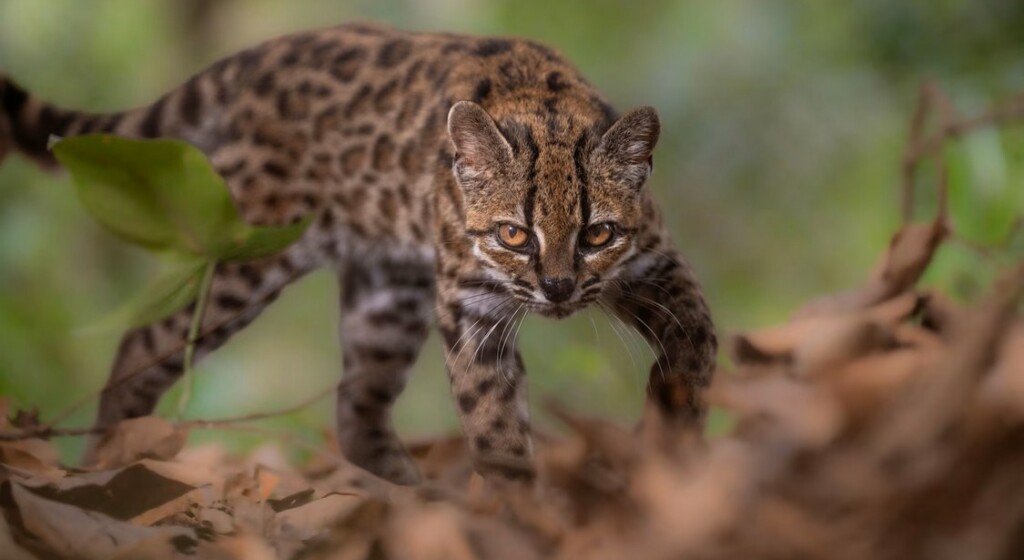
A Bolivian biologist discovered the first new cat species in over a century after a local brought a "weird cat" to a wildlife sanctuary. The tilcayo, smaller than a housecat, had been hiding in plain sight in Bolivia's Yungas forests.
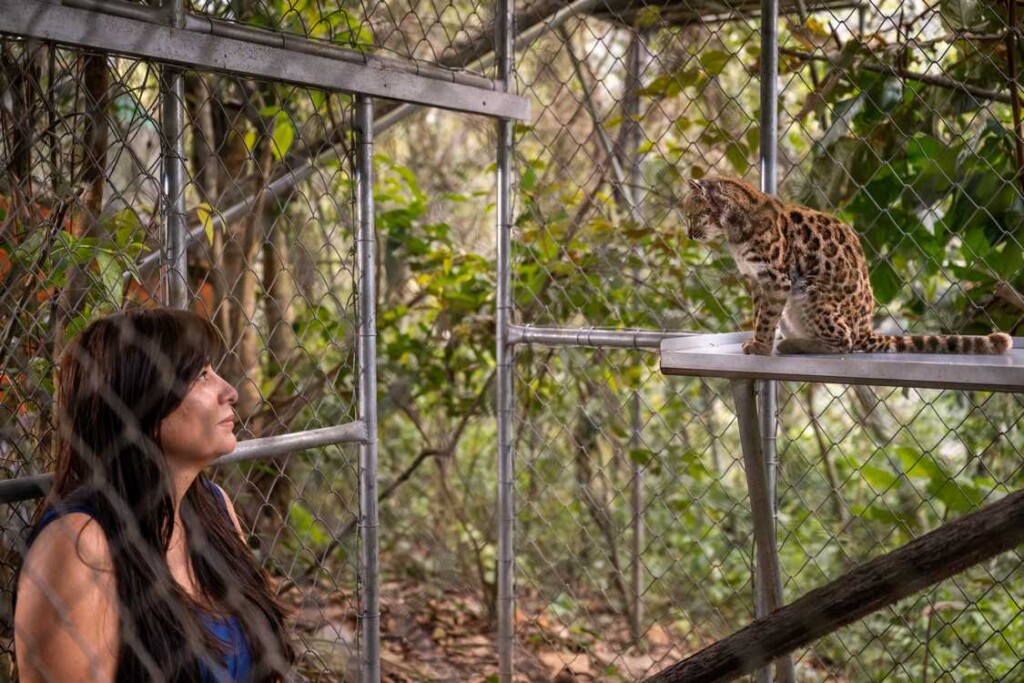
When a Bolivian man brought an unusual kitten to a wildlife sanctuary in 2016, he had no idea he was delivering science's next big discovery.
The tiny cat refused to behave like a pet, so the man did the right thing and took it to experts. That decision launched an eight-year journey that would rewrite our understanding of wild cats in South America.
Paola Nogales-Ascarrunz, a National Geographic Explorer and founder of the Bolivian Felids Research Program, knew something was different the moment she saw the animal. Its long whiskers, small ears, and unusual rosette patterns didn't quite match any known species.
At first, she thought it might be an oncilla, a small spotted cat found across South America. But three years later, while preparing a guide on Bolivia's cat species, the differences became impossible to ignore.
Nogales-Ascarrunz spent five years conducting genomic analysis with geneticist Eduardo Eizirik from Brazil. Their work revealed something remarkable: this wasn't just a new subspecies. It was an entirely new species that had diverged from its closest relative 1.4 million years ago, roughly the same time modern lions split from extinct cave lions.
Published in the journal Cell, the discovery marks the first new feline species identified since 1923. The researchers named it Leopardus tilcayo, honoring the indigenous communities who had their own word for the animal all along.
"We asked the local people, 'Why do you call it tilcayo?'" Nogales-Ascarrunz explained. "And they said, 'I don't know! My grandpa called it tilcayo, so I call it tilcayo.'"
Scientists know almost nothing about how the tilcayo lives. What it eats, how it reproduces, and whether it lives alone or in groups remain mysteries waiting to be solved. The species lives in the Yungas forest ecosystem on the eastern slopes of the Bolivian Andes, but that's where current knowledge ends.
Why This Inspires
This discovery proves that major breakthroughs still await curious minds willing to look closer. The tilcayo lived among local communities for generations, yet science had never documented it.
The research also transformed our understanding of the entire Leopardus genus. What was once thought to be a single tiger cat species in 1775 has now expanded to at least five distinct species. Eizirik, who has studied these cats for 25 years, watched the family tree redraw itself through genomic evidence.
"Our world is extremely complex," Nogales-Ascarrunz says. "Sometimes we think that most of it is known, that there's not a whole lot to discover, but in fact, it's the other way around."
New species discoveries usually involve deep-sea creatures, insects, or frogs hidden in remote forests. Finding a new mammal, especially a cat, seemed nearly impossible in the 21st century.
The tilcayo reminds us that explorer is still a valid career choice, and that wonder still waits in unexpected places.
More Images


Based on reporting by Good News Network
Play Today’s BrightWire Positive Mini Crossword & Word Game
Keep your mind sharp with our free 5-minute uplifting daily crossword and positivity word puzzle.
Share This Good News Story
Send a dose of constructive journalism to someone who needs it today.
More Good News